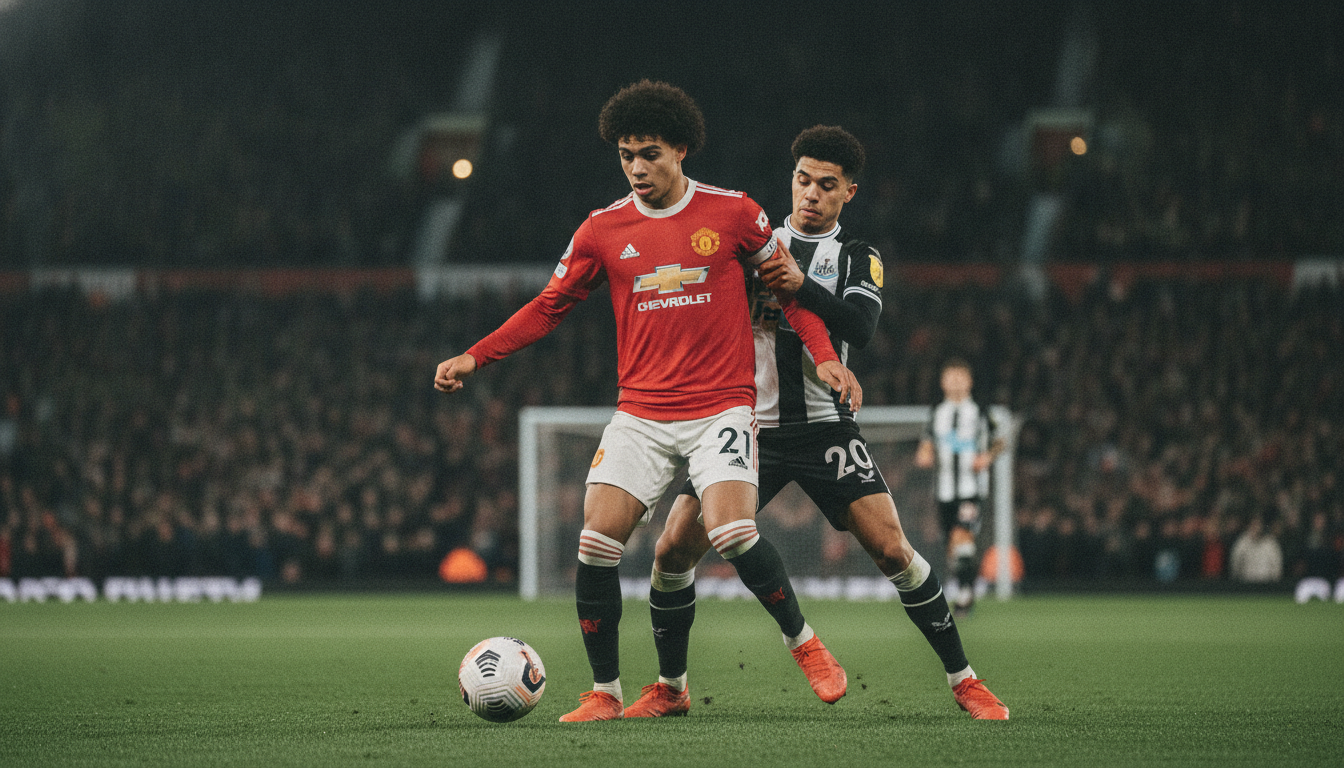
Man Utd weigh move for Lewis Hall as left-back competition intensifies
Manchester United are monitoring Lewis Hall amid uncertainty over their left-back depth, with the 21-year-old linked to Old Trafford as a potential long-term solution.


Man Utd intensify interest in Lewis Hall
Manchester United have emerged as suitors for Lewis Hall as they assess long-term options at left-back. The club is understood to be preparing for potential reinforcement despite established options in the squad.
Sources close to transfer discussions say United view Hall as a young, left-footed defender who could provide both immediate cover and future stability. Conversations internally have focused on how Hall’s profile fits the club’s playing style and succession planning at fullback.
United’s interest is being discussed against the backdrop of a wider summer recruitment plan that includes midfield and defensive targets. The left-back position has been singled out as an area where the club prefers to add competition rather than rely solely on existing personnel.
Playing time and role concerns at Newcastle
Lewis Hall’s recent spell at Newcastle United saw a mixture of starts and bench appearances, leading to questions about his long-term role at St James’ Park. The 21-year-old has been used in several positions across the left flank, which has limited his ability to establish consistency.
Recent matches at the end of the season left Hall frustrated with the minutes he received, according to people familiar with the situation. That reduced game time has fed speculation about his readiness to seek a new environment where a clearer path to regular starting appearances exists.
Newcastle retain Hall on a contract that extends for multiple seasons, and the club has signalled reluctance to sell a promising academy graduate. Any potential exit would therefore involve complex negotiations and a significant fee to reflect his potential and remaining contract length.
Tactical profile: why Hall appeals to United
Lewis Hall is a left-footed fullback noted for his composure on the ball and ability to progress play from deep areas. He fits the modern template for fullbacks who contribute to build-up phases and offer width in attacking transitions.
Defensively, Hall has shown solid positioning and recovery speed, while his technical skill allows him to switch play and carry the ball into midfield. Scouts highlight his adaptability to both overlapping and inverted fullback roles, which appeals to teams that require tactical flexibility.
Manchester United’s coaching staff are understood to value players who can play out from the back and sustain possession under pressure. Hall’s ball-playing attributes and young age make him an attractive long-term project for a club seeking to blend youth with established experience.
United’s current left-back options and squad context
At present United field Luke Shaw as their primary left-back, with academy graduates and fringe players providing backup. Shaw’s experience and recent run of appearances offer a reliable first-choice option, but fitness history and the physical demands of a full season have prompted the club to consider reinforcements.
Youngers in the squad have been deployed sporadically and are still regarded as being in developmental phases rather than ready to carry the position across a full campaign. The club’s recruitment logic appears to favour adding an experienced prospect who can push for a starting berth while still having resale value.
Signing Lewis Hall would create competitive depth and allow rotation in domestic and European fixtures. It would also offer United the option to phase in a younger alternative gradually without sacrificing short-term performance.
Transfer valuation, contract situation and negotiation dynamics
Newcastle value Lewis Hall as a promising asset, and his existing contract reduces the likelihood of a cut-price departure. Any transfer approach would require a fee that reflects his potential and his years remaining on contract, and clubs expect Newcastle to demand a premium for a player of his profile.
Financial terms and wage structure will be central to talks, particularly when balancing investment across United’s wider summer targets. Negotiations would need to reconcile Newcastle’s desire to retain developing talent with United’s willingness to invest in a player who could be an integral part of future plans.
Agents and intermediaries are likely to play a role in gauging Hall’s appetite for a move to Old Trafford and aligning personal terms. The player’s preference for regular football and career progression will weigh heavily in shaping any final decision.
Potential obstacles: sporting and strategic considerations
A move for Lewis Hall faces practical obstacles beyond transfer fees. Newcastle’s reluctance to sell a homegrown player, the player’s own ambitions, and United’s alternative transfer priorities could all slow progress. Additionally, the competing internal options at United make the club cautious about committing large resources to a single fullback signing.
Timing is another factor; clubs often manage sales and purchases throughout the window to coordinate replacements and balance squad harmony. United will need to present a compelling sporting proposition to persuade Hall and Newcastle that a transfer serves all parties’ best interests.
There are also broader strategic considerations: United’s recruitment team must weigh the value of signing a young fullback against investing in other positions that managers deem more urgent. That balancing act will influence how aggressively the club pursues Hall in the coming weeks.
How a Hall transfer would affect United’s long-term plans
Acquiring Lewis Hall would represent a strategic move toward securing a young, technically adept left-back for the medium and long term. It would reduce reliance on older incumbents and create an internal competition that can elevate standards across the squad.
From a sporting perspective, Hall’s arrival could give the manager more tactical options and provide a platform for gradual integration into first-team responsibilities. For United’s recruitment model, the signing would underline a continuing emphasis on acquiring young talent with the capacity to develop into key contributors.
Financially, a correctly priced deal that considers sell-on potential and development upside would align with broader club objectives of building sustainable squads through targeted investments. For supporters, the move would signal ambition to address specific positional needs rather than make cosmetic additions.
United will need to weigh immediate performance demands against the benefits of signing a player who may deliver greater returns over several seasons. The calculus will be influenced by competitive pressures domestically and in Europe, along with the manager’s short-term tactical priorities.
Lewis Hall remains an intriguing target for Manchester United as the club plots its summer transfer strategy. The player’s technical characteristics, age profile, and desire for consistent minutes make him a natural option for a club seeking to strengthen at left-back.
Whether a deal materialises will depend on negotiations between the clubs, Hall’s personal preferences, and United’s wider recruitment balance. The coming weeks of the transfer window should clarify how strongly Old Trafford pursues Hall and whether Newcastle are prepared to sanction a sale.