Morocco cancels friendly matches in Marrakech amid Ebola prevention measures
Morocco cancels friendly matches in Marrakech, affecting several African sides as health authorities tighten Ebola prevention measures and bar training sessions.


Opening summary
Morocco cancels friendly matches in Marrakech after health authorities moved to tighten Ebola prevention measures, the Royal Moroccan Football Federation said. The FRMF confirmed that several fixtures and all training activity scheduled in the city would not take place, with the decision framed as a public health precaution. The affected teams — including Comoros, Tanzania, Rwanda, Uganda, Equatorial Guinea, Madagascar and Burundi — were informed that matches and sessions in Marrakech were suspended.
Matches Called Off in Marrakech
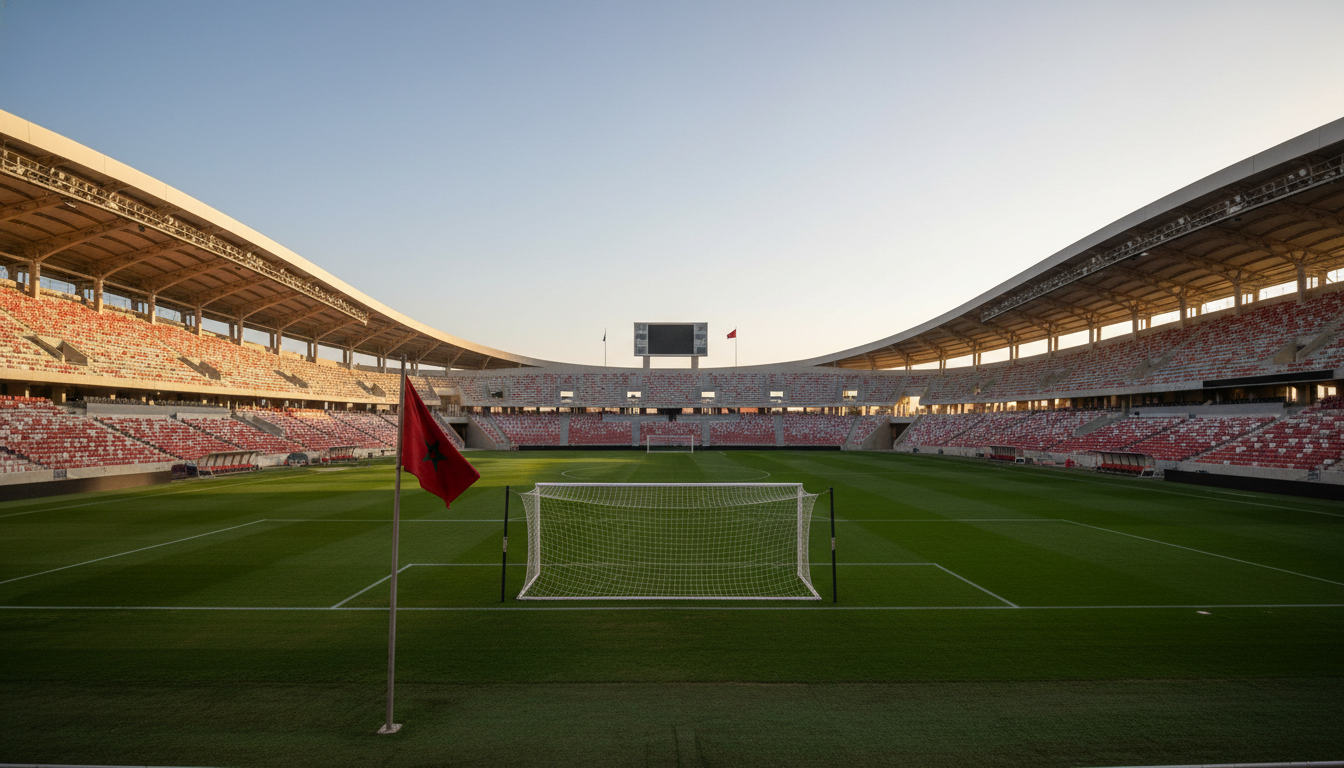
The FRMF announced cancellations of fixtures planned at Marrakech venues for early June, citing coordination with health and government authorities. The statement listed specific match dates that were affected, and said the measures were intended to protect players, officials and spectators. Local organisers relayed that no training sessions would be permitted in the city while the heightened precautions remain in force.
Teams that had already travelled to Morocco were told that scheduled warm-up games would not proceed in Marrakech, and that access to stadiums and training grounds would be restricted. The federation reiterated that public health considerations outweighed sporting arrangements and that decisions would be revisited in line with guidance from health agencies.
Teams Affected and Schedule Disruptions
Several African national sides were present in Morocco or due to play in Marrakech over the coming days, according to the federation’s announcement. The matches explicitly cited as cancelled were Tanzania v Uganda on June 5, Comoros v Rwanda on June 6, Uganda v Madagascar on June 8, and Tanzania v Rwanda on June 9. Other delegations named by the FRMF as in Morocco at the time included Equatorial Guinea and Burundi.
The cancellations create immediate logistical challenges for the visiting teams, which had flown in and begun preparations. Coaching staffs must now adjust training programs, travel plans and player welfare arrangements while awaiting further direction from tournament organisers and Moroccan authorities.
Health Authorities Cite Ebola Precautions
Moroccan public health authorities said the step was part of a broader effort to prevent any potential spread of Ebola and to limit large gatherings in a single urban area. Officials described the restrictions as precautionary rather than reactive to a confirmed local outbreak, indicating an intent to reduce risk while monitoring the situation. The federation’s release echoed that language, emphasising that the priority was to safeguard health rather than to preserve the original sporting timetable.
The scope of the measures includes barring organized training sessions and match activity in Marrakech until health officials conclude an assessment. Organisers and team medical staff were instructed to cooperate with local health teams and to comply with any additional screening or movement restrictions that may be imposed.
Federation and Government Coordination
The Royal Moroccan Football Federation said it acted in close consultation with relevant government ministries and public health agencies before issuing the cancellations. The FRMF framed the decision as a joint response designed to ensure consistent application of public health guidance across sporting events and venue operations. Federation officials also committed to informing teams promptly about any changes and to seeking alternatives that would minimise disruption.
Government representatives signalled a willingness to work with visiting associations on options such as relocating fixtures, postponing games, or arranging neutral-site alternatives elsewhere in the country if conditions permit. The announcement left open the possibility of rescheduling once health authorities give clearance and logistical arrangements can be secured.
Impact on Team Preparations and Regional Calendar
The cancellations will affect short-term training cycles and match preparation for squads using the friendlies to evaluate players and build cohesion. For some teams the Marrakech fixtures were part of a compressed preparation window ahead of regional qualifiers or continental competitions, and the lost opportunity for match minutes may force coaches to alter selection and assessment plans. National federations will need to balance sporting priorities with the health requirements imposed by host authorities.
Beyond the immediate squads, the disruption could ripple through regional calendars if matches are moved rather than postponed, potentially creating fixture congestion. Organisers face the task of coordinating travel, visas and accommodation changes, while ensuring compliance with any testing, isolation or screening protocols introduced by Moroccan health services.
Possible Next Steps and Monitoring
Officials said they would continue to monitor guidance from public health agencies and would communicate updates to the affected teams as assessments progress. Potential next steps include relocating matches to cities where restrictions are not in effect, arranging closed-door fixtures under controlled conditions, or postponing fixtures until an agreed later date. Any of those options will involve coordination between the FRMF, visiting federations and local authorities on logistics and health safeguards.
Team medical delegations and coaching staffs are expected to remain in close contact with their respective federations to manage training, recovery and player wellbeing while contingency plans are finalised. International federations and confederations that oversee regional windows may also be engaged to provide direction on how the suspended fixtures should be treated in the wider competitive calendar.
The decision by Moroccan authorities to cancel the Marrakech fixtures demonstrates the intersection of sport and public health policy in a context where organisers must weigh competitive needs against safety concerns. The FRMF has positioned the move as temporary and precautionary, committing to work with teams and government bodies to identify safe and practical alternatives as the situation evolves.