Morocco declare World Cup ambitions after dramatic 4-2 comeback over Haiti
Morocco World Cup 2026 aspirations take center stage as the Atlas Lions mount a dramatic 4-2 comeback to reach the Round of 32, finishing the group unbeaten.

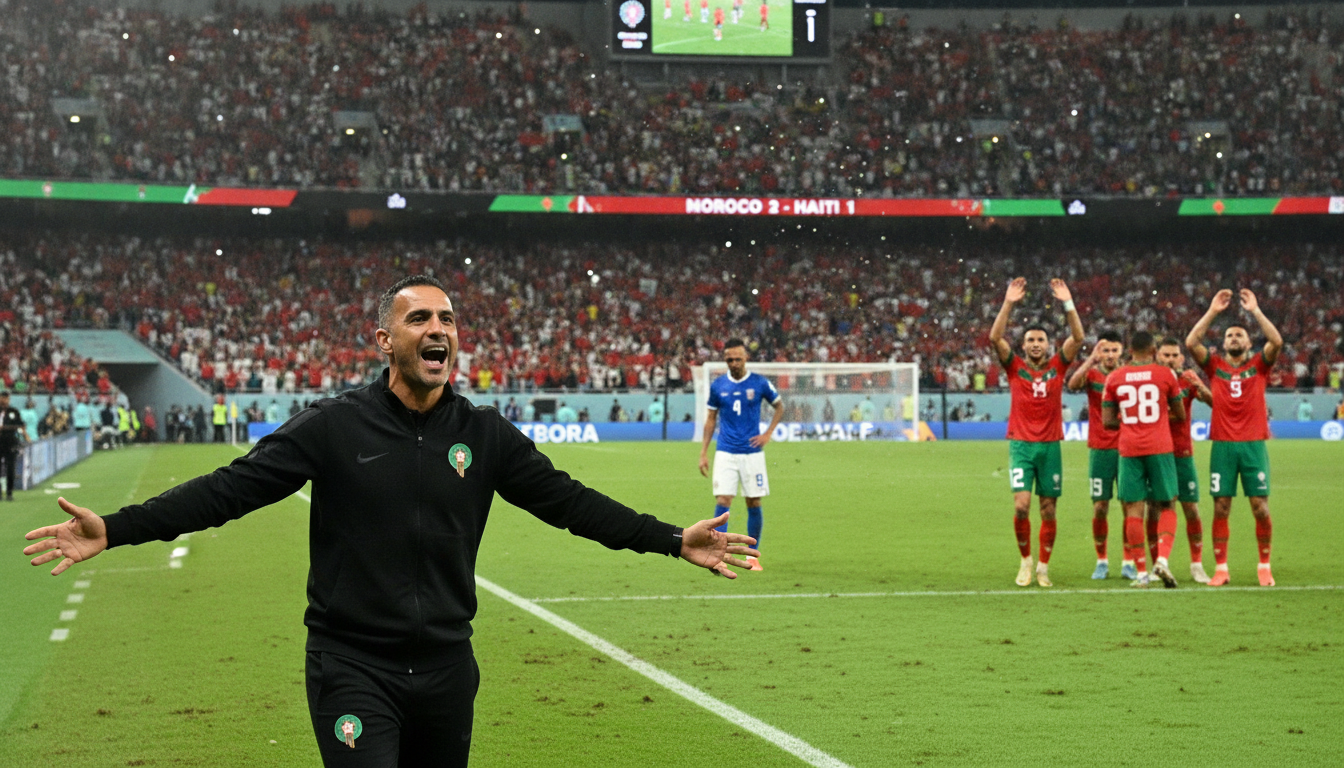
Morocco sealed qualification for the Round of 32 at the 2026 World Cup with a stirring 4-2 victory over Haiti in Atlanta, a result Mohamed Ouahbi says proves the team are no longer content simply to compete. The Atlas Lions twice recovered from conceding the lead and produced a dominant second-half performance to finish Group C unbeaten on seven points. Despite finishing level with Brazil, Morocco slipped to second on goal difference and will meet the Netherlands in the next round.
Late turnaround completes group-stage recovery
Morocco faced an early setback when Haiti struck first, forcing the North Africans into an immediate response. Achraf Hakimi and Ismael Saibari each found the net in the first half to keep Morocco level heading into the interval. The match remained open until the second half when a pair of substitutes turned the contest decisively in Morocco’s favor.
Soufiane Rahimi’s introduction injected energy and ended a tense period of play by restoring a Moroccan lead, while Yassine Jassim added a decisive fourth that was later confirmed after a VAR review. That collection of late interventions underscored the depth of Morocco’s squad and the tactical choices that have become a hallmark of the current coaching staff.
Group C finale played out under intense pressure in Atlanta
The Atlanta fixture was billed as a decisive finish to a tricky group, and Haiti refused to be an easy opponent by pressing and taking the lead on two occasions. Morocco’s response, however, reflected a team that has learned to manage adversity at major tournaments. The North Africans controlled the tempo for long stretches, limiting Haiti to very few clear chances on goal.
The result leaves Morocco unbeaten through the group stage and sets up a high-profile knockout tie against the Netherlands. Finishing as runners-up on goal difference means the Atlas Lions avoided topping the group, but they maintained momentum and delivered a performance that will reassure supporters and neutral observers alike.
Ouahbi frames victory as evidence of a new era
After the match, head coach Mohamed Ouahbi framed the win as more than three points; he described it as confirmation that Morocco have entered a new phase in which merely competing is insufficient. Ouahbi praised his players’ belief, the quality of the technical staff and the depth of the squad, saying those elements combine to justify bolder ambitions at this World Cup.
He also insisted the team would not seek easier opponents in the knockout stages, emphasising preparation over preference. Ouahbi revealed his staff had been analysing possible opponents in advance, demonstrating a methodical approach to tournament planning that prioritises readiness and adaptability.
Second-half changes underline tactical maturity
The match showcased Morocco’s tactical flexibility, with the coaching staff electing substitutions that changed the complexion of the game after the break. Rahimi’s lively movement and Jassim’s clinical finish were the direct results of those decisions, but the broader shift also included adjustments in pressing and wider use of full-back attacking channels.
Players such as Hakimi provided the attacking width and tempo that stretched Haiti’s defensive shape, while midfield contributors helped control transitions and recover possession quickly. Those elements combined in the second half to create sustained pressure and opportunities, allowing Morocco to dominate territory and chances as the game progressed.
Knockout draw sets up a stern test against the Netherlands
Finishing second in Group C means Morocco will face a Netherlands side in the Round of 32 that poses a distinct tactical and technical challenge. The Dutch team’s blend of possession, physicality and transitional speed will require Morocco to maintain the discipline and intensity they displayed in Atlanta. Ouahbi has stressed there is no preference for any opponent, and preparation will focus on neutralising specific threats through detailed analysis and match planning.
The knockout tie will be an early indicator of how far Morocco can realistically push in this tournament, but the coaching staff’s confidence and the squad’s depth provide reasons to believe the team can advance further.
From 2022 semi-finalists to genuine contenders again
Morocco’s progression at this World Cup can be read as part of a broader evolution that began with the team’s run to the semi-finals in Qatar in 2022. Since then, the national side has cultivated a mental resilience and tactical sophistication that have allowed them to navigate difficult groups without panic. The Atlanta performance reinforced that trajectory and showed a collective willing to shoulder greater expectations on the global stage.
Supporters and analysts will now measure Morocco against the standards of genuine contenders, and the coaching staff have publicly set the bar high by declaring the objective to win the World Cup. Realising that ambition will require consistent performances, tactical discipline and the kind of depth shown in the comeback against Haiti.
Morocco’s players and staff will take confidence from an unbeaten group campaign and a clear demonstration of their ability to respond under pressure. The next weeks will test whether that belief converts into further progression deep into the tournament, as the Atlas Lions prepare to meet a formidable Dutch side and pursue their stated ambition on football’s biggest stage.