Manuel Neuer named Germany No.1 for World Cup 2026 as Nagelsmann picks experienced keeper
Manuel Neuer will serve as Germany’s starting goalkeeper at the FIFA World Cup 2026 after coach Julian Nagelsmann included him in the 26-man squad, overriding earlier retirement and raising debate over form and leadership.

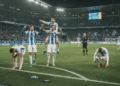
Germany’s coach Julian Nagelsmann surprised observers by selecting Manuel Neuer as the nation’s first-choice goalkeeper for the 2026 FIFA World Cup, confirming the veteran will wear the No.1 jersey despite Neuer’s international retirement announcement in August 2024. The decision came with Neuer returning to the national setup after a period away from international duty, and follows a season in which he registered 11 clean sheets in 36 appearances for Bayern Munich across all competitions. Nagelsmann framed the call as a balance between proven tournament temperament and recent club form, insisting Neuer’s presence delivers calm and decisive leadership in major competitions.
Nagelsmann confirms Neuer as Germany’s World Cup starter
Julian Nagelsmann publicly named his 26-man Germany squad and made clear that Manuel Neuer will be selected as the starting goalkeeper at the World Cup. Nagelsmann said he had spoken with both keepers ahead of the announcement and made the choice on the basis of what he believes best serves Germany’s chances in a knockout tournament.
The coach acknowledged that the decision would be difficult for Oliver Baumann, who had been viewed by many inside the camp as a contender for the No.1 role. Nagelsmann stressed that the selection process weighed experience in major tournaments and the specific leadership Neuer brings to the dressing room.
Neuer’s return from international retirement
Manuel Neuer initially stepped away from international football in August 2024, a move that appeared to close the door on future major-tournament involvement. His recall for the 2026 campaign marks a reversal prompted by both his sustained club performances and a strategic assessment by the coaching staff that tournament experience matters.
Across the most recent season, Neuer posted 11 clean sheets in 36 appearances for Bayern Munich, statistics Nagelsmann highlighted when justifying the call. Beyond numbers, the decision underscores how national teams sometimes prioritize proven leadership and reliability in high-pressure settings.
Impact on the squad dynamic and leadership structure
Neuer’s return reshapes Germany’s leadership hierarchy, placing a 40-year-old veteran back at the center of the dressing room. His presence is likely to influence tactical organization from the back, set-piece management, and the psychological composure of a relatively young outfield core.
Coaches and teammates often point to the intangible benefits of a goalkeeper who commands respect and can calm tense moments during matches. Nagelsmann believes those attributes are especially valuable in a World Cup, where small episodes of individual quality can change a team’s trajectory.
Oliver Baumann’s reaction and role in the squad
Oliver Baumann, who had been earmarked by many as Germany’s top goalkeeper earlier in the cycle, was informed in March that discussions had taken place about Neuer’s potential return. Nagelsmann acknowledged that the news had been disappointing for Baumann and noted that the revelation strained the relationship between coach and player at least temporarily.
Despite the emotional impact, Nagelsmann reiterated confidence in Baumann’s professionalism and value to the squad as a reliable backup with recent international experience. Baumann’s role now shifts toward providing depth, pushing Neuer in training, and remaining prepared to step in should injury or form issues arise during the tournament.
Goalkeeping depth, alternatives and tactical implications
Germany’s selection reflects broader considerations about squad composition and contingency planning in a long tournament. Having multiple capable options on the bench is essential, and Baumann’s continued inclusion offers tactical flexibility in case a change becomes necessary.
Teams at World Cups must prepare for a range of scenarios, from penalty shootouts to matches decided by marginal errors. Selecting a goalkeeper of Neuer’s pedigree signals a preference for a custodian who can not only make saves but also marshal a defense and influence opponent behavior with presence and reputation.
How this decision affects Germany’s World Cup outlook
Entrusting the starting spot to Manuel Neuer is a calculated bet that experience and past clutch performances will outweigh concerns about age or intermittent form. Germany’s path in the tournament will test whether that gamble pays off, particularly against high-intensity opponents who press aggressively and demand a goalkeeper comfortable with distribution under pressure.
The inclusion of Neuer may also shift tactical choices, encouraging a build-from-the-back approach when appropriate and offering coaches the option to play with a sweeper-keeper who can neutralize counterattacks. Ultimately, the selection will be judged on performance under the brightest lights of the World Cup.
Neuer’s selection and the Baumann dynamic have reignited debate over how national teams balance current form with tournament experience when naming finals squads. Critics will point to Baumann’s earlier standing and consistent performances as evidence that form should carry greater weight, while supporters of Neuer’s recall will emphasize his track record in decisive moments and leadership in the locker room.
The decision places added scrutiny on Germany’s goalkeeping training and match preparation in the weeks leading to kick-off, as coaches fine-tune roles and anticipate opponents’ strengths. It also forces Neuer to show that he can translate club-level performances into the unique pressures of World Cup competition after a period away from the international stage.
Fan reaction is likely to be mixed, with supporters celebrating the return of a familiar leader while others question whether a long-term transition might have been more prudent. Behind the scenes, maintaining squad cohesion will be a priority for Nagelsmann and his staff as they aim to present a united front in a tournament that often punishes internal discord.
Looking ahead, Neuer’s form, health, and command of the defensive unit will be closely monitored through pre-tournament friendlies and training camps. Baumann’s response to being named as a backup will also be critical; his readiness to contribute without public complaint can prove decisive if circumstances change.
The context of the 2026 FIFA World Cup — expanded teams and a demanding travel schedule across host nations — adds an extra layer of complexity to squad decisions. Physical management, rotation policies, and mental preparation are all magnified in a tournament that can stretch a team’s resources.
The coming weeks will reveal whether Germany’s gamble on Manuel Neuer as their starting goalkeeper yields the intended effect of stability and match-winning moments, or whether the choice will invite criticism should key saves or leadership lapses fail to materialize.