Nigeria Hold 26th Place in FIFA Rankings Despite 2026 World Cup Absence
Nigeria remain 26th in the latest FIFA Rankings after the governing body’s update following the 2026 World Cup, a position the Super Eagles retained despite not taking part in the tournament. The FIFA Rankings are the central metric in this report and Nigeria’s standing underscores the team’s stability amid a period of significant global reshuffling. The new table reflects the results of 105 matches in the ranking period, 104 of which occurred at the World Cup in North America.

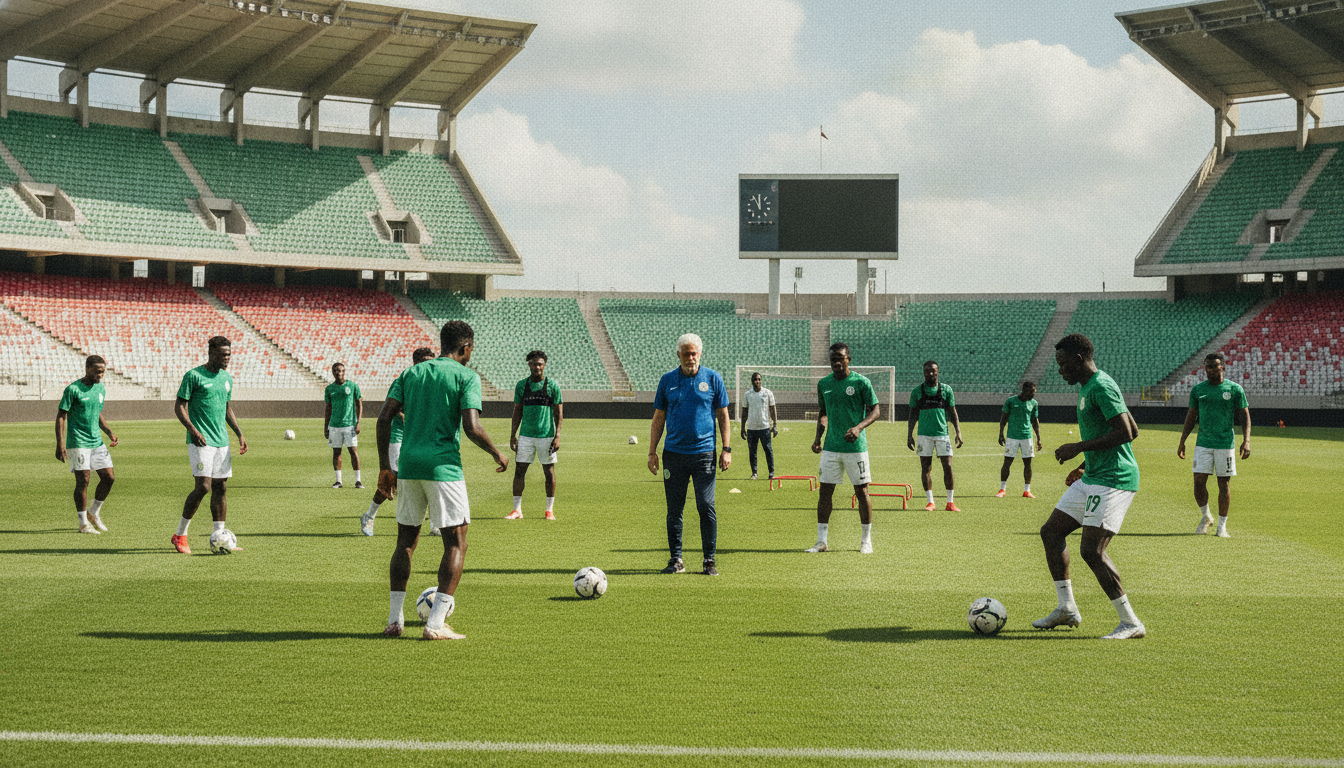
Super Eagles Hold at 26th in FIFA Rankings
Nigeria’s Super Eagles kept their 26th-place position in the FIFA Rankings even though they were absent from the 2026 World Cup field. The team entered the review window having played preparatory friendlies against World Cup-bound sides, drawing with Poland and losing 2-1 to Portugal in warm-up fixtures.
Those results and the lack of tournament matches meant Nigeria did not accrue the points available to competing nations, but neither did they suffer a fall large enough to drop out of the top 30. The maintenance of 26th place points to a balance between the Super Eagles’ recent form and the relative volatility caused by World Cup outcomes elsewhere.
World Cup Results Drive Major Ranking Movements
The latest update to the FIFA Rankings is dominated by the impact of the World Cup, which accounted for 104 of the 105 matches in the ranking period. With that many high-stakes fixtures, movement across the full table was substantial, affecting top seeds and emerging national programs alike.
Spain reclaimed the No.1 position in the rankings following their victory in the World Cup final, with Argentina slipping to second place after a runner-up finish. Tournament performance therefore translated directly into ranking shifts, rewarding teams that advanced deep into the competition and penalizing those eliminated earlier than expected.
African Nations See Notable Changes, Morocco Leads
Morocco stands as the highest-ranked African nation, rising to sixth in the world after a deep run at the World Cup, a position that makes them the continent’s standout side in FIFA’s latest list. Senegal, also a World Cup finalist, rose to 18th overall, cementing their status as a top African contender.
Egypt climbed five places to 24th after reaching the Round of 16, becoming the third-highest African nation in the updated rankings. These movements reflect the strong showing of African teams at the tournament and signal shifting competitive balances on the continent.
Top Ten Reorder Reflects Tournament Outcomes
The World Cup produced a significant reshuffle among the global elite, with several nations moving up or down the top ten. Brazil moved up to fifth, Morocco to sixth, and Portugal slid to seventh after an earlier-than-anticipated exit in the Round of 16.
Belgium rose to eighth following their quarter-final performance, while the Netherlands dropped to ninth and co-host Mexico returned to the top ten in tenth place for the first time since March 2022. Germany fell outside the top ten to 12th, illustrating how a single tournament cycle can reshape the upper reaches of the rankings.
Ranking Mathematics and the Effect of Tournament Weighting
FIFA’s rankings place heavier emphasis on competitive matches and tournaments, which explains why World Cup results had an outsized influence on this cycle. Nations that played through multiple knockout rounds collected more ranking points, while non-participants or early exits missed opportunities to advance.
For teams like Nigeria, which did not participate, the absence of World Cup fixtures meant fewer chances to amass points and climb the table. Nonetheless, a combination of prior results and the relative performance of other teams allowed the Super Eagles to remain steady rather than decline sharply.
Implications for Nigeria’s Planning and Future Fixtures
Maintaining 26th in the FIFA Rankings provides Nigeria a degree of continuity as the team approaches upcoming qualification windows and continental commitments. The standing will influence seedings and perceptions but is only one factor among scouting, coaching decisions, and player selection for future competitions.
Coaching staff and federation officials will need to weigh rankings against the practical need for competitive matches, targeted friendlies, and youth development to convert stability on the table into sustained progress on the pitch. The coming months present opportunities to schedule fixtures that can yield ranking points while preparing the squad for African Cup of Nations qualifiers and other commitments.
Broader Consequences for African Football Momentum
The rise of several African teams in the rankings underlines a wider momentum for the continent following the World Cup, offering both validation and leverage for federations seeking higher-profile fixtures. Morocco’s top-six placement and the improvements by Senegal and Egypt will likely attract stronger opponents and greater commercial interest.
That momentum also raises the bar for peers such as Nigeria, who must translate domestic talent pipelines and coaching strategies into results that can push them into the top 20. The regional dynamics created by these ranking shifts will influence tournament seedings and competitive matchups across the next two years.
Nigeria’s current position in the FIFA Rankings is a reminder that absence from a single tournament does not necessarily spell decline, but it does limit the team’s ability to climb quickly. With careful planning, deliberate scheduling, and consistent performance, the Super Eagles can aim to convert their mid-table stability into upward movement in future ranking cycles.