Rayo Vallecano vs Girona: LaLiga EA Sports Matchday 35 kicks off at Vallecas
Rayo Vallecano vs Girona live match coverage and analysis for LaLiga EA Sports Matchday 35 on May 11, 2026. Tactical preview, key players to watch, and the implications of the fixture for both clubs.


Rayo Vallecano vs Girona kick off in LaLiga Matchday 35
Rayo Vallecano vs Girona began at 21:00 CEST on May 11, 2026 at Campo de Fútbol de Vallecas, with live coverage capturing the tactical chess match between the two sides. The contest, staged late in the LaLiga EA Sports calendar, carried importance for both teams as they sought momentum in the closing stages of the season. Updates during the evening, including a time-stamped report at 21:10 CEST, reflected the fast-moving nature of the game and the immediate interest from supporters and pundits.
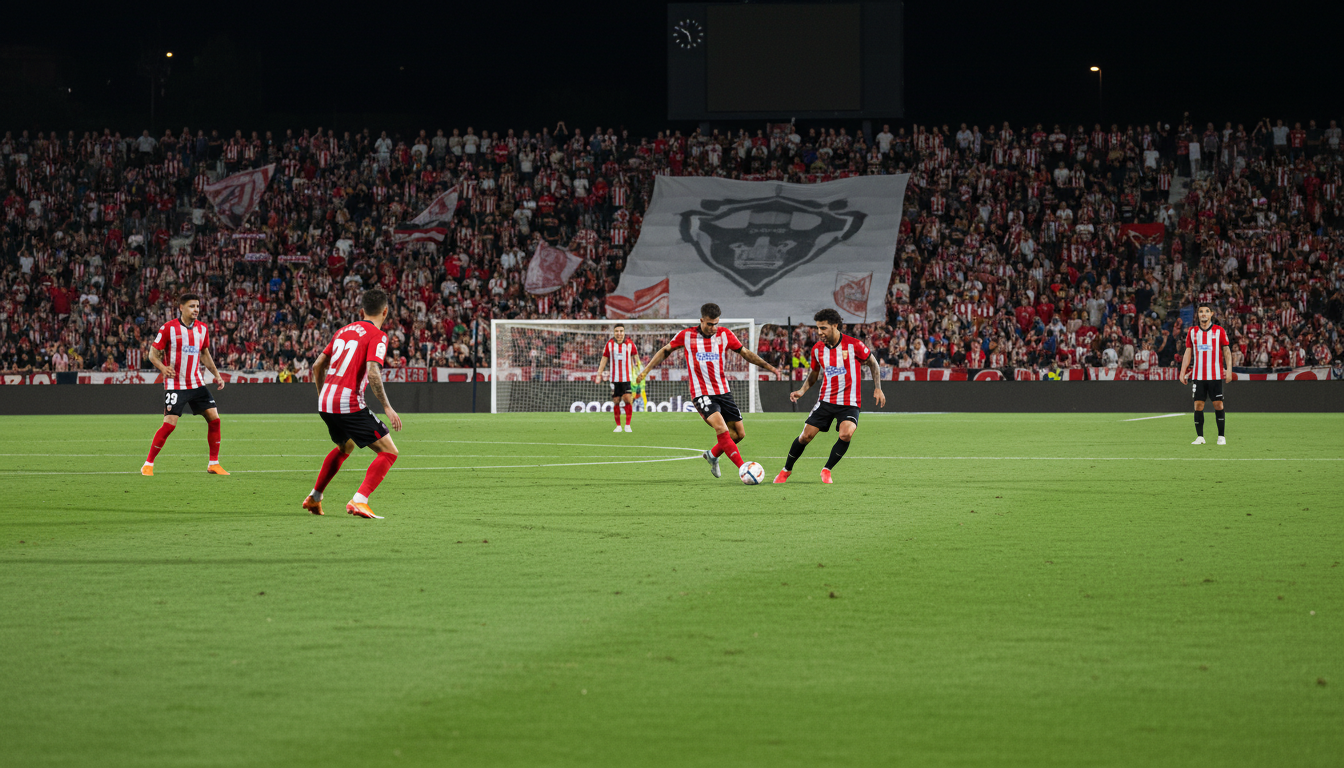
Rayo took to the field as the home side, while Girona arrived hoping to impose their structure on a typically intense Vallecas atmosphere. The matchday setting — a packed stadium under lights in Madrid — set the scene for a fixture that often delivers open football and fierce duels. Fans and analysts alike were watching for how each manager would balance risk and control in a week where every point can shift momentum.
Tactical battle: Vallecas pressing meets Girona’s ball progression
Tactically, the fixture presented a clear clash of styles that has defined recent meetings: Rayo’s high-energy pressing and quick vertical transitions against Girona’s emphasis on measured possession and coordinated build-up play. Rayo’s approach frequently aims to disrupt opponents high up the pitch, forcing turnovers and creating immediate chances on the break. Girona, by contrast, tends to prioritize ball circulation through midfield triangles and full-back involvement to overload wide areas before delivering decisive final passes.
How each side handled the 3–5 second moments after possession changes was crucial to the match’s tempo and opportunities. When Rayo recovered the ball, rapid advances into the final third tested Girona’s positional discipline, while Girona’s patient sequences sought to pull Rayo out of shape and exploit the spaces left behind. Match management in transitional phases — defensive recovery runs, midfield pressing triggers, and timing of forward runs — served as the tactical heartbeat of the evening.
Key players who can decide the fixture
Individual battles within the collective systems were likely to determine the result: forwards who can turn half-chances into goals, midfielders who control the rhythm, and goalkeepers decisive on high-pressure moments. Rayo’s attacking units usually rely on pace and directness to unsettle defensive lines, while Girona depends on midfield creators to pick out penetrative passes and late runs into the box. Set pieces and dead-ball delivery also offered clear routes to change the scoreline, placing added emphasis on aerial duels and concentration from defenders.
The duel between wide attackers and opposing full-backs was another micro-battle to watch, as both teams seek to gain advantage through width and crossing. Midfield battles for second balls, intelligent pressing triggers, and the ability to recycle possession quickly under pressure could swing momentum. Ultimately, the performances of those entrusted with finishing moves and last-ditch defending were likely to be the match’s decisive elements.
Stakes for LaLiga positions and midseason momentum
Although this single fixture represented just one round in a long season, the result could have outsized consequences for the closing weeks of LaLiga EA Sports. For Rayo, the evening offered an opportunity to consolidate home form and build confidence among a passionate local fanbase. For Girona, securing points on the road was a chance to maintain or improve league standing and to demonstrate resilience away from Catalonia.
Beyond immediate points, the match influenced psychological momentum heading into the season’s final fixtures, with each team mindful that runs of form can shape ambitions in both domestic and European contexts. Coaches often frame late-season clashes as moments to test squad depth and adaptability, and this game was no exception; tactical tweaks, rotation decisions and in-match management were all scrutinized for their long-term impact.
Stadium atmosphere and coaches’ tactical choices
Vallecas is renowned for producing an intense matchday environment that rewards aggressive, committed play and punishes lapses in concentration. The home crowd’s vocal support typically amplifies the tempo and empowers the hosts to sustain pressing patterns over 90 minutes. Coaches on both sides had to factor crowd influence into lineup choices, particularly regarding players’ temperament and capacity to manage pressure situations.
Managerial decisions around substitutions, formation shifts and risk appetite in the final third became focal talking points as the match progressed. Whether to commit an extra forward in search of a winner or to protect a narrow lead demanded a read on the game’s momentum and the opposition’s likely response. The strategic interplay of coaches — their willingness to alter structures to exploit weaknesses or shut down threats — often defined the narrative after the final whistle.
What unfolded in the match and late-game scenarios to monitor
As the fixture moved into its decisive phases, the pattern of play typically shifted toward increased urgency from the trailing side and more conservative shape from any team protecting a narrow advantage. Key moments to watch included late pressing patterns, the use of fresh legs from the bench to change tempo, and the management of set-piece situations in the closing minutes. Match control in the final 20 minutes often comes down to concentration, compactness between lines, and the capacity to deny opponents space for a decisive pass or shot.
Possible late-game scenarios ranged from nervy finishes decided by scrambles in the box, to tactical standoffs resolved by a precision finish from a counterattack or a moment of individual brilliance. Free-kicks, corners and long throws into congested areas assumed heightened importance as both sides sought marginal gains. Coaches’ timing in introducing substitutes who could immediately impact width or physical presence in the penalty area was a common lever for altering outcomes.
In the immediate aftermath of the match, attention naturally shifted to post-game analysis: which tactical adjustments proved decisive, which players rose to the occasion, and what the result meant for the respective campaigns. Analysts and supporters alike dissected pivotal sequences and substitutions, assessing how the game’s turning points reflected broader tactical trends across LaLiga.
The result of this direct encounter also fed into scouting and preparation for subsequent fixtures, with both clubs evaluating fitness, suspension risks and areas for tactical refinement. Training sessions in the days following would likely focus on set-piece organization, transitional defense, and rehearsing alternative attacking patterns. Clubs often use late-season match learnings to fine-tune strategies ahead of critical fixtures that can shape final league placings.
This Rayo Vallecano vs Girona meeting highlighted the blend of tactical nuance and emotional intensity that defines LaLiga EA Sports contests, producing talking points that extended beyond the final score. Players and coaches left Vallecas with clear takeaways to inform their immediate preparations and longer-term objectives as the domestic campaign approached its closing chapters.