José María del Nido Carrasco outlines Sevilla’s ownership uncertainty, failed Sergio Ramos talks and club finances
José María del Nido Carrasco responds to Sevilla sale rumours and Sergio Ramos talks, outlining the club’s finances, debt, cash and wage limits this summer.

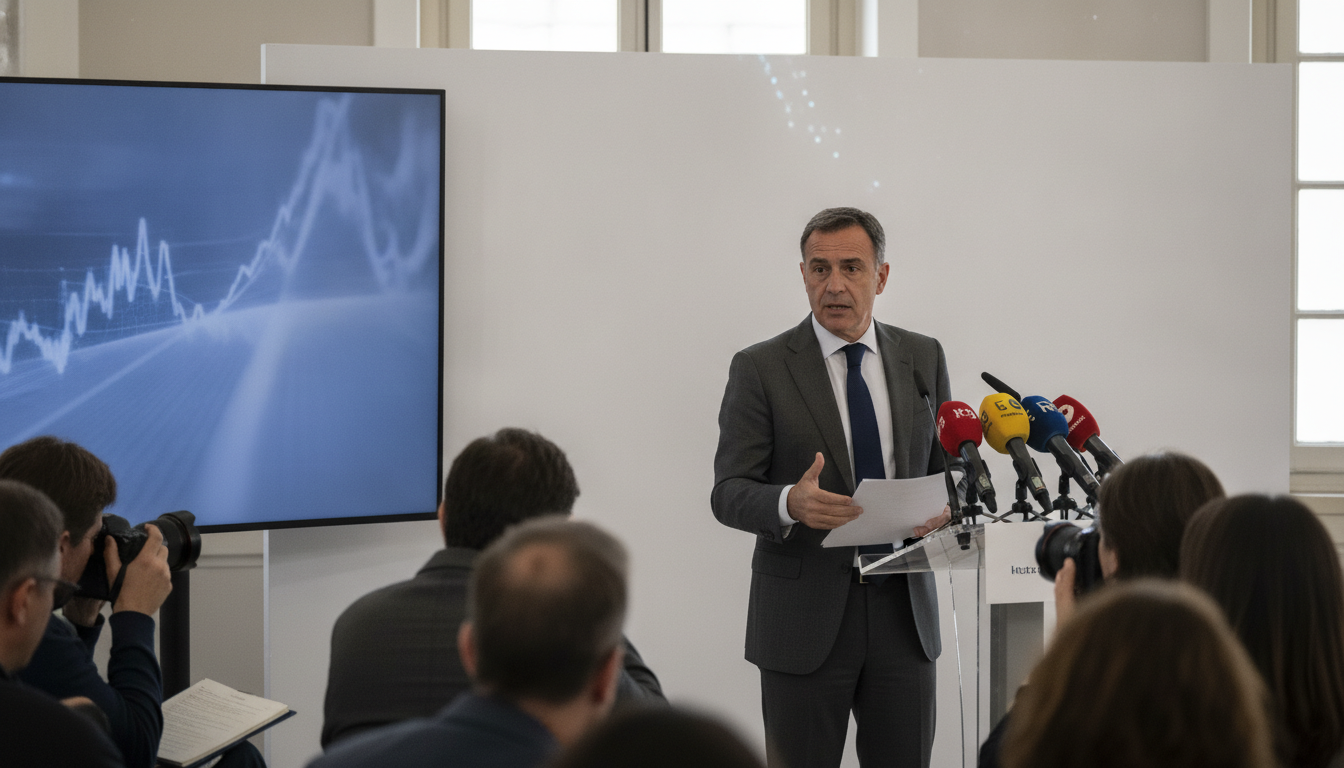
José María del Nido Carrasco spoke publicly for the first time since Sevilla secured top-flight survival, addressing the collapsed negotiations involving some of the club’s major shareholders and Sergio Ramos. The president framed his remarks around the club’s immediate sporting survival and the broader financial and governance questions that have surfaced in recent weeks. He acknowledged personal fatigue and threats outside the stadium while insisting the board will follow a LaLiga-validated roadmap to stabilise Sevilla. Del Nido Carrasco also set out precise figures on debt, cash reserves and the binding constraint that now shapes transfer strategy: the squad cost limit.
Del Nido Carrasco addresses ownership uncertainty and his future
Del Nido Carrasco opened by saying he has contemplated leaving the presidency but remains committed to ensuring Sevilla’s future while the current governance structures are in place. He described the role as unenviable when operating without transfer funds and under personal pressure, but stressed he will step down if he judges the club’s management is no longer being done properly. The president emphasised that the club is a publicly traded sports company governed by capital structure and a shareholders’ pact, and that any decisions must respect that framework. He made clear his focus is the institution rather than personal relationships, noting he did not enter football to make friends but to protect the club.
On the prospect of selling Sevilla and shareholder actions
When asked whether Sevilla would be sold, Del Nido Carrasco declined to predict the future but explained the sequence of events around a period of exclusivity with potential buyers. He said he had no involvement in any shareholders’ meeting to sell the majority stake and that the major shareholders issued a subsequent statement setting out their intentions after the exclusivity window closed. Del Nido Carrasco underlined that those shareholders have chosen to initiate a sale process they believe will serve the club’s best interests. Meanwhile, the board must continue executing a validated recovery plan that has already received backing from LaLiga and existing investors.
Sergio Ramos negotiations and timing concerns
Del Nido Carrasco addressed the high-profile approach from Sergio Ramos and stressed timing was a decisive factor in his response to the former Spain captain. He recalled conversations with Ramos about a possible return, but said that with an active due diligence and exclusivity process it would have been inappropriate to proceed with transfers that might affect ownership plans. The president argued that the decision to decline Ramos’s immediate involvement proved prudent given the surrounding uncertainty. He also highlighted his longstanding personal regard for Ramos and his family while maintaining that sporting decisions had to be taken within the club’s financial and governance constraints.
Financial snapshot: debt, cash and solvency indicators
The president gave a detailed view of Sevilla’s balance sheet, saying net debt stands at €88 million and that the club currently holds more than €50 million in cash. He pointed to a prior period in which Sevilla recorded significant losses and said operating results have improved by roughly €54 million under the present administration. Del Nido Carrasco positioned the club’s position as controlled and solvent, noting that the club’s net assets relevant to dissolution thresholds total about €104.3 million. He underscored, however, that solvency on paper does not remove the immediate constraint imposed by the wage and amortisation limit set by regulatory bodies.
Squad cost limits, registration problems and transfer strategy
A central element of Del Nido Carrasco’s address was the club’s binding limit on squad costs, which he identified as Sevilla’s primary operational problem. He explained that the current limit prevents the club from registering some targets immediately and that last season’s unpaid registration fees still weigh on the budget. The president outlined how any player inscriptions will depend on a mix of plus-value sales, cost reductions and desinversiones, with different percentages applied depending on player status and franchise designation. He argued that the club has had to compete with an effectively smaller squad budget this season and that several current contract costs still reflect a previous era when Champions League revenues made higher wages manageable.
Capital increase scenarios and investor interest
Del Nido Carrasco described the potential impact of a capital increase, using an €80 million example to illustrate how fresh equity would expand salary and amortisation headroom by roughly €25 million in the current season and €20 million the following year. He said one reason shareholders are exploring a sale is the prospect that a new investor could accelerate that recovery process by providing the financial firepower to underwrite such an increase. At the same time, the president insisted Sevilla does not strictly need an immediate capital injection to pursue economic and sporting regeneration, but that outside funding could remove constraints more quickly. He referenced interest from parties who have acknowledged the club’s cost-cutting measures — including a planned €100 million reduction in operating costs over two seasons — and praised the internal restructuring that made certain external measures unnecessary.
Assessment of the season and short-term priorities
On the sporting front, Del Nido Carrasco described the season as difficult but ultimately successful because the club achieved its primary objective of top-flight survival. He admitted the late run was tense and that supporters and executives alike endured a period of intense pressure. The president framed the coming weeks as a time to stabilise both on the pitch and in the boardroom, with transfer and registration decisions to be made within the constraints he outlined. He also flagged that sales or other transactions before June 30 could alter the financial outlook and allow for further sporting investment if completed in time.
Sevilla’s president sought to balance candour with reassurance, acknowledging the emotional toll the recent weeks have taken on those connected to the club. He stressed the council’s obligation to follow a roadmap validated by regulatory authorities and financiers, and he set clear priorities: reduce costs, improve the balance sheet and unlock options to expand the squad cost envelope. The next phase will depend on shareholder decisions, potential investor offers and whether any transactions materialise before the end of the fiscal window, all while preserving the institutional stability Del Nido Carrasco says he is determined to defend.