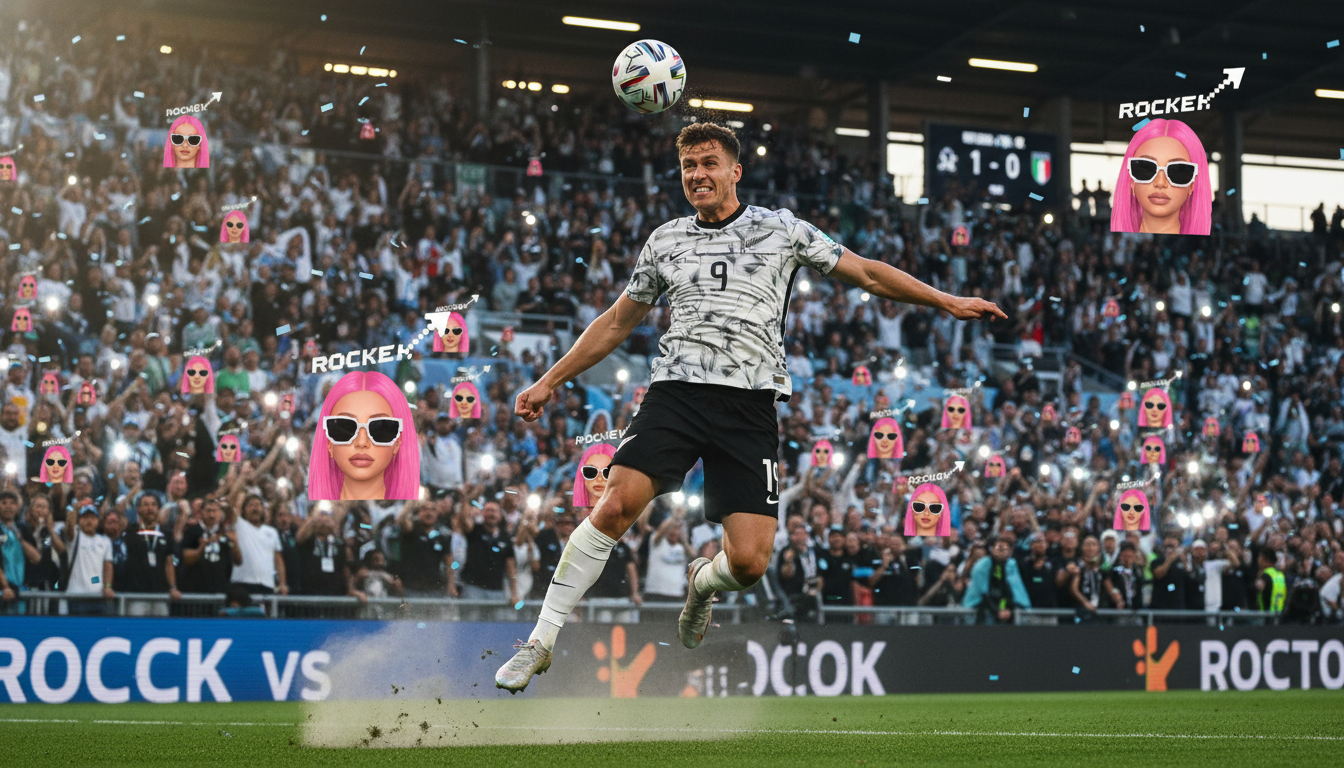
Tim Payne’s Instagram Explosion: From Obscurity to World Cup Spotlight
Tim Payne’s social surge stunned fans after an influencer-driven campaign pushed the New Zealand defender into global view ahead of the 2026 World Cup.


Tim Payne, the New Zealand international defender, has seen his social media presence skyrocket after an Argentine football influencer singled him out as the tournament’s least-known player, triggering a rapid and sustained surge in followers. The spike — from roughly 4,700 followers to more than one million in a matter of days — has thrust Payne into an unfamiliar spotlight as the World Cup in Canada, the United States and Mexico approaches. The phenomenon raises questions about modern attention cycles, the commercial value of sudden fame, and how national teams manage unexpected media attention on the eve of football’s biggest event.
Influencer Call to Action Drives Unlikely Rise
An Argentine content creator, known online as El Scarso and identified as Valen Scarsini, urged his audience to elevate the profile of the Kiwi defender ahead of the tournament.
Scarsini picked Payne as the least-known player in the World Cup squads and encouraged followers to rally behind him, prompting a viral wave of follows, mentions and posts across multiple platforms.
From 4,700 to a Million: The Numbers Behind the Surge
Before the campaign, Payne’s Instagram account was modest, reflecting a career spent largely outside high-profile global club spotlight.
After the influencer’s post, follower counts reportedly climbed at a rate approaching 1,000 new followers per minute, surpassing the one-million mark by Friday and temporarily outpacing more established names within the New Zealand setup.
Impact on New Zealand’s Squad Dynamics and Public Profile
The social-media spike has raised the profile of New Zealand’s team selection, which already attracted attention for its mix of experienced pros and lesser-known players.
Payne’s sudden prominence has created a fresh media narrative that shifts some focus away from the favorites and onto the stories of peripheral squad members, a dynamic coaches and team officials will now manage during preparation.
Commercial Opportunities and Sponsorship Considerations
A rapid increase in followers often translates into short-term commercial interest, from branded content proposals to sponsorship inquiries.
For Tim Payne, agents and the national federation may now need to weigh the athlete’s on-field priorities with potential off-field deals, ensuring any commercial activity does not disrupt World Cup readiness.
Comparisons with Team Leadership and Established Stars
Payne’s new following was framed against the presence of established names in the All Whites lineup, including captain Chris Wood, who has historically been the team’s most high-profile figure.
Observers noted that Payne’s account briefly exceeded the follower numbers of Wood, underscoring how viral moments can reconfigure public recognition independent of on-field status or club profile.
The Other Kiwi Story: Personal Sacrifice and World Cup Selection
The squad announcement produced a second, contrasting human-interest thread: one New Zealand player wrestling with the personal consequence of selection, reportedly facing the prospect of postponing a wedding.
That anecdote served as a reminder that while social virality can lift a player into the public gaze, World Cup call-ups also carry private costs, commitments and trade-offs that travel well beyond social metrics.
Media Attention and Mental-Health Risks for Sudden Stars
Instant fame brings scrutiny that can be unfamiliar and stressful, particularly for players accustomed to lower public profiles and smaller media demands.
Teams and federations increasingly recognize a duty of care to support athletes suddenly thrust into headlines, offering media training and psychological support to help manage the pressures of heightened attention.
How National Federations Can Respond
Federations typically coordinate communications to harness positive attention while shielding players from distractions that could affect performance.
For New Zealand’s federation, the priority will be to integrate the coverage into the team’s narrative, using the moment to broaden fan engagement without allowing off-field noise to undermine preparation for competitive fixtures.
What the Viral Moment Means for the World Cup Narrative
The Tim Payne story underscores how the 2026 World Cup will be shaped by more than performances on the pitch; it will also be a tournament of viral stories and social-media-driven underdog moments.
Such episodes broaden the event’s appeal, drawing attention to lesser-known teams and players and providing fresh entry points for global audiences to connect with the sport.
Potential Long-Term Outcomes for Payne’s Career
While social media spikes can be ephemeral, they sometimes translate into sustained visibility that benefits player recognition and marketability.
If managed carefully, Payne’s newfound platform could open doors for endorsements, speaking opportunities and wider media engagement, while also raising expectations that must be balanced with his playing commitments.
Broader Implications for Player Privacy and Consent
The episode highlights tensions around consent and publicity: players may be elevated to fame without their prior approval, complicating personal privacy and professional planning.
Clubs and federations increasingly need clear protocols to address sudden surges in attention, ensuring athletes receive guidance on how to respond and who will handle media inquiries on their behalf.
Fan Response and the Role of Football Communities
Fans responded quickly, treating the campaign as a communal effort to celebrate an under-recognized player and to inject a human story into the broader tournament build-up.
That grassroots mobilization reflects how supporter communities can now shape narratives and amplify voices at scale, sometimes faster than traditional media outlets.
What Coaches and Teammates Have to Manage
Coaching staff must balance acknowledging a player’s off-field profile with maintaining focus on tactical preparation and team unity.
Teammates often play a practical role, helping integrate the spotlighted player into routines and shielding them from excessive media demands in the days leading up to matches.
A Moment of Joy and a Reminder of the World Cup’s Reach
For Tim Payne, the surge represents an unexpected moment of public recognition that many professional players never experience, regardless of career achievements.
At the same time, the anecdote about a teammate potentially postponing a wedding keeps the spotlight grounded in the human dimension of international sport: selections carry real consequences for players’ lives beyond the field.
The viral attention around Tim Payne is both a product of contemporary digital culture and a reminder of the unpredictable ways the World Cup amplifies personal stories. Fans, federations and the player himself now face choices about how to shape this moment, balancing media opportunity with the singular objective that unites every squad at a World Cup: to perform on the pitch.