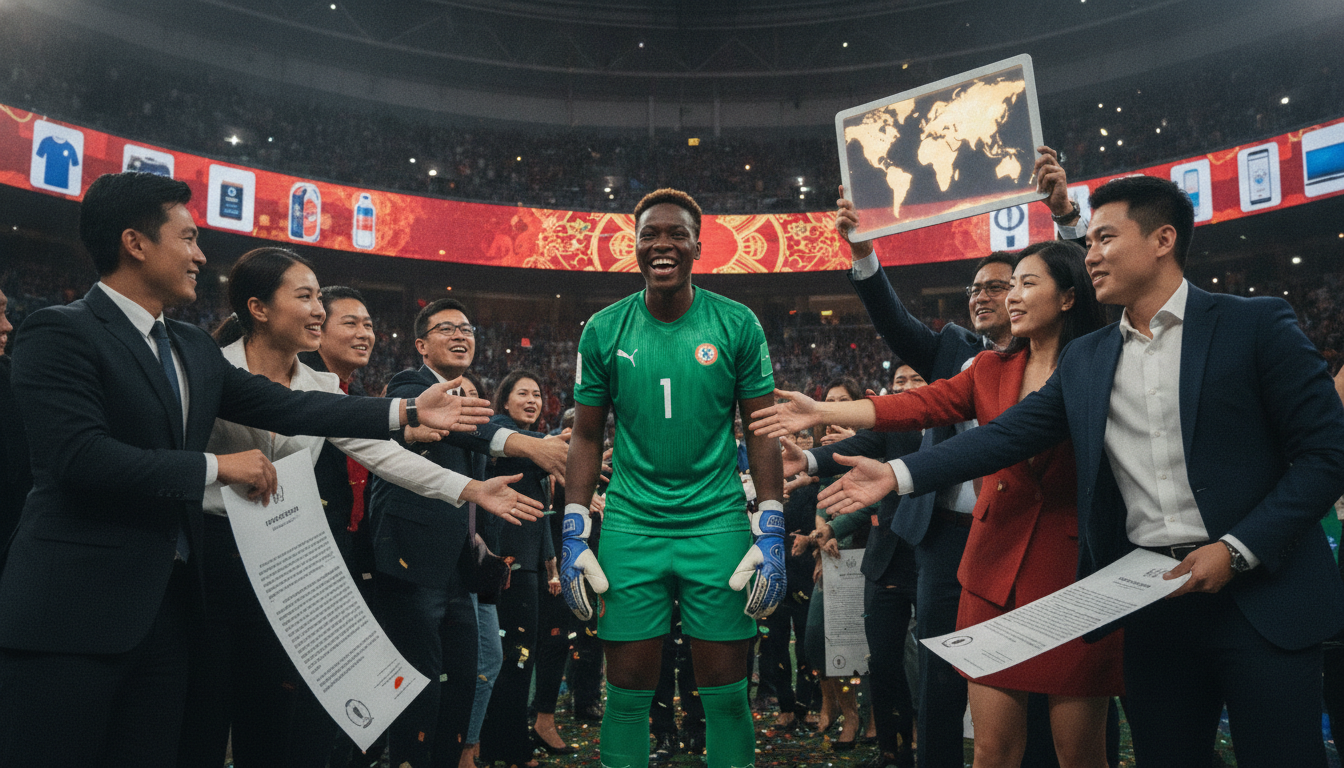
Vozinha Poised for Multimillion-Dollar Deals as Chinese Firms Chase World Cup Star
Cabo Verde goalkeeper Vozinha draws multimillion-dollar sponsorship interest from Chinese and global brands after his World Cup heroics and social-media surge.


Vozinha, the 40-year-old Cabo Verde goalkeeper whose man-of-the-match display helped his nation hold Spain to a goalless draw, has become a commercial magnet almost overnight. The goalkeeper’s social following exploded in the days after the match, and his agent says offers from multiple regions are now active. The rapid rise has prompted interest from major Chinese firms alongside European and Brazilian agencies.
Chinese firms pursue Vozinha after World Cup performance
Several large Chinese companies are actively pursuing Vozinha’s signature to capitalize on his international profile, sources close to the negotiations say. The approach reflects a wider trend of Asian brands tapping marquee moments at major tournaments to amplify reach and credibility. For many firms the appeal lies in Vozinha’s unexpected global recognition and the storytelling value of a veteran goalkeeper excelling on football’s biggest stage.
Executives at marketing and advertising agencies see an opportunity to link a humble, hardworking image to product campaigns aimed at new demographics. Those conversations are reportedly advancing on commercial terms that could reach into seven figures. The speed of the outreach has surprised industry observers used to more measured endorsement cycles.
Agent confirms explosive rise in followers and offers
Vozinha’s agent, Bernardo Vasconcelos, has described an intense flurry of proposals following the goalkeeper’s World Cup debut, saying that managing interest has become a full-time task. According to Vasconcelos, offers came from Brazil early on, but prominent European and Chinese communication agencies swiftly followed. The agent cautioned that while the player remains grounded, the volume and variety of requests have been difficult to navigate.
Social media metrics underpin the commercial interest: the goalkeeper’s audience grew from roughly 50,000 followers to more than 14 million on Instagram in a matter of days. That kind of jump places Vozinha in a rare class of athletes whose tournament performances convert directly into mass digital attention. Agencies now face the practical challenge of converting that attention into long-term partnerships without overexposing the athlete.
Commercial valuations and endorsement comparisons
Industry estimates shared publicly for other tournament figures have set a high bar for what top performers can command, and some reports suggest comparable deals for referees and match officials have reached multimillion-yuan levels. One prominent example cited in trade discussions involved a referee reportedly securing a seven-figure endorsement in China, which has become a benchmark for celebrity pricing in the market. Against that backdrop, analysts say Vozinha could command several million dollars across multiple agreements if negotiations proceed favorably.
Brand strategists emphasize that the structure of deals will vary, with some companies preferring short-term campaigns tied to the World Cup while others seek long-term ambassadorships. Payment can include cash, equity, appearances, and profit-sharing from joint products. The most lucrative arrangements tend to bundle regional rights with global creative control, which can be complex for players with limited experience in international brand management.
Club interest and sporting future for the 40-year-old
Beyond sponsorships, multiple clubs and “many teams” have reportedly started monitoring Vozinha’s situation, weighing whether his elevated profile could translate into on-field and commercial value. While the goalkeeper is 40, his performance against a top side like Spain has renewed conversations about short-term contracts that offer both sporting contribution and marketing potential. Clubs considering late-career signings often evaluate immediate form and off-field revenue generation in tandem.
Vozinha’s agent will need to balance athletic objectives with the commercial calendar; any transfer or short-term move would be assessed for visibility during key marketing windows. Contract length, image-rights clauses and travel commitments are likely to be negotiated carefully to protect the player’s performance levels. Teams with strong commercial infrastructures could present the most attractive offers if they guarantee strategic brand activation.
Media frenzy and logistical challenges
The sudden surge in global attention has created logistical headaches for Vozinha’s camp, from managing media requests to vetting endorsement proposals from unfamiliar companies. Agents and advisors are prioritizing due diligence to avoid deals that could harm the player’s reputation or conflict with future opportunities. High-profile offers from multiple jurisdictions require legal scrutiny, particularly around exclusivity and termination clauses.
Press obligations and appearance schedules must also be calibrated to preserve training and recovery time amid an intense tournament environment. Player welfare advocates note that athletes experiencing fast-rising fame benefit from a structured support team to handle financial and psychological pressures. Vozinha’s reported calm demeanor will be tested as negotiations and public engagements accelerate.
Wider impact on African football marketing and scouting
Vozinha’s emergence as a commercial asset highlights a growing recognition of African players as lucrative brand partners and not only athletic talent. Marketers increasingly see successful moments at global tournaments as entry points to long-term relationships with athletes from underrepresented markets. That shift could lead to more proactive scouting by brands and agencies in Africa beyond traditional talent pipelines.
The phenomenon also raises questions about equitable compensation and agency for players who suddenly find themselves valuable for both on-pitch contributions and off-pitch storytelling. Representatives and federations may seek frameworks to ensure players share in the long-term value of their image rights and do not become targets for opportunistic short-term deals. If managed well, Vozinha’s case could set a precedent for sustainable commercial pathways for other African footballers.
Vozinha’s situation will unfold over the coming weeks as his agent sorts through proposals and discussions with potential sponsors and clubs continue. Observers say the goalkeeper’s next moves—commercially and professionally—will be watched closely as a barometer for how sudden international fame is monetized in modern football. The balance between competitive focus and commercial opportunity will determine whether Vozinha’s World Cup moment becomes a durable partnership platform or a brief media spike.