Somali referee Omar Artan denied entry to United States amid security concerns, returns to Mogadishu
Omar Artan denied entry: US security vetting flagged alleged ties to suspected extremists, CNN reports; Artan returns to Mogadishu and vows to pursue future World Cup appointments.


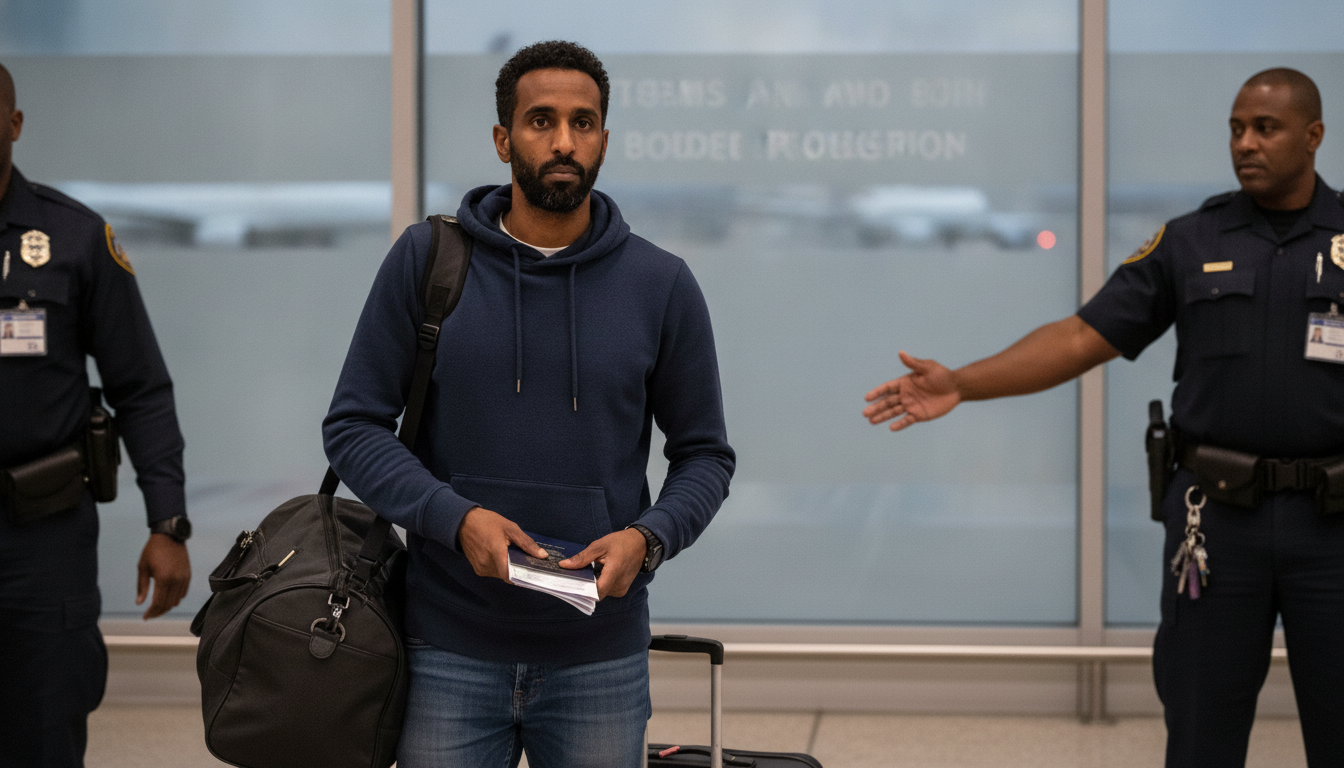
Omar Artan was refused entry to the United States ahead of the World Cup after US security checks flagged derogatory information, broadcasters reported, preventing the Somali referee from officiating at the tournament. The decision, disclosed in a CNN report citing an administration official, halted what would have been a historic first World Cup appointment for a Somali referee. Artan returned to Mogadishu to a large public reception and said he intends to continue his refereeing career with an eye on future tournaments.
US official cited ‘derogatory information’ in vetting
An official from President Donald Trump’s administration told CNN that the vetting process uncovered “derogatory information, including association with suspected members of terror organisations,” according to the broadcaster’s account. The official did not elaborate on the nature of the information or provide supporting details, the report said. The decision to bar Artan from entering the United States was presented as a security-based exclusion rather than a disciplinary action by football authorities.
The circumstances highlight the multi-layered screening that international match officials must undergo when travelling to major tournaments held in the United States. Visa and entry decisions on security grounds can be made independently of sporting appointments, and in this case the US determination superseded the referee’s tournament assignment.
Historic World Cup appointment halted
Artan had been selected to officiate at the World Cup, a milestone that would have made him the first referee from Somalia to work at football’s global finals. His inclusion in the match official roster represented an important moment for Somali football, which has struggled to gain consistent international representation amid long-standing domestic challenges. National and regional refereeing bodies had hailed his selection as recognition of steady progress in Somalia’s officiating development.
The denial of entry thus carries symbolic weight beyond one personnel change; it denied Somalia direct representation in the tournament’s officiating ranks. For the refereeing community, the incident raises questions about how national associations and international organisers coordinate with host-country visa and security procedures to safeguard appointments and ensure smooth participation.
Hero’s welcome in Mogadishu
Upon his return, Artan was greeted by more than 100 supporters at Mogadishu’s main airport, where people gathered outside the VIP area waving national flags. Supporters and colleagues applauded and cheered as he disembarked from his flight, reflecting strong public interest in his World Cup selection. Local media and officials portrayed the reception as a demonstration of national pride in his achievement despite the setback.
Artan told journalists upon arrival that he remained undeterred and committed to representing Somalia on football’s biggest stages going forward. He said he plans to pursue future World Cup appointments and continue his development as a top-level match official, framing the US decision as a temporary obstacle rather than an endpoint for his refereeing ambitions.
FIFA and organisers’ silence and procedural implications
The CNN report did not include a public response from FIFA or detailed comment from tournament organisers about the removal of Artan from the match official list. Typically, FIFA and local organising committees are responsible for assigning referees and coordinating logistics, while visa approvals and security screenings fall under national authorities. That separation of responsibilities can create gaps when host-country actions affect individuals formally appointed by international sporting bodies.
The absence of a clear statement from football’s governing bodies in the immediate aftermath leaves unanswered questions about whether alternative arrangements were considered or if any appeals were possible. For match officials who rely on international travel to fulfil assignments, clarity on the interface between sporting appointment and sovereign security decisions is essential to protect careers and ensure tournament integrity.
Security vetting and diplomatic sensitivities
Visa and entry screening for large international events is often stringent, and host nations reserve the right to bar individuals on security grounds. Officials involved in these processes typically cite classified or sensitive intelligence when explaining exclusions, and public authorities do not always disclose details for operational reasons. That practice can create tension when exclusions affect high-profile, non-political individuals such as sports officials.
The case of Artan is likely to be watched closely by national associations and diplomats, particularly where a decision affects representatives from countries with limited overseas exposure. It underscores how security vetting can have broader diplomatic and cultural repercussions, prompting calls for clear channels of communication between host governments, international federations and the nations of affected individuals.
Impact on Somali football and refereeing development
Somalia’s football community framed Artan’s selection as evidence of growing professionalism among its referees and a sign of progress for the sport domestically. Losing the opportunity for representation at a World Cup can be demoralising for a small federation that invests in training and international accreditation to lift standards. At the same time, the public reception in Mogadishu illustrated local recognition of the achievement and a continued appetite for international engagement.
Local referee development programmes may now face renewed pressure to support candidates’ international mobility, including education on visa procedures and engagement with diplomatic channels. Somali officials and partners might also seek clearer assurances from international bodies to minimise the risk of similar incidents in future tournaments.
Global refereeing bodies frequently emphasise impartiality and merit in appointments, and officials reciprocate with a commitment to neutrality on the field. When external factors such as travel restrictions prevent an appointed referee from participating, it complicates the narrative of selection based solely on sporting criteria and may prompt a reassessment of contingency planning by governing bodies.
Final paragraph
Omar Artan’s exclusion from the World Cup on security grounds, as reported by CNN, illustrates the intersection of international sport and national security policy, and it raises practical and symbolic questions for Somali football and the wider refereeing community as they look ahead to future tournaments.