2026 World Cup Upsets, Fan Frenzy and Controversy Define Knockout Stage
The 2026 World Cup delivers dramatic upsets, viral fan scenes, VAR controversies and emotional coaching moments as the knockout rounds reshape the tournament.

The 2026 World Cup entered its knockout phase with an intensity that has surprised fans and pundits alike, producing a string of unexpected results and headline-making incidents. From underdog nations upsetting established powers to stadiums erupting with theatrical supporter displays, the tournament has become as much about culture and emotion as it is about goals. The knockout rounds have crystallized a pattern: this edition will be remembered for its unpredictability and off-field spectacle as much as for its record-breaking statistics.
South Africa’s Run Energizes the Continent
South Africa’s national team, Bafana Bafana, advanced beyond the group stage and captured attention across Africa for a series of composed performances and spirited displays. The side combined pragmatic defending with opportunistic finishing, and its progress has been celebrated as a marker of growing depth in African international football. Players and officials have highlighted the run as a unifying moment back home and across the continent, with pride amplified by large expatriate followings in host cities.
The team’s success has prompted renewed debate about investment in domestic leagues and youth development across African federations, with several coaches citing South Africa’s tactical discipline as a model. Analysts note that Bafana’s combination of experienced pros and emerging talents created balance at a tournament where many traditional powers have stumbled. The result has also increased scrutiny on how continental confederations support teams ahead of global events.
Underdogs and Upsets Reshape the Bracket
The knockout bracket has been repeatedly redrawn by surprise results, as lower-ranked teams executed bold game plans and capitalized on single moments of brilliance. Several matches this edition were decided by late goals or penalty shootouts, underscoring how fine the margins have become in 2026. The surge of upsets has forced favorites to adapt quickly, altering tactical approaches and squad selections from one round to the next.
Those shocks have opened the door for novel narratives and unexpected matchups, turning the tournament into a platform for lesser-known players to seize the spotlight. Scouts and club executives watching from host cities and remote markets have taken note, with transfer-season discussions beginning earlier than usual. For fans following from afar, the unpredictability has produced a flurry of online debate and viral clips that keep drawing new audiences to the tournament.
Fan Culture and Host Cities Burst into Life
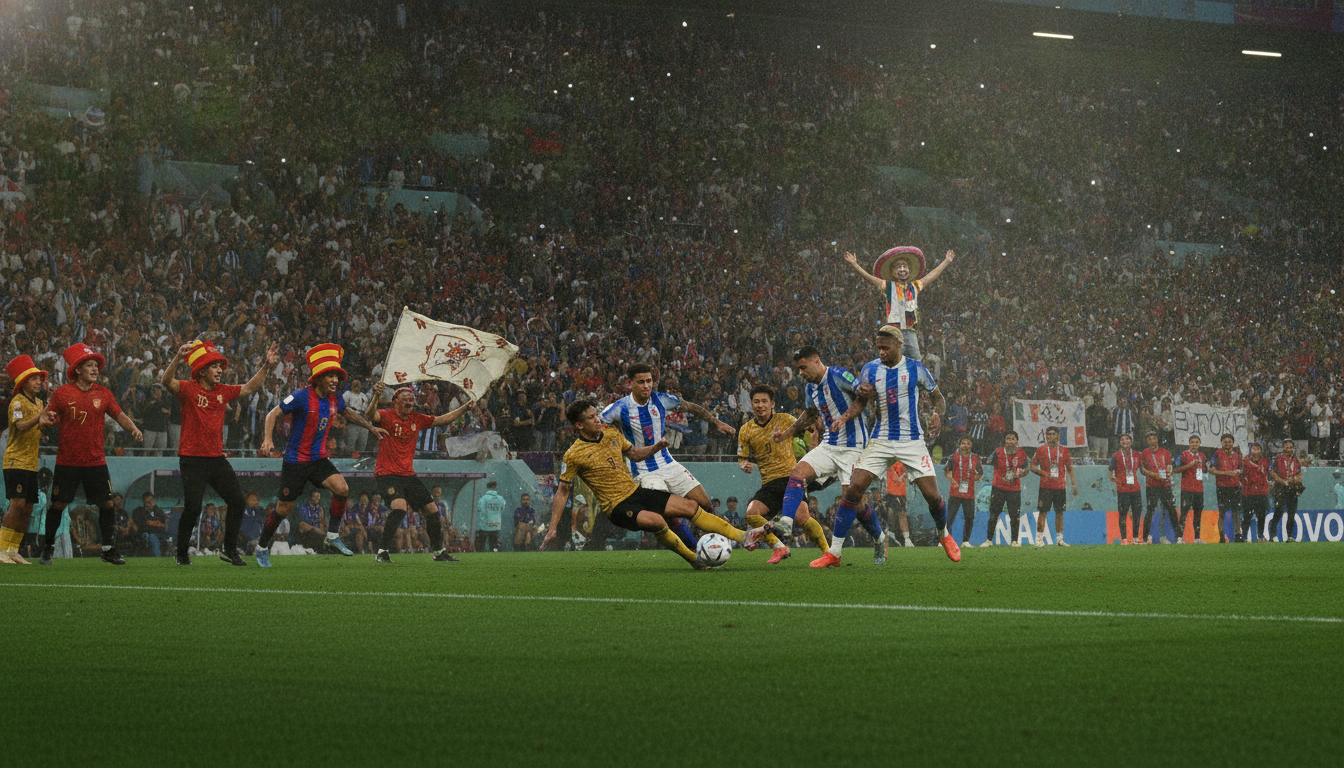
Across the United States, Canada and Mexico, host cities have been transformed into vast carnival-like scenes where supporters of every nation create distinct, sometimes theatrical displays. Streets outside stadiums regularly fill with choreographed chants, costumes and spontaneous processions that have at times overshadowed the matches themselves. Local economies report spikes in tourism spending while municipal authorities balance crowd management with efforts to preserve the celebratory atmosphere.
The scale and creativity of fan culture at the 2026 World Cup have also produced moments of excess and controversy, from pitch intrusions to provocative banners that have required official intervention. Organizers and law enforcement have stepped up measures around high-profile fixtures, emphasizing safety without dampening supporter expression. Merchandisers, street performers and pop-up cultural events have further underscored how the tournament has become a regional festival as well as an international sporting competition.
VAR and Controversial Decisions Spark Intense Debate
Video Assistant Referee interventions and marginal offside calls have dominated post-match conversations, with several knockout games featuring pivotal VAR reviews that changed outcomes. Coaches and federation officials have publicly questioned consistency in the application of offside technology, calling for clearer standards and greater transparency in the decision-making process. The intensity of criticism reflects the stakes: when a single review can determine progression, confidence in officiating becomes a central concern.
FIFA and match officials have defended the technology while acknowledging the need for refinement, and discussions are already underway about how to improve communication with supporters and broadcasters. Analysts argue that the frequency of contentious decisions this tournament exposes deeper questions about interpretation and human oversight. For teams, mastering the psychological fallout from a disputed call has become as important as tactical preparation.
Coaches and Players Display Raw Emotion on the Sideline
The 2026 World Cup has produced numerous moments of visible emotion, with managers and players alternating between exuberant celebration and public displays of anguish. Sideline reactions—from impassioned team talks to tearful embraces—have been captured and replayed worldwide, humanizing high-level competition for millions of viewers. Those scenes have reinforced the personal stakes for coaches leading nations and for players whose careers may pivot on a single knockout result.
Several high-profile coaching figures have been lauded for their composure under pressure, while others faced scrutiny for heated exchanges with officials or for tactical gambles that failed to pay off. Players have similarly experienced wide swings of fortune, with veterans offering mentorship in dressing rooms and young stars coping with sudden global attention. The personal narratives that unfold in these moments add a layer of drama that extends beyond the pitch and into national conversations.
Broadcasting Challenges and the Time-Zone Divide
The tournament’s continental footprint posed unique broadcasting challenges, with matches staged across multiple time zones that affected live viewing experiences worldwide. Fans attending games in the host nations enjoyed direct access to live spectacles, while audiences in regions such as West Africa and Eastern Europe often watched replays or late-night broadcasts. That divide has shaped how stories spread, with social media filling gaps and amplifying highlights for viewers who cannot tune in live.
For journalists and media organizations, coordinating coverage across the United States, Canada and Mexico required complex logistics, including satellite feeds and staggered programming. Advertisers and rights holders adapted plans to account for varying prime-time windows, and streaming platforms saw accelerated innovation in highlights packages. The disparity in live access has also intensified conversations about the global calendar and the need for more considerate scheduling in future tournaments.
The 2026 World Cup has evolved into a tournament whose legacy will likely be defined as much by cultural spectacle and controversy as by results on the scoreboard. As the knockout rounds progress, the competition continues to test the resilience of favorites, the creativity of underdogs, and the capacity of organizers to manage a massive, multi-nation event. Fans, federations and officials will now turn their attention to the next fixtures with equal measures of anticipation and apprehension.