Bundesliga attendance soars to record 21.4 million in 2025/26 DFL spectator report
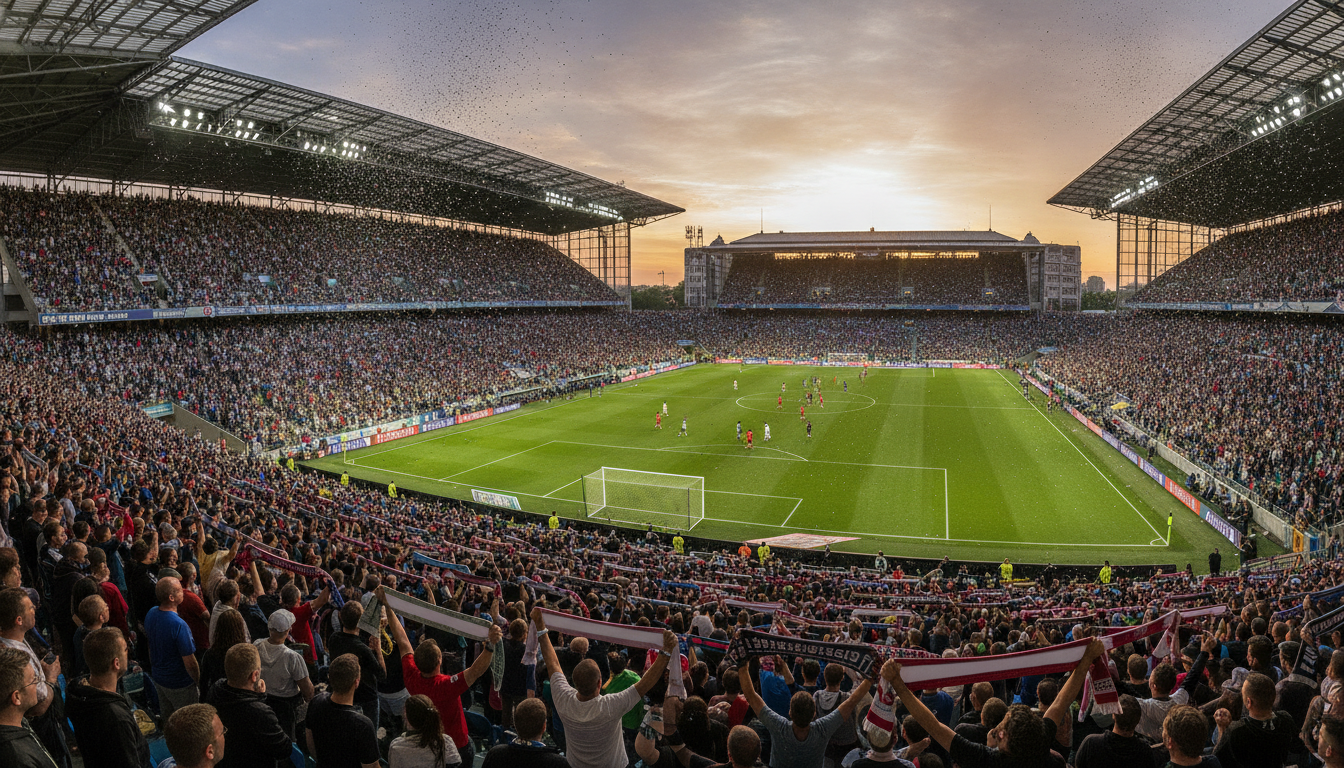
Bundesliga attendance hit a new high in 2025/26, with 21,404,258 tickets issued across the Bundesliga and 2. Bundesliga, the DFL spectator report shows.

Record season for Bundesliga and 2. Bundesliga ticket distributions
The DFL’s latest spectator report shows German professional football distributed a combined 21,404,258 tickets during the 2025/26 campaign, setting a new benchmark for the top two divisions. This total, which counts complimentary and honorary admissions, translates to an average of 34,974 tickets per fixture across the 36 clubs.
The surge reflects both growing matchday demand and the return of high-profile clubs to the top flight, while also underlining how stadium size and supporter bases shape aggregate figures. The published numbers mark the strongest attendance season recorded across the Bundesliga and its second tier.
Top-flight attendance leaders and occupancy rates
In the Bundesliga, 12,718,097 tickets were issued, lifting the average attendance to 41,562 per match from 38,082 the previous season. Borussia Dortmund remained the standout, averaging nearly 80,000 spectators at Signal Iduna Park, while Bayern Munich and newly promoted Hamburg also posted very high home crowds.
Stadium occupancy across the top flight edged up to 96.1 percent, with several clubs registering full houses on average. Union Berlin, Bayer Leverkusen, Bayern Munich and St. Pauli recorded 100-percent occupancy rates, and a further dozen Bundesliga sides filled over 90 percent of available capacity.
2. Bundesliga totals dip after promotions of major clubs
The second tier distributed 8,686,161 tickets in 2025/26, producing an average crowd of 28,386 per game, down from 30,493 the year before. The drop largely reflects the promotion of large-market clubs, a shift that removed significant drawing power and seating capacity from the division.
Schalke 04 led the 2. Bundesliga’s attendances with crowds exceeding 61,000 on average, followed by Hertha Berlin and Kaiserslautern who also posted substantial home numbers. Some clubs benefited from renovation constraints or temporary capacity changes that influenced occupancy statistics, with smaller venues sometimes reporting near-capacity gates as a result.
Ticket price increases and matchday cost trends
The record attendances came despite another round of ticket price rises in the Bundesliga. Average match tickets in the top flight cost €30.77 over the season, up from €28.78 a year earlier, a figure that incorporates value-added tax and contributions toward local public transport where applicable.
Seated tickets rose to an average of €37.14 while standing areas saw a modest increase to €12.27. Supporters in the second division paid approximately €24.34 on average, marginally below the prior season’s level, indicating a persistent price gap between the two tiers but steady demand across both.
Commercial and sporting implications for clubs and the league
Higher attendance figures bolster matchday revenue streams and strengthen clubs’ commercial positioning when negotiating sponsorships and hospitality deals. Sustained crowd numbers also enhance home-field advantages and reinforce the visibility German clubs command in domestic and international markets.
For broadcasters and rights holders, the audience uplift supports argumentation for continued investment in the leagues, especially when combined with ticketing revenue and sponsorship returns. Clubs will likely continue to refine pricing structures, membership benefits and loyalty programmes to balance revenue with long-term fan retention.
What promotions and stadium dynamics mean for 2026/27
The coming season is poised to see further attendance shifts as promoted and relegated teams reshuffle stadium capacities and regional fan interest. Schalke 04’s return to the Bundesliga is expected to push aggregate attendance higher again, given their large stadium and established support base.
Other factors that will influence next season’s figures include stadium renovations, temporary capacity reductions, fixture scheduling and any changes to ticket allocation policies. Clubs with consistently high occupancy may explore incremental price or hospitality changes, while those with spare capacity could boost marketing and community outreach to close gaps.
Attendances in Germany also remain strong in comparative European context; the Bundesliga’s average comfortably outpaced notable leagues such as La Liga and Serie A during the same period. That comparative strength reinforces Germany’s reputation for vibrant matchday atmospheres and high fan engagement.
The DFL report’s figures underline the resilience of live football demand in Germany and spotlight how club fortunes, stadium size and pricing strategies combine to shape season-by-season attendance outcomes.