Hong Kong Football Festival Draws Elite Clubs as City Becomes a Premier Asian Pre-season Hub
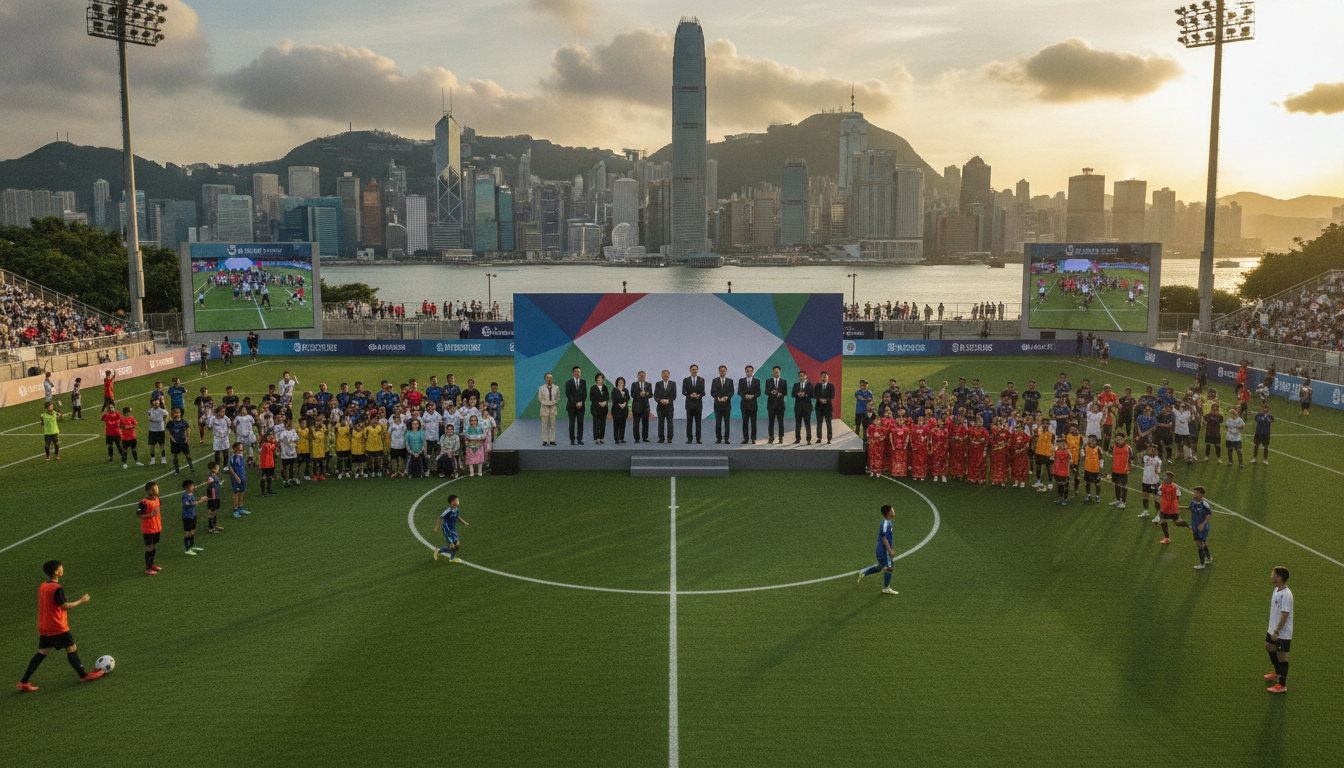
Hong Kong Football Festival returns as a key pre-season stop, with top European clubs using the event to reconnect with Asian fans and expand commercial ties. The Hong Kong Football Festival has become central to clubs’ Asia strategies, combining on-pitch fixtures with large-scale fan activations and local economic benefits.

Elite clubs put Hong Kong on their pre-season map
Manchester City, Chelsea, Juventus and Inter Milan elected to include Hong Kong in their warm-up schedules, reflecting a broader trend of major European teams turning to city-based festivals in Asia. These appearances deliver competitive minutes for squads while prioritizing commercial outreach and supporter engagement across the region. For the clubs involved, the festival offers a concentrated way to test new players, refine tactics and stage high-profile encounters away from Europe.
The presence of multiple marquee names in a short window amplifies media attention and local interest, creating a packed calendar of friendlies that feel more like a tournament than isolated exhibition matches. Organizers have capitalized on that momentum to add community events, pop-up shops and branded experiences that extend the impact beyond the stadium. The festival’s structure makes Hong Kong attractive for teams seeking intensive, short-term exposure to Asian markets.
Festival format and promoter strategy
Promoters TEG Sports are coordinating fixtures across several territories this pre-season, overseeing a schedule that spans multiple matches and locations to maximize reach. Hong Kong is one of seven regions forming part of that wider itinerary, with the festival acting as a focal point within the Asian leg of a summer tour circuit. The concentrated schedule—dozens of matches staged across days—allows clubs to remain competitive while delivering repeated touchpoints for fans.
The festival model deliberately blends sport and commerce, pairing on-field contests with commercial activations that generate revenue and audience engagement. That integrated approach has encouraged clubs to treat the week as more than training; it becomes a revenue-generating tour stop that strengthens local partnerships and merchandising channels. For cities like Hong Kong, the promoter-driven model brings predictable scheduling and high-calibre opposition that local organizers can market effectively.
Local economic and community impact
Last year’s festival injected HK$437 million (about US$56 million) into the local economy, a figure that underlines the event’s significance beyond sport. The financial boost stems from ticket sales, hospitality, retail and tourism-related spending tied to the matches and associated activities. Pop-up stores, fan zones and matchday hospitality generate short-term employment and heightened commercial activity across hospitality and retail sectors.
Beyond the immediate economic figures, the festival also re-energizes grassroots interest and youth participation by creating visible inspiration for aspiring players and fans. Community clinics, fan meet-and-greets and school outreach programs run alongside exhibition matches, offering legacy benefits that extend past the 180 minutes played on the pitch. Local businesses and cultural partners often report increased foot traffic and heightened international exposure during the festival week.
Clubs’ commercial calculus and the China factor
Clubs continue to view Hong Kong as a strategic gateway to mainland China, particularly at a moment when direct hosting opportunities on the mainland have become less predictable. For many European teams, a well-executed stop in Hong Kong provides access to a dense base of regional supporters and media, while allowing clubs to maintain visibility across Greater China without the regulatory and logistical challenges of mainland venues. That positioning has made Hong Kong an attractive alternative for clubs seeking to broaden Asian revenue streams.
Inter Milan’s commercial leadership has been explicit about the regional priorities. Giorgio Ricci, Inter’s chief revenue officer, told the South China Morning Post that despite the club’s high followings on Chinese social platforms, there remains a visibility gap that in-person events in Hong Kong can help close. Clubs see live fixtures and physical activations as complementary to social-media reach, converting online followers into ticket buyers, merchandise customers and longer-term fans.
Sporting outcomes and fan engagement on the ground
On the opening day of Hong Kong’s schedule, Inter edged Manchester City on penalties in one of the festival’s marquee fixtures, delivering a competitive spectacle that energized local supporters. Results on the field matter to watching fans, but the broader festival experience—stadium atmosphere, fan zones and branded pop-ups—often leaves the most lasting impression for local attendees. Organizers and clubs measure success by both matchday impact and the scale of off-field engagement.
Fan activations have included retail tie-ins such as the Manchester City pop-up at Kai Tak Mall, which drew crowds and visible consumer interest. These physical touchpoints provide immediate revenue streams and reinforce club presence in a crowded digital landscape. For supporters in Hong Kong, the chance to buy official merchandise, attend autograph sessions and participate in interactive events creates a deeper, more personal connection than social-media interaction alone.
Looking ahead: sustainability and legacy ambitions
Festival organisers and city stakeholders now face the task of converting short-term gains into sustainable, long-term benefits for Hong Kong’s sporting calendar. Continued collaboration between local authorities, promoters and clubs will be required to ensure the festival remains commercially viable and culturally relevant. Planners are under pressure to maintain high standards of fan experience, to balance commercial imperatives with community access, and to ensure the event complements rather than crowds out local football development.
For European clubs, the challenge is to keep delivering compelling itineraries that justify travel and scheduling costs while producing measurable returns on brand visibility and revenue. If the festival can evolve to offer repeatable commercial value alongside meaningful community programs, it stands a strong chance of entrenching Hong Kong as a core stop on future pre-season circuits. The balance between sporting competitiveness and commercial activation will determine whether the event grows into a long-term fixture on the global football calendar.
The Hong Kong Football Festival has matured into an event that blends high-profile friendlies with targeted commercial strategies and local economic impact, offering clubs and the city a reciprocal platform for engagement and growth. As European teams continue to refine their Asia strategies, Hong Kong’s role as a regional gateway could prove decisive in shaping where clubs stage their summer showcases and how they build the next generation of fans.