2026 Division I college soccer season preview: start dates, transfers, conference races and breakout players to watch
2026 Division I college soccer season preview: start dates, top programs, transfer portal impact, conference races and breakout players in men’s and women’s DI.

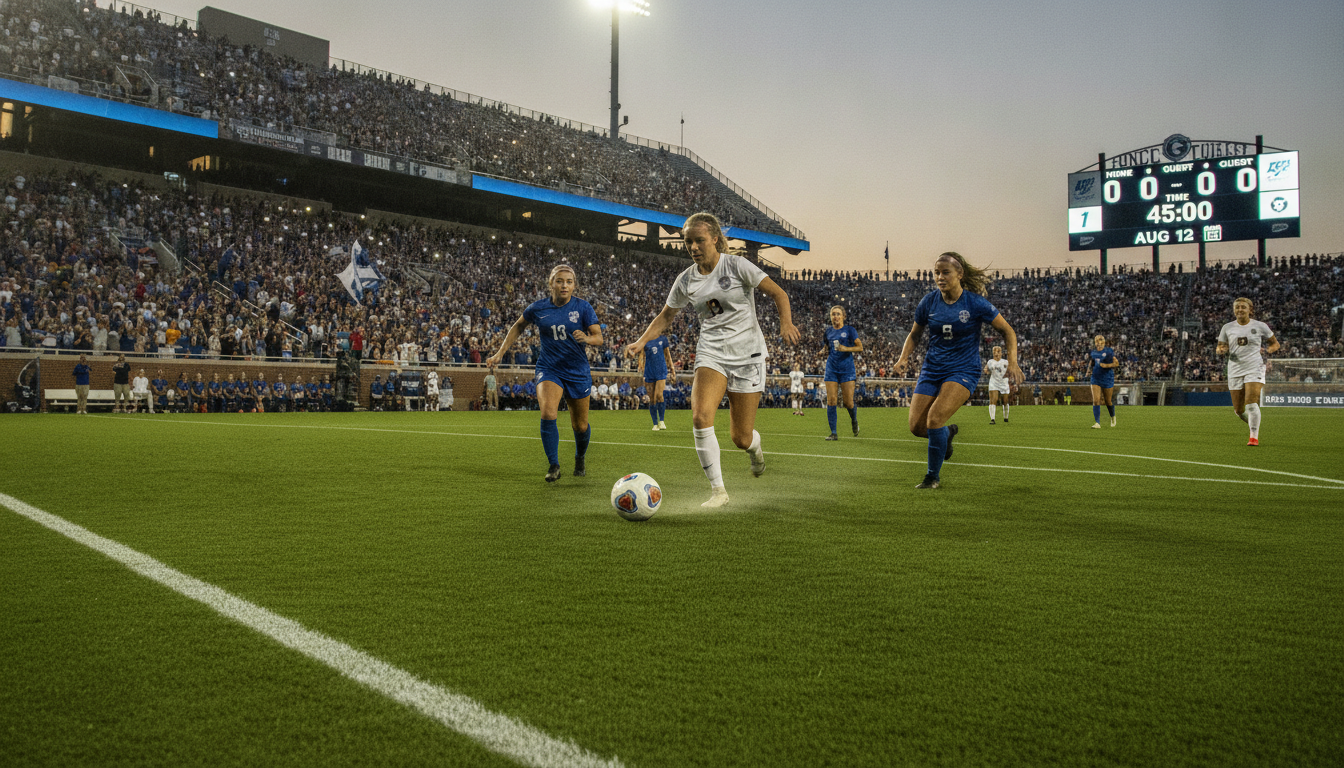
The 2026 Division I college soccer season opens with the women’s programs kicking off their campaigns on August 12, 2026, while the men’s teams follow a week later on August 19, 2026. Expectations are high as established powers and emerging programs prepare for a fall defined by transfer portal movement, highly ranked recruiting classes and a congested slate of conference matchups. Coverage this year will lean heavily on previews, transfer trackers and breakout lists to map the races for conference crowns and national relevance.
Season Schedule: Women’s Kickoff August 12, Men Begin August 19, 2026
The women’s Division I season officially begins on August 12, 2026, marking the start of a condensed and intense calendar that will stretch through conference play into November. Many programs open with nonconference tournaments and marquee early-season matchups meant to test depth and chemistry after a busy summer of roster turnover. The men’s Division I season follows on August 19, 2026, giving coaches one more week to finalize lineups, integrate new recruits and evaluate the impact of summer transfers.
Both leagues will see teams balance early-season ambition with long-term workload management, especially programs with international signees joining midterm. Expect scheduling strategies that prioritize quality nonconference opponents for resume-building ahead of NCAA Tournament selection. Television and streaming windows will also shape when and how key matchups are staged across the opening weeks.
Preseason Storylines: Transfer Portal, Recruiting Classes and Coaching Changes
The transfer portal remains the central storyline entering the 2026 Division I college soccer season, reshaping rosters across power conferences and mid-major leagues. Transfer tracker lists and portal rankings will be crucial to assessing which teams improved most in the offseason and which programs took notable losses. Coaching staffs that leaned successfully on the portal could see immediate elevation in competitiveness, while programs that focused on incoming recruiting classes aim for sustained success.
Recruiting class announcements and preseason top-100 lists set expectations for freshmen who can contribute right away, including several international signees expected to make an impact. New coaches and staff turnover in both the men’s and women’s games introduce tactical variability; teams with fresh leadership will be monitored closely for early signs of adaptation. Preseason awards and Player of the Year conversations will form a running narrative as coaches and analysts gauge returnees against incoming talent.
Power Conferences and National Contenders to Monitor
Several conferences enter the season with stacked fields and national title expectations, magnifying every early result. The ACC, Big Ten, Big 12, Pac-12 and SEC on both the men’s and women’s sides are projected to supply multiple NCAA Tournament contenders. Conference previews across these leagues underline depth of talent, intensive rivalries and the potential for high-stakes matchups that will determine seeding and national perception.
Key midweek and weekend clashes in these power conferences should influence national rankings and postseason projections, particularly matches between programs that augment rosters via the transfer portal. Goalkeeping stability and defensive organization will be highlighted in preseason assessments, with offensive production and roster depth serving as tiebreakers in long conference campaigns. Analysts will track not only headline teams but also programs that show consistent results against ranked opposition.
Mid-Major Races and Conference Upsets Expected
Beyond the power conferences, the 2026 Division I college soccer season promises lively races in conferences such as the American Athletic, Mountain West, Atlantic 10, WCC and Conference USA. These leagues often produce surprise NCAA qualifiers and teams capable of pulling upsets in the postseason. Conference previews emphasize parity in many mid-major leagues, where a handful of transfers or a breakout freshman can swing a title race.
Coaches in these conferences frequently build rosters with targeted portal additions and international recruits, meaning midseason form can differ markedly from preseason expectations. Look for teams with veteran leadership and strong set-piece records to outperform preseason projections. Upsets against power-conference opponents in nonconference play will remain a key metric for evaluating mid-major strength early in the season.
Breakout Players, International Freshmen and Position Battles
Lists of breakout candidates and international signees highlight who could alter team fortunes in 2026, and the offseason scouting has emphasized attackers capable of producing goals as well as resilient defenders and goalkeepers. Breakout expectations often land on sophomores or transfers who earned opportunities last season but enter 2026 poised to assume larger roles. Freshmen from abroad and domestic high school standouts will be woven into rotation plans, with some projected to make immediate contributions.
Special attention will fall on positional battles that determine playing time: central midfield pairings that control tempo, forward tandems that convert chances, and goalkeeper competitions that stabilize the back line. Preseason award conversations and Player of the Year races will evolve as these individuals accumulate minutes and produce results against quality opposition. Scouts and analysts will use early-season fixtures to recalibrate rankings and awards lists.
Coverage Tools: Transfer Tracker, Portal Rankings and Conference Previews
Comprehensive season coverage will be anchored by regular update tools: transfer trackers, final portal rankings, recruiting class reports and detailed conference previews. These features will provide ongoing context to roster construction, highlight coaching moves and map out breakout candidates across every conference. Preseason top-100 lists and award projections will be updated as the first weeks of play shed light on form and lineup choices.
Fans and observers should expect in-depth game previews, weekly power rankings and midseason examinations of which programs have converted offseason promise into on-field results. Statistical tracking of goals, expected goals, shutouts and possession metrics will supplement narrative reporting, offering quantitative backing for trends and upsets. Coverage will also aim to spotlight lesser-known players and programs that earn postseason berths through sustained performance.
The season ahead will test roster construction, coaching adaptability and player development across both the women’s and men’s Division I landscapes. After two months of nonconference play, teams will enter the heart of conference schedules with clearer pecking orders and postseason aspirations. The 2026 Division I college soccer season will be defined by which programs harness transfer portal gains, integrate recruiting classes effectively and develop breakout talent into consistent contributors.
This campaign promises a blend of predictable elite contenders and surprise challengers, with conference races likely to remain fluid into October and November. As rosters stabilize and leaders emerge, the narrative will sharpen around who can sustain form under the pressure of conference play and selection metrics. The coming weeks will reveal which teams and players will shape the conversation on the road to the NCAA tournaments.