Harambee Starlets captain defends coach Beldine Odemba after WAFCON exit
Harambee Starlets captain Mwanahalima Adam defends coach Beldine Odemba after WAFCON exit; FKF to review campaign as team pivots to Olympic qualifiers.


Starlets captain places responsibility on players not coach
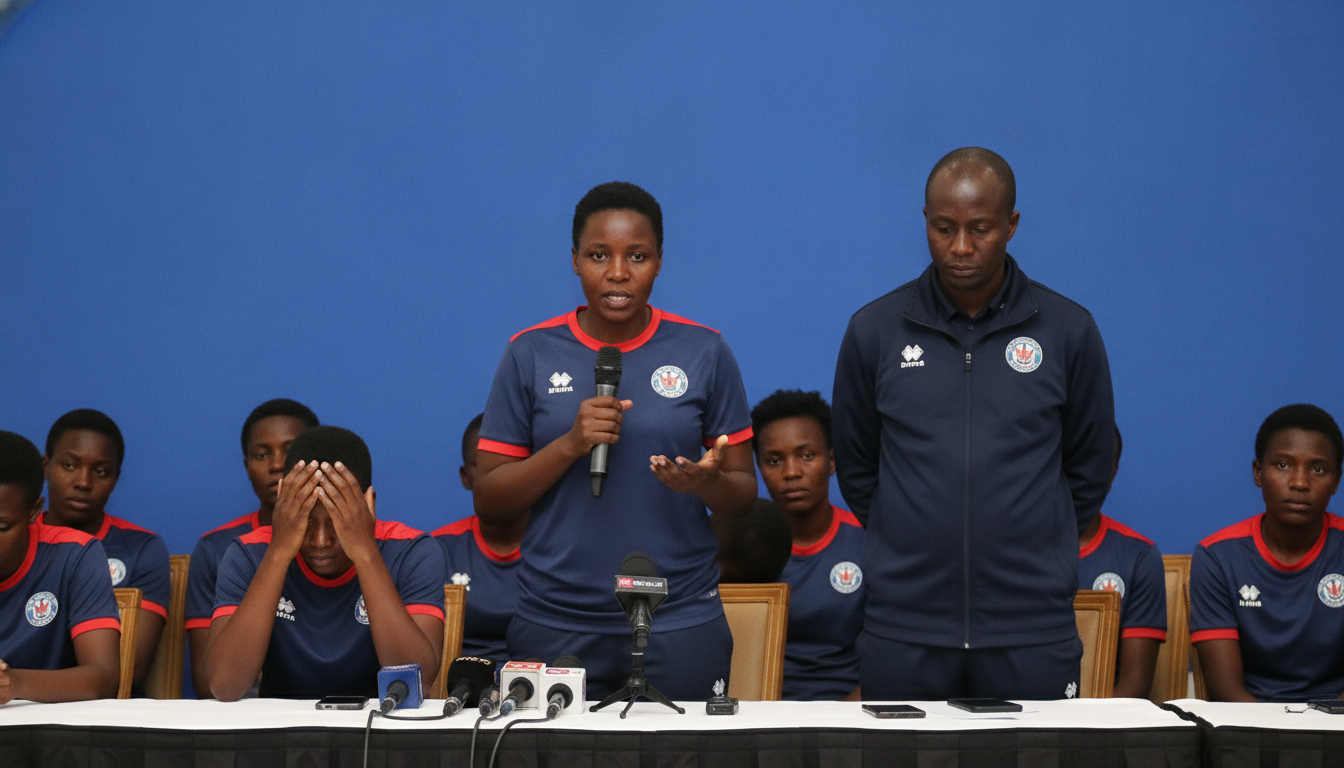
Harambee Starlets skipper Mwanahalima "Dogo" Adam told reporters that responsibility for the team’s disappointing Women’s Africa Cup of Nations campaign rests with the playing group rather than head coach Beldine Odemba. Adam said the technical staff provided instructions and a plan, but the players failed to execute those directives on the pitch. She insisted the coach could not be held solely accountable because it was ultimately the players who must deliver during matches.
Adam’s remarks come amid growing public criticism and calls for accountability following a winless run in Group A at WAFCON in Morocco. The statement from the captain frames the current moment as one in which the squad must confront its own shortcomings before assigning external blame. Her stance adds a player-led perspective to an unfolding debate about how to respond to the early exit.
Starlets suffered decisive group-stage defeats
Kenya lost all three group matches at the tournament, falling 4-0 to Morocco before narrow defeats to Senegal and Algeria by 1-0 and 2-0 respectively. Those results left the Starlets bottom of Group A and eliminated them from contention for an extended run in the continental competition. The scorelines and match reports pointed to defensive lapses and a failure to convert promising sequences into goals.
Observers cited a combination of tactical naivety in key moments and lapses in individual concentration as contributors to the poor results. Opponents exploited space and transitions, while Kenya struggled to maintain sustained pressure in the attacking third. The collective consequences were stark: confidence eroded as the tournament progressed and opportunities to salvage momentum were missed.
Captain describes team and public grief
Adam acknowledged the public’s anger and disappointment, saying fans have expressed sharp criticism online and elsewhere while stressing that players share that pain. She told media that the squad is "hurting" and that the only realistic response is to work harder and prepare for the next opportunity. The captain emphasized accountability at both individual and collective levels and called for constructive response rather than simply assigning blame.
The emotional toll on the players was visible in post-match interviews and team photographs, where fatigue and frustration were apparent. Adam urged supporters to remember the human element behind the results while also recognizing the need for corrective action. Her comments sought to balance acceptance of criticism with a call for measured assessment during the federation’s forthcoming review.
Football Kenya Federation signals measured review
Senior figures at the Football Kenya Federation have confirmed that the WAFCON campaign will be subject to a formal post‑mortem rather than an immediate public sacking or hasty decisions. FKF leadership, including president Hussein Mohammed, said the federation intends to hold a sit-down to assess what went wrong, examine challenges encountered, and identify lessons before making a determination about the coaching position. That procedural approach suggests the federation will weigh context and evidence rather than react impulsively.
Federation officials also face political and practical considerations in any decision about the technical bench, including the timing of upcoming qualifiers and the stability of the national program. The FKF must balance public pressure with long-term planning, contract terms, and the availability of alternatives if a change is recommended. The careful wording from the top brass indicates officials want to complete their internal diagnostics before a final announcement.
Calls for change contrasted with potential path to redemption
After Kenya’s exit, some quarters called for Odemba’s removal, citing the results and perceived tactical shortcomings, while others argued that the issues run deeper than a single coach. Critics pointed to organization, player selection and preparation as systemic factors that contributed to the outcomes. Supporters of Odemba counter that coaches require time and continuity to implement structures, and that immediate dismissal would risk further disruption ahead of critical fixtures.
The federation’s review window creates the possibility for either a managerial change or a renewed mandate tied to concrete performance targets. For Odemba — a former Kenya Police Bullets coach — the approaching Olympic qualifiers represent a clear opportunity for redemption should she remain in charge. That dual trajectory means stakeholders must decide whether continuity or fresh leadership offers the best chance to rebuild confidence and competitive form.
Road ahead focuses on Olympic qualifiers and rebuilding
With attention shifting from WAFCON to qualification for the 2028 Los Angeles Olympic Games, the Starlets face a compressed calendar of selection, planning and tactical work. The team will need to address defensive organization, attacking cohesion and fitness if it is to respond successfully in regional qualifying rounds. Any rehabilitation plan will likely include intensified training camps, a review of player roles, and clearer match-day instructions tied to measurable targets.
Rebuilding will also involve managing player morale and public expectations while the FKF completes its review. Youth development and scouting may gain renewed emphasis as the federation looks to broaden the talent pool and add depth to key positions. Practical steps such as friendly fixtures, specialist coaching and psychological support could form part of a comprehensive recovery program aimed at ensuring the Starlets are better prepared for the next major test.
The players, coaching staff and federation now enter a period of scrutiny and planning that will shape Kenya’s short-term international calendar. The choices made in the coming weeks — whether to retain or replace personnel, and how to structure preparation — will determine whether the Starlets can translate lessons from Morocco into improved results. Ultimately, the campaign’s fallout has created pressure but also a clear roadmap for action as Kenya seeks to rebuild and refocus on future qualification targets.