Arsenal defence through two eras: from Campbell and Touré to Saliba and Gabriel
Examining Arsenal defence evolution from Wenger’s 2003–06 backline to Mikel Arteta’s 2026 setup, profiling Saliba, Gabriel and the club’s full‑back options.

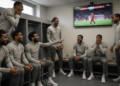
Arsenal defence has been reshaped across decades, with a clear line from the defensive core of the early 2000s to the centre‑back partnership anchoring the club in 2026. The current pairing of William Saliba and Gabriel has become the platform for title ambitions, while the memory of Sol Campbell and Kolo Touré under Arsène Wenger remains a benchmark for solidity. This article traces that progression, outlines the personnel available to Mikel Arteta and examines how changes in personnel and tactics have redefined the Gunners’ defensive identity.
Wenger era centre‑backs Campbell and Touré
Sol Campbell’s move from Tottenham in 2001 remained controversial but ultimately influential for Arsenal’s back line. Campbell went on to win two league titles and three FA Cups with the club and was a defining presence during the Invincibles season. Beside him, Kolo Touré was converted by Wenger from a midfield prospect into a commanding central defender who combined pace and anticipation. Together they anchored a side that played with a defensive resilience uncommon for its era and set high standards for subsequent Arsenal defences.
Full‑back contributors from the early 2000s
Ashley Cole is widely regarded as one of the Premier League’s all‑time best left‑backs and featured in both Arsenal’s 2003–04 invincible campaign and Chelsea’s prolific 2009–10 attack. At right‑back, Emmanuel Eboué became a cult figure for his forward energy and dependable displays between 2005 and 2011. Those full‑backs provided width and balance, allowing the central pairing to focus on organization and recovery. Their combination of defensive work and attacking support helped define Wenger’s philosophy of fluid, ball‑playing defending.
Saliba and Gabriel as the modern bedrock
In 2026 the defensive identity centers on French centre‑back William Saliba and Brazilian defender Gabriel, who have developed into Arsenal’s most consistent performers. Saliba’s recovery and growth translated into consecutive Professional Footballers’ Association team of the year selections from 2023 to 2025, while Gabriel contributed seven goal involvements in the most recent Premier League campaign. Their blend of technical play, physical presence and aerial strength has placed them among the league’s most reliable partnerships.
Statistical standing and clean sheet records
Since 2000 the Saliba‑Gabriel partnership ranks second in Premier League clean sheets behind the Rio Ferdinand–Nemanja Vidić pairing, reflecting sustained defensive output. That metric underscores Arsenal’s evolution from a reactive side to one that controls the defensive phase with proactive positioning and coordinated pressing. Clean sheets have become a collective achievement at the Emirates rather than a solitary goalkeeper’s accolade, highlighting improved team structure. The comparative standing with historic duos provides context for how the current pair measure up in the modern era.
Full‑back rotation and injury contingencies
Arteta has managed full‑back options pragmatically, rotating between Riccardo Calafiori, Piero Hincapié and academy graduate Myles Lewis‑Skelly to meet tactical demands. The flexibility allows the manager to choose balance between defensive solidity and offensive overlap depending on the opponent and match context. With Ben White sidelined by injury, the club has been monitoring the recovery of Dutch defender Jurrien Timber and assessing whether he can resume at right‑back to face dynamic attackers. That depth has proved crucial in a congested calendar and in European fixtures where matchups against wide forwards like Khvicha Kvaratskhelia test concentration and technique.
Tactical shifts from Wenger to Arteta in defensive approach
Wenger’s teams were renowned for technical defenders who participated in build‑up play, while maintaining roles that prioritized cover and anticipation. Under Arteta, the emphasis has shifted towards a hybrid of high defensive line and coordinated pressing, with centre‑backs required to step into midfield and initiate attacks. This tactical evolution has increased demands on pace, ball control and decision making at the back, traits that explain why Saliba’s ball progression and Gabriel’s threat from set pieces have been so valuable. The modern Arsenal defence is thus both a continuation of the club’s ball‑playing tradition and a response to the physical and tactical realities of contemporary top‑level competition.
Arsenal’s bench and academy pieces now play a more visible role in defensive rotations, reflecting investment in youth development and strategic signings. Myles Lewis‑Skelly’s emergence as a left‑back option speaks to the club’s pathway from academy to first team and the expectation that homegrown players will step into significant roles. Riccardo Calafiori and Piero Hincapié bring international experience and different defensive profiles, giving Arteta tactical latitude. The combination of academy prospects and targeted acquisitions has created a deeper pool than in the early Wenger years.
The upcoming fixtures in domestic and European competitions will provide real tests of Arsenal’s defensive cohesion, particularly when facing quick, one‑on‑one wide attackers and high‑pressing opponents. The presence or absence of key personnel such as Ben White or Jurrien Timber could noticeably alter the team’s balance and defensive shape. Arteta’s choices will likely reflect a trade‑off between maintaining the Saliba‑Gabriel axis and adjusting the full‑back pairing to nullify specific threats in each game.
Comparisons between eras are inevitably shaped by different tactical landscapes, but the club’s continuity in prioritizing technically capable defenders links the two epochs. Wenger’s groundwork established a culture that valued clean ball circulation from the back and trusted defenders as first line creators, a philosophy that persists under Arteta. The modern interpretation places greater premium on versatility and physical readiness to press and recover quickly, but the foundational principles of composure and passing remain intact.
As Arsenal prepares for decisive matches, the spotlight on the defence is understandable and deserved. The current Saliba‑Gabriel core has earned recognition through individual awards and measurable defensive returns, while historical figures such as Campbell and Touré remain touchstones for toughness and reliability. Full‑back rotations and youth integration give Arteta tactical options, but also introduce variables that must be managed across a demanding season.
The evolution of Arsenal defence is a story of continuity and adaptation, where the club’s commitment to ball‑playing defenders meets the modern game’s physical and tactical intensity, and where established stars and emerging talents combine to form a resilient back line.