

2026 World Cup to Open in Mexico City with Shakira and Burna Boy as Hosts, Tournament Unfolds Across 16 Venues
Shakira and Burna Boy will headline the 2026 World Cup opening ceremony in Mexico City as the expanded tournament — 48 teams across 16 venues — kicks off June 11 and runs through July 19. The 2026 World Cup opens with Mexico facing South Africa at Estadio Azteca and will stage 104 matches across the United States, Canada and Mexico. (inside.fifa.com)

Ceremony and soundtrack set for Estadio Azteca
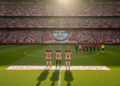
The opening ceremony on June 11 has been billed as a global music showcase with Colombian superstar Shakira joining Nigerian artist Burna Boy to premiere "Dai Dai," the official song for the tournament. FIFA and media outlets confirmed the pair among a wider list of performers due to appear at Mexico City’s Estadio Azteca ahead of the first whistle. (inside.fifa.com)
Organizers say the entertainment element is intended to reflect the cultural diversity of the three host nations while amplifying the commercial reach of the competition. The ceremony will precede the opening match — Mexico versus South Africa — at the iconic stadium, which has hosted World Cup finals and opening fixtures in past decades. (fifa.com)
Hosts, venues and the final in the New York–New Jersey region
The 2026 tournament will be staged across 16 host cities in Canada, Mexico and the United States, with the bulk of matches scheduled in the U.S. and the final set for MetLife Stadium in East Rutherford, New Jersey on July 19. FIFA’s venue plan and stadium schedules confirm the distribution of matches among the three host countries as part of the first tri-nation World Cup in history. (fifa.com)
MetLife Stadium is slated to host the final and several high-profile knockout matches, while other U.S. cities including Los Angeles, Miami, Dallas and the San Francisco Bay Area will stage rounds throughout the tournament. Mexican cities, led by Mexico City’s Estadio Azteca, and Canadian venues in Vancouver and Toronto will also play prominent roles in group-stage scheduling. (fifa.com)
Opening match, format expansion and fixture implications
The 2026 World Cup marks the first edition to feature 48 teams in a format that expands the group stage and creates a longer schedule of 104 matches. That expansion reshapes qualifying pathways and venue allocations, and organizers have adjusted local timetables and travel guidance to account for the denser calendar. (fifa.com)
The opening fixture — Mexico v South Africa on June 11 at Estadio Azteca — carries symbolic weight as well as logistical importance, with the stadium confirmed to host multiple matches and the ceremony that will launch the tournament. Media guides and FIFA’s official announcements have emphasized the Azteca’s historic role in World Cup history as a factor in selecting it for the opener. (fifa.com)
Iran’s participation and diplomatic flashpoints ahead of group games
FIFA has confirmed that Iran will participate in the tournament and that the Iranian team has been cleared to play its scheduled group-stage matches in the United States. U.S. officials announced visa approvals for the squad, though recent reports indicate tensions over ticket allocations for Iranian supporters and other diplomatic sensitivities remain in play. (apnews.com)
Tournament planners and security officials say arrangements to manage diplomatic issues and fan access have been prioritized in the run-up to matchday, reflecting the broader challenge of staging a global event amid complex international relations. The handling of these matters will be watched closely, both for their immediate operational impact and for their symbolic significance. (apnews.com)
Post‑colonial derbies and historical echoes in match pairings
Several fixtures in the group stage have acquired historical resonance as post‑colonial derbies, reviving narratives that link sport to memory, migration and identity. Matches such as France versus Senegal and England versus Ghana are likely to attract large diasporic followings in host cities and to be framed by commentators as encounters that go beyond pure sporting stakes. (fifa.com)
Organizers and local communities are preparing for heightened fan interest in those ties, and cities with significant immigrant and expatriate populations are scheduling fan festivals and transport services to accommodate demand. The pattern underlines how the World Cup can simultaneously be a sporting spectacle and a forum for larger conversations about history and migration. (bostonfwc26.com)
Boston, Gillette Stadium and early group-stage highlights
Gillette Stadium — to be called Boston Stadium for the tournament under FIFA naming rules — will host seven matches, including the early Group C opener between Haiti and Scotland on June 13. Local authorities and venue operators have published transport plans and fan guides to manage anticipated attendances and late-night travel following the match. (gillettestadium.com)
Boston’s match schedule also features high-profile games involving established European and African teams, which event planners say will generate strong regional interest and provide commercial benefits to the host area. The arrangement exemplifies how U.S. host cities across the country will combine international fixtures with local logistics and public-safety planning. (bostonfwc26.com)
Security, diplomacy and the tournament’s wider meaning
From its earliest editions, the World Cup has intersected with politics — wartime disruptions, propaganda uses by authoritarian regimes and episodes tied to racial exclusion have all left marks on the tournament’s history. The 2026 World Cup arrives amid renewed global tensions and migration debates, offering both potential flashpoints and opportunities for a high‑visibility demonstration of international cooperation. Historical precedents underscore how sporting events can be mobilized for national messaging as well as for transcendence. (en.wikipedia.org)
FIFA and host governments have repeatedly stated their intention to keep the competition focused on sport and cultural exchange, while local authorities emphasize contingency planning for protests, security incidents and diplomatic sensitivities. How those plans perform in practice will shape public evaluations of the tournament long after the final whistle in July. (fifa.com)
The 2026 World Cup is set to be both a showcase of contemporary football and a mirror for global currents, combining music and pageantry with high-stakes international competition. For the next five weeks, stadiums from Mexico City to Vancouver and MetLife to Gillette will host matches that mix athletic ambition with historical memory and large-scale public spectacle.