US Revokes Iran World Cup Tickets, Iran Football Federation Says
Iran football federation says the United States revoked its World Cup ticket allocation, blocking supporters from group-stage matches in the United States amid a deepening diplomatic row.


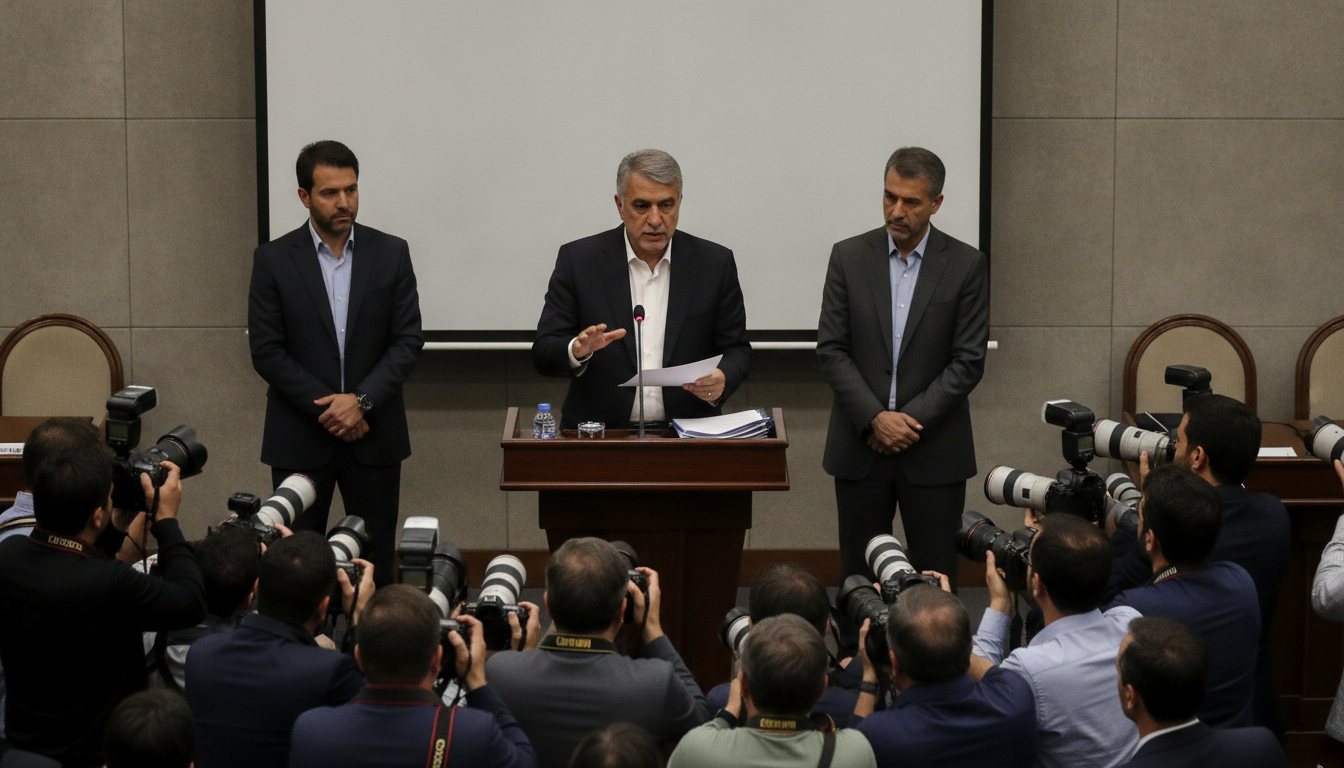
Iran World Cup tickets were effectively withdrawn by the United States days before the tournament, the Iranian Football Federation said on Tuesday, leaving supporters unable to use the quota allotted for their team’s three group matches. The federation said the allocation had already been distributed for fixtures against New Zealand, Belgium and Egypt, and some fans had completed travel preparations before the move. The statement framed the U.S. action as an obstruction to supporters’ attendance and came amid heightened political tensions following recent attacks and regional reprisals.
Iran says US withdrew World Cup ticket allocation
The federation said that under FIFA regulations it should receive eight percent of stadium tickets for each match and that those tickets are normally distributed through national federations. According to the federation’s account, that allocation was later revoked by U.S. authorities, leaving Iran unable to supply a single official ticket to its supporters. The announcement described the withdrawal as sudden and disruptive, occurring less than three days before Iran’s group-stage campaign begins.
The Iranian statement also said that ticket sales had already begun after the quota was initially provided, and that some fans had booked flights and made other arrangements. The federation characterized the withdrawal as an unexpected reversal that upended those plans. Officials framed the action as part of a pattern of bureaucratic obstacles imposed by the United States ahead of the tournament.
Federation cites FIFA quota and cancelled sales
The Iranian body invoked FIFA’s allocation practice to explain why it expected a minimum share of game tickets for its supporters. Federation officials emphasized that the quota entitles participating associations to a fixed percentage to distribute via official channels, a system intended to guarantee national fans access. By saying the allocation had been removed, the federation suggested the established process had not been respected in this instance.
Officials also made clear that ticket distribution to supporters is often paired with logistical coordination, including transport and stadium entry plans. The federation warned that cancelling its allocation undermined those arrangements and left many fans stranded. The statement did not specify whether refunds or alternative channels would be offered to people who had already purchased tickets through the federation.
Diplomatic tensions and visa denials
The federation placed the ticket withdrawal in the context of broader diplomatic friction between Iran and the United States, noting recent military strikes and ongoing hostilities. It accused the U.S. of creating “bureaucratic hurdles,” including the refusal to grant visas to some members of Iran’s support staff. Those visa denials, coupled with the ticket issue, were described as part of a campaign that restricts Iranian participation off the pitch as well as on it.
The timing of the dispute coincides with a fragile regional security picture, which officials say has affected standard tournament preparations. Iran has publicly linked the consular and logistical impediments to the diplomatic standoff, though U.S. authorities have not issued a confirming statement within the federation’s announcement. The dispute adds an extra layer of complexity to the sporting event, which had been planned months in advance.
Impact on supporters and preparations
Supporters who purchased tickets through the federation or booked travel packages now face uncertainty over refunds and travel logistics. Some fans were reported to have arranged flights and accommodation in anticipation of seeing Iran play all three group matches on U.S. soil. The federation warned that those arrangements could be rendered void by the withdrawal and urged authorities to address the immediate practical consequences for fans.
The loss of an official ticket allocation also affects the atmosphere inside venues, where national contingents often bolster team morale and provide visible support. For players, the prospect of playing in largely neutral or underpopulated stands could alter matchday dynamics. Team staff and organizers must now reassess fan engagement plans and consider alternative ways to maintain a connection between players and supporters.
FIFA rules and possible remedies
FIFA’s ticketing framework typically grants participating federations a share of tickets to ensure representation, and it is unclear how the governing body will respond to claims of allocation revocation. The federation cited FIFA practice in its statement, suggesting it will seek clarity or intervention from the sport’s world governing body. Any appeal to FIFA would likely focus on procedural transparency and adherence to established ticketing rules.
Potential remedies could include reinstating an allocation, arranging alternative distribution mechanisms, or providing refunds and compensation to affected fans. However, remedies may be complicated by overlapping authorities at national, tournament-organizing and diplomatic levels. The situation puts pressure on FIFA, tournament hosts and local authorities to offer concrete solutions quickly given the tournament’s imminent start.
Logistics at U.S. host venues and security
All three of Iran’s group-stage matches are scheduled to take place in U.S. venues, and local organizers will now need to manage ticket inventories and seating plans without the Iranian federation’s allocation. Stadium operators face logistical adjustments, including reallocating tickets and updating stadium entry lists. Organizers must also balance security protocols with fan access to ensure that matches proceed without incident.
Security arrangements have already been visible during Iran’s preparations, as the team trained in Mexico and was escorted by local security forces ahead of the journey to the tournament sites. The visible precautions reflect organizers’ and host nations’ emphasis on managing movement and protecting delegations amid a tense backdrop. Tournament authorities will need to coordinate with host cities to accommodate any changes while maintaining spectator safety and operational continuity.
Reactions from teams and tournament officials
At the time of the federation’s announcement, there was no immediate public response from U.S. tournament organizers or FIFA included in the federation’s account. Teams, players and officials tend to avoid commenting on diplomatic matters publicly, but the issue may prompt formal correspondence between federations and the tournament’s governing bodies. Any formal complaint would likely follow established dispute-resolution channels within FIFA and the tournament’s local organizing committee.
Observers note that such disputes have precedents in past international tournaments, where host-country policies or bilateral tensions have affected fan travel and accreditation. Resolution often requires rapid negotiation and clear communication among federations, consular services and organizers to prevent further disruption. The coming days will test the ability of responsible bodies to reach practical arrangements under time pressure.
The withdrawal of Iran’s ticket allocation heightens uncertainty for fans and organizers as the World Cup approaches, and raises questions about how sport and diplomacy intersect when international tensions are acute. The federation has signaled its intent to press the issue publicly, while fans and tournament authorities face a compressed window to resolve the fallout before the first whistle.