Infantino Defends World Cup Ticket Prices Amid Visa and Entry Controversies
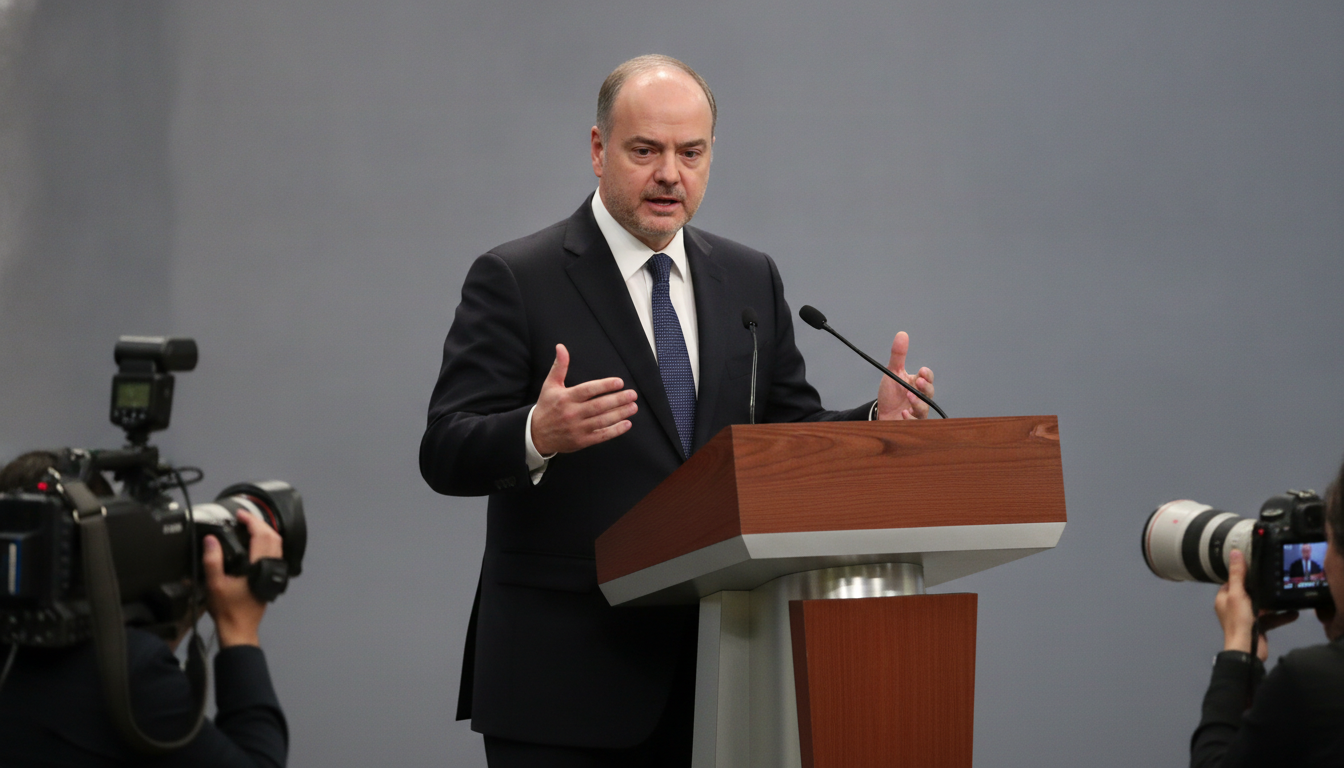
FIFA president Gianni Infantino defended World Cup ticket prices and addressed visa-related entry refusals at a Mexico City press conference ahead of the tournament’s opening match.


FIFA president Gianni Infantino held a defiant press conference in Mexico City on the eve of the World Cup opening match, directly addressing criticism of World Cup ticket prices and a string of visa denials affecting officials and supporters.
Infantino described the pricing structure as justified and highlighted a limited number of US$60 tickets and an average price he said was below US$500, while also defending FIFA’s organisation of the 48-team tournament co-hosted by the United States, Mexico and Canada.
His remarks came amid mounting scrutiny after several match officials, members of an Iranian delegation and fans were refused entry to the United States, a development that has amplified diplomatic and logistical concerns ahead of the multi-country event.
Infantino’s Mexico City Press Conference
Infantino opened the conference by insisting FIFA had acted responsibly in setting ticket prices and managing access for supporters and delegations across three host countries.
He framed the US$60 tickets as evidence of affordability and repeated his claim that the tournament’s average ticket price was below US$500, comparing those figures to prices for other major American sports.
The tone was firm and occasionally combative as Infantino sought to shift the narrative toward FIFA’s logistical complexity and the scale of delivering a 48-team World Cup.
Ticket Pricing Under Fire
Ticketing for the expanded World Cup has become a flashpoint, with reports of resale prices reaching as high as US$30,000 for some premium seats circulating widely.
Critics have argued that such headline figures, along with perceived shortfalls in affordable allocations, have left many fans frustrated and priced out of attending matches.
FIFA has pointed to a limited number of low-cost tickets and the structural challenges of allocating seats across 48 teams and matches in multiple countries, but opponents say the reality on the secondary market belies those reassurances.
Visa and Entry Denials Raise Diplomatic and Sporting Questions
The tournament’s smooth running has been complicated by visa and entry refusals that affected a top match referee, Iranian team officials and supporters attempting to travel to the United States.
Those denials have been linked in public reporting to changes in U.S. immigration enforcement under the administration of President Donald Trump, prompting criticism from federations and human rights advocates who say sporting events should receive special protections.
FIFA has faced calls to press host governments for clearer guarantees and faster resolution mechanisms to prevent similar disruptions as the competition progresses.
Operational Challenges of a Trinational Tournament
Staging a World Cup across the United States, Mexico and Canada introduces unusual logistical demands, from ticket distribution and stadium security to cross-border travel and visa processing.
FIFA officials have repeatedly emphasised the scale of coordinating match schedules, transportation, stadium readiness and local organising committees across three national jurisdictions.
Organisers argue those complexities help explain pricing tiers and allocation decisions, but they have also acknowledged that communication failures and last-minute operational snags have exacerbated fan frustration.
Stakeholder Reactions and Fan Backlash
National associations, supporter groups and some commentators have publicly challenged FIFA’s handling of both tickets and access, describing the situation as damaging to the tournament’s reputation.
Fans have used social media and organised campaigns to highlight cases of denied entry, exorbitant resale prices and difficulties in obtaining lower-cost tickets through official channels.
Some federations and fan representatives are calling for more transparent ticket allocation records and stronger consumer protections to limit price gouging on secondary markets.
Comparisons With Other American Sports and FIFA’s Defense
Infantino repeatedly compared World Cup ticket pricing with major American sports, arguing that both the lowest entry price and the average cost were competitive in that context.
He told reporters that the US$60 entry level constituted “the lowest entry price of any of the American sports in the play-off phases,” and stressed the importance of looking at averages rather than individual premium sales.
Observers note, however, that comparisons across sports are imperfect: event frequency, venue sizes, team allocations and the role of international travel all influence market dynamics in ways that complicate direct price benchmarking.
Legal, Commercial and Reputation Risks for FIFA
Beyond immediate fan discontent, the combined controversies around pricing and entry controls carry broader legal and commercial risks for FIFA and the host organisers.
Sponsors, broadcasters and national federations are sensitive to public perception, and unresolved disputes over access or allegations of discriminatory enforcement could trigger formal complaints or reputational fallout.
FIFA has indicated it will continue to work with hosting authorities to address cases of denied entry and to review ticketing processes where necessary, while insisting that the overall organisation remains on track.
The World Cup’s opening match at Estadio Azteca will be watched not only for play on the field but also as a test of whether FIFA and the three host nations can contain the controversy and deliver a smoothly run tournament.
For many fans, the immediate question remains whether affordable access and consistent entry policies will be guaranteed for the duration of the competition.
As matches proceed across the United States, Mexico and Canada, scrutiny on ticketing practices and cross-border access is likely to continue, putting pressure on FIFA to demonstrate that the expanded tournament can balance commercial imperatives with fairness and inclusion.