South Africa World Cup 2026 spending: McKenzie details R30.95m delegation, fan and legacy costs
Gayton McKenzie releases a full R30,945,370.15 breakdown of South Africa World Cup 2026 spending covering delegation travel, fan activations, hospitality and cultural legacy work.

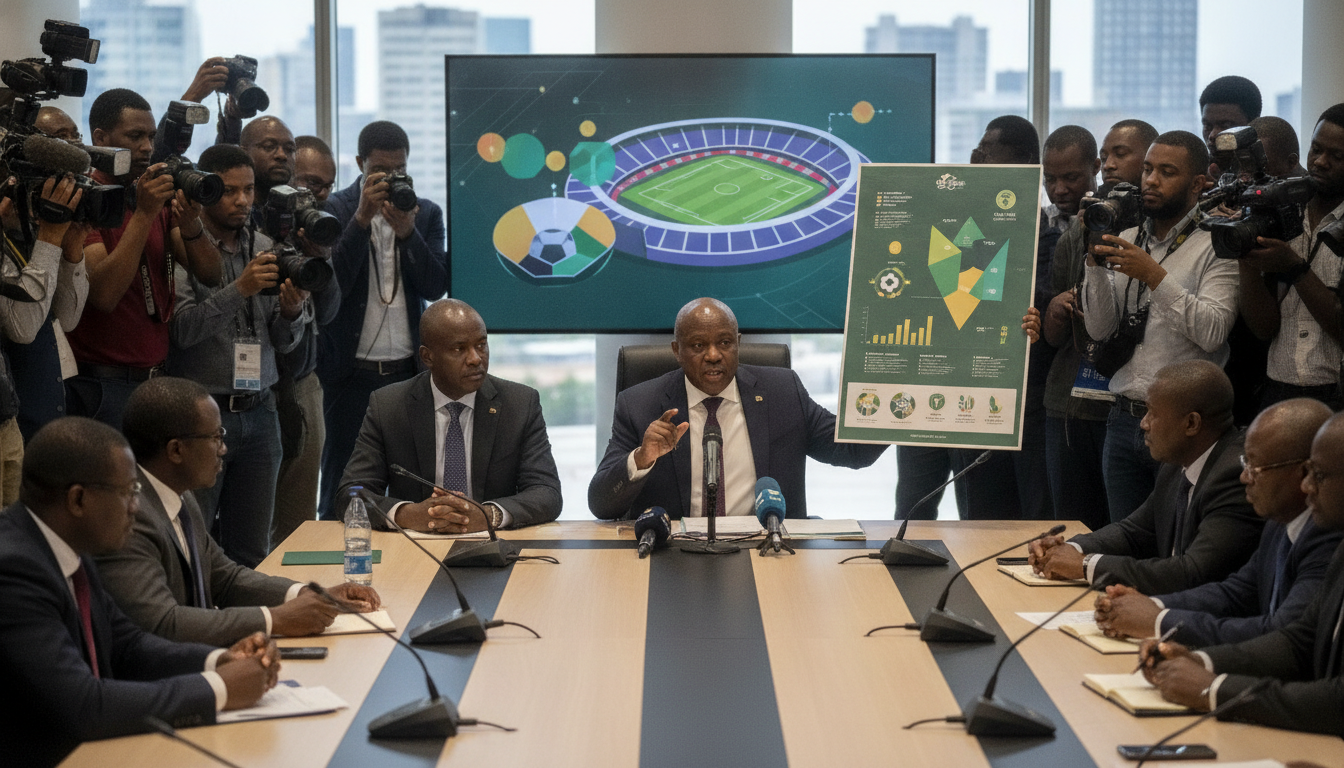
Minister of Sport, Arts and Culture Gayton McKenzie on Sunday published a detailed accounting of roughly R31 million spent by his department on South Africa’s presence at the FIFA World Cup 2026.
The disclosure responds to parliamentary and media questions about public expenditure linked to the country’s engagement in matches and cultural activations in Mexico and the United States.
McKenzie said the figure covers travel, hospitality, event construction, tickets, the South Africa 2010 Legends programme and programmatic work aimed at fan engagement and legacy outcomes.
Official total and participant numbers
The department reported total departmental expenditure of R30,945,370.15 for World Cup activities connected to South Africa’s delegation and programme.
A reported 151 participants travelled to Mexico and the United States as part of the official programme, not counting the external service provider team employed to deliver parts of the activation.
McKenzie framed the spending as investment in national representation on a global stage that occurs once every four years, saying the activities aligned with the Department of Sport, Arts and Culture mandate.
Itemised allocation across travel, hospitality and programmes
The disclosure includes an itemised breakdown of major spending categories and amounts tied to the World Cup engagement.
Official trips and travel-related costs for the minister, two support staff, the director-general and a 14-member project team were listed at R7,865,134.97.
Other line items included R6,706,925 for a South Africa 2010 Legends exhibition match, R3,361,845.18 for hospitality suites, R3,011,465 for 294 official match tickets, and R10,000,000 for programme and activation activities.
What the travel and delegation costs covered
The R7.86 million allocation related to the official delegation incorporated international flights, accommodation, local transport, travel insurance and daily allowances.
The department said the sum also funded approved travel costs for executive management, protocol and communications staff responsible for logistics and governance of the programme.
Artists and cultural representatives who formed part of the official delegation were also covered under this travel and logistics envelope.
Legends match and heritage promotion expenses
R6.71 million was allocated to the South Africa 2010 Legends programme, which included an exhibition match featuring Bafana Bafana alumni from the 2010 squad.
Officials described the match as an official engagement that extended beyond mere attendance, noting that the legends participated in legacy events intended to celebrate South African football history.
The department said these activities were designed to keep the momentum of 2010 alive while showcasing South African football to an international audience.
Hospitality, tickets and built exhibition spaces
Hospitality suites in Atlanta and Monterrey were funded to the tune of R3.36 million, while nearly R3.01 million paid for 294 official FIFA match tickets across three host cities.
The department stated those tickets were part of the approved programme and enabled delegates, stakeholders and programme participants to attend fixtures tied to South Africa’s activation schedule.
A separate R10 million was recorded for the physical presence of South Africa at key venues, funding design, construction and installation of exhibition spaces in Mexico City, Atlanta and Monterrey.
Scope of the R10 million activation and legacy budget
The R10 million activation budget was described as covering branding, décor, lighting, sound, screens, technical equipment and furniture for the exhibition areas.
It also included logistics, transport, security, maintenance and the workforce required to build, operate and later dismantle the South African spaces.
Officials said the activations featured live performances, culinary demonstrations, craft and product sales, and business promotion aimed at tourism and investment attraction.
Private sponsorships and external participants
The minister confirmed that a number of private sector partners contributed funding that sat outside the department’s own expenditures.
Brand South Africa, Coca‑Cola, HONOR, Betway, Cell C and Old School were listed as sponsors who funded elements such as Lucky Fans, journalists, podcasters and influencers, along with other fan mobilisation activities.
McKenzie emphasised that those sponsorships did not form part of the R30.95 million departmental tally and that private support expanded the reach of the programme.
Cultural participants, artists and programme delivery teams
The published breakdown said the programme budget covered costs for 30 artists and cultural participants who took part in the World Cup activations.
A service provider and a project delivery team were engaged to manage logistics and execution, with the department noting the operational costs for those teams were included in the activation budget.
Officials described live music, food, craft displays and business showcases as central elements designed to leave international visitors with a clearer impression of South Africa’s cultural and commercial offer.
Minister’s defence of the expenditure and mandate alignment
McKenzie defended the spending as consistent with the DSAC mandate to promote South African arts, culture and sport internationally.
He said positioning the country on the FIFA World Cup platform was a justifiable use of public funds given the tournament’s global reach and potential returns for tourism and trade.
The minister framed the expenditure as an investment in national brand-building rather than discretionary or unrelated cost.
Questions and political scrutiny ahead
The disclosure arrives amid parliamentary questions and recent media scrutiny about the use of public funds for high-profile international events.
Opposition members and watchdog groups are likely to examine whether programme outcomes—such as tourism leads or cultural partnerships—match the scale of the investment.
Officials will be expected to provide further detail on measurable legacy benefits and post-event reporting to substantiate the department’s stated objectives.
Transparency and next steps for post‑event reporting
The department’s published figures represent an initial step toward transparency by listing itemised amounts and the nature of activities funded.
Observers and legislators will look for follow-up reporting that ties expenditure to measurable outputs, including visitor numbers, business leads, artist contracts and long-term partnerships secured.
The department’s ability to demonstrate tangible legacy outcomes will shape public and parliamentary assessments of the World Cup spending.
South Africa’s World Cup engagement combined official delegation costs, match attendance, hospitality, live cultural activations and private sponsorships to create a visible national presence in three host cities, according to the department’s statement and the R30,945,370.15 itemised breakdown.