Adidas and Chinese firms grant World Cup final day off so staff can watch Spain vs Argentina
Adidas and several mainland China companies are granting employees a day off after the World Cup final so staff can enjoy Spain vs Argentina, prize games and in-office activations.


Spain and Argentina set to meet in the World Cup final as companies offer a World Cup final day off to employees across mainland China to watch the decisive match and celebrate. Adidas, which supplies both national teams, announced on its official Weibo account that most of its mainland workforce will receive a special day off the Monday following the final, barring essential meetings. Other firms have followed suit with full or half-day leave, allowing staff to watch the match, take part in internal prediction games and mark the end of the 39-day tournament.
Adidas announces special post-final day off in mainland China
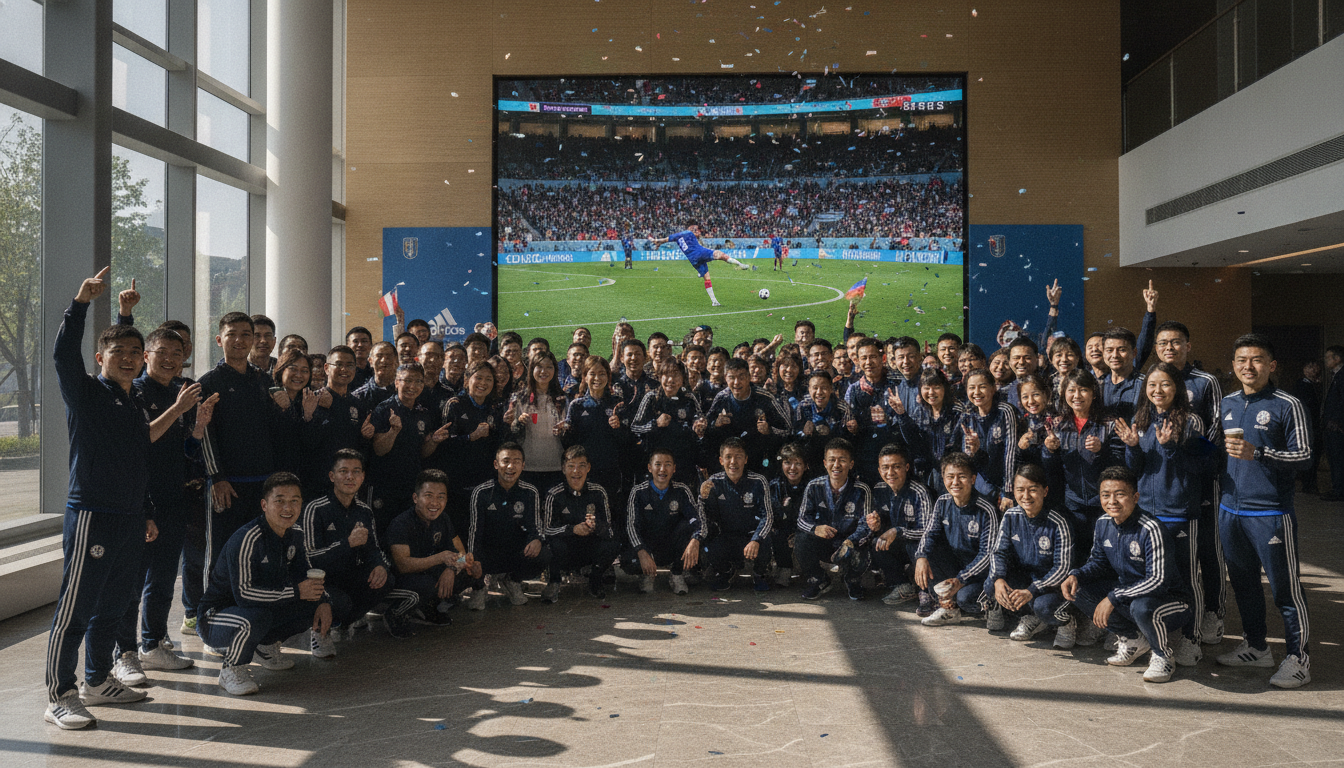
Adidas used its Weibo channel to tell staff there would be no work the Monday after the final, describing the match as an “Adidas derby” because it outfits both Spain and Argentina. The company framed the leave as a one-off, special arrangement intended to let colleagues enjoy the closing day of the tournament. Adidas also organized internal prize games prompting employees to predict scores for the final and the third-place play-off between France and England.
Adidas’s move reinforces the company’s public alignment with both teams and provides a high-profile example of a major employer adjusting schedules to acknowledge global sporting moments. The decision drew attention on social media in China, where employers traditionally balance production demands with cultural or sporting events through ad hoc leave policies. Adidas’s announcement suggested only staff involved in critical meetings or operations would be excluded from the day off.
Other mainland China companies offer leave and perks
Several other corporations in mainland China notified employees that they would receive either a full day or a half-day off the Monday after the final to accommodate viewing and celebrations. Companies varied in their approach, with some granting paid leave and others offering flexible work arrangements or permission to watch the match during business hours. The wave of announcements underscored the final’s reach beyond sports, touching corporate calendars and staff welfare practices.
These employers framed the leave as both a staff benefit and a recognition of the final’s broad appeal, especially given that the match will close a 39-day global tournament. Firms that did not formally announce leave sometimes encouraged managers to show flexibility, while others promoted internal activities tied to the fixture. The trend follows a growing pattern of companies temporarily adapting schedules around major international events to boost morale and engagement.
Match context: Spain v Argentina and what’s at stake
The final in New Jersey pits European champions Spain against reigning world champions Argentina, with both sides aiming to add to their international pedigrees. A win would give Spain a second World Cup title for coach Luis de la Fuente and his squad, while an Argentine victory would make Lionel Scaloni the first head coach to defend a World Cup crown. The fixture carries narrative weight for both nations and for global fans keen to see which style of play prevails.
Beyond the headline outcome, the final caps a tournament that has produced standout performances, tactical debates and a series of tightly contested knockout matches. The clash highlights two national programs at different stages of continuity and renewal, adding layers to why businesses and supporters alike are treating the match as a moment to pause and watch.
Employee activations and internal competitions tied to the final
Adidas did more than announce leave: it ran prediction games inviting employees to forecast the scoreline for both the final and the third-place match. Prizes and internal competitions are a common tool companies use to increase engagement around major sporting events, and Adidas’s activation extended its sponsorship narrative from public advertising into employee-facing programming. These initiatives are designed to foster camaraderie and keep staff connected to the brand’s global sports partnerships.
Other companies mirrored this approach by hosting watch parties, giveaways, and office pools that rewarded correct score predictions or creative fan celebrations. Some technology firms provided special passes, dedicated viewing rooms or allowances to work remotely the following day. For employees, these perks combine entertainment with corporate culture-building, while for employers they can serve as low-cost morale boosters with tangible engagement metrics.
Lenovo and workplace World Cup concessions
Among organizations adjusting schedules and perks, Lenovo reportedly issued special passes to employees during the World Cup, reflecting a similar effort to facilitate staff participation in match-related activities. Corporations with large workforces and global operations have been weighing how to accommodate local interest in the tournament, and measures such as passes, flexible hours and on-site viewing options have emerged as common responses. These moves aim to reduce friction between professional obligations and cultural or social moments tied to international sport.
Companies that operate 24/7 or in customer-facing industries emphasized that operational needs would determine who could take leave, and many employers asked managers to coordinate coverage. The result is a mixed picture in which the majority of office-based staff may benefit from post-final rest or celebrations, while frontline or critical service workers maintain continuity.
Public and employee reactions on social media and internal channels
Reactions to corporate announcements were immediate on social platforms, with many employees expressing appreciation for the extra leave while others questioned consistency across industries and regions. Social media commentary often framed the leave as a smart, morale-boosting gesture that could pay dividends in employee satisfaction. Observers also noted that companies granting time off for international sports events signal a broader willingness to accommodate staff interests beyond standard holidays.
Internally, the tone tended to be celebratory where leave was granted, with teams using prediction contests and viewing gatherings to bond. Where leave was limited or unavailable, some employees reported disappointment, underscoring the unevenness of such one-off policies. The public conversation around these announcements highlighted how major sporting events can prompt companies to reassess conventional leave policies and consider more flexible, culture-oriented approaches.
Final paragraph
The decision by Adidas and various mainland China companies to offer a World Cup final day off reflects the growing influence of global sport on corporate practice and workplace culture. By combining formal leave, internal competitions and viewing arrangements, firms sought to let staff witness a marquee match while keeping essential work covered. As the tournament concludes, employers and employees alike will likely evaluate the costs and benefits of similar gestures for future international events.