Namibia Unified Gladiators Clinch Women’s Division 2 Gold at Special Olympics Unified Soccer World Cup
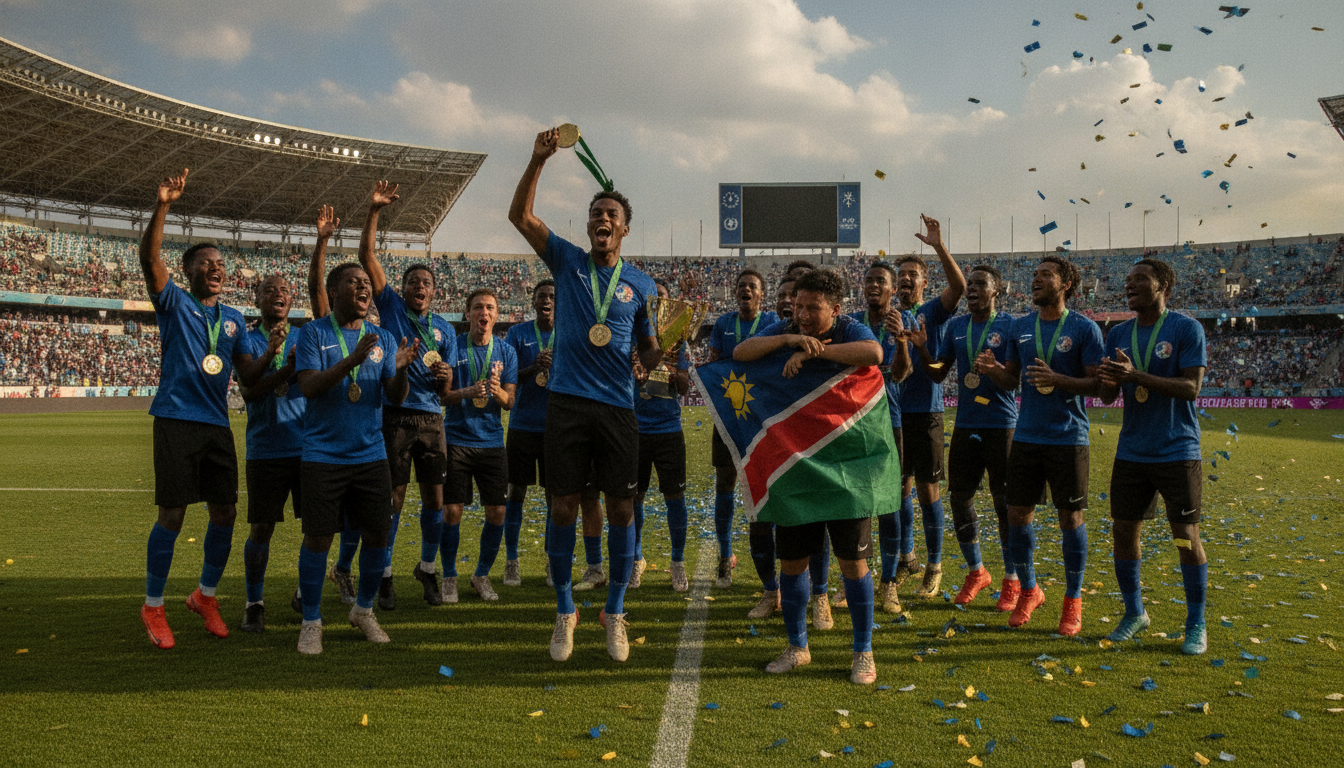
Namibia Unified Gladiators secured the Women’s Division 2 gold at the Special Olympics Unified Soccer World Cup in Paris, defeating Egypt 5-4 on penalties after a goalless final.
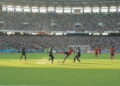
The Namibia Unified Gladiators lifted the Women’s Division 2 trophy in Paris after a tense final that finished 0-0 and was decided by a 5-4 penalty shoot-out in favor of the southern African side.
The victory caps a tournament in which Namibia advanced from a mixed group performance to successive knockout wins that culminated in the title match.
The result marks Namibia’s second-ever gold at the Special Olympics Unified Cup and their first at the Division 2 level, reinforcing the nation’s growing presence in unified football.
Final decided by penalty shoot-out
The gold-medal match against Egypt remained locked at 0-0 through both regular periods, with both sides creating opportunities but failing to convert.
Defensive discipline and careful game management dominated the contest, forcing the outcome into a penalty shoot-out where Namibia held their nerve to prevail 5-4.
The shoot-out win reflected composure under pressure from the Namibia Unified Gladiators and their unified partners, delivering the decisive kicks that secured the title.
Road to the final: group stage and knockouts
Namibia’s path through the group stage was mixed but ultimately sufficient to advance, beginning with a commanding 5-0 victory over Azerbaijan.
That initial win was followed by a narrow 1-0 loss to Guatemala and a 1-1 draw with the United States, results that left Namibia needing a strong knockout performance to keep their gold-medal hopes alive.
In the elimination rounds the Gladiators produced a standout 5-2 win over host nation France, a result that booked their place in the final and signaled the team’s ability to click into form at the crucial stages.
Historic significance for Namibia and the Special Olympics
This triumph is Namibia’s second gold in the history of the Special Olympics Unified Cup, and it represents their first title in Division 2.
Previously, Namibia won the Division 3 gold at the 2022 Special Olympics Unified Cup in Detroit, where they beat the United Arab Emirates 3-0 in the final, and the Paris success extends that record of achievement.
The Paris tournament was the third edition of the Unified Soccer World Cup, following the inaugural event in Chicago in 2018 and the 2022 edition in Detroit, underscoring the event’s growing international footprint.
Tournament format and breadth of participation
The Special Olympics Unified Soccer World Cup brought together 24 squads across men’s and women’s competitions, with 12 teams per gender competing in Paris.
Teams are composed of athletes with intellectual disabilities alongside unified partners without intellectual disabilities, and rules require an on-field line-up that includes six athletes and five unified partners at all times.
The format emphasizes inclusion and competitive balance, creating a platform where sporting performance and social integration are both central to the event’s mission.
Impact for Namibian sport and calls for support
The Namibia Sport Commission publicly congratulated the Unified Gladiators, praising the team’s dedication, resilience, and the pride they brought to the nation.
Officials noted the victory as evidence of sport’s power to promote inclusion and equality, and they called on Namibians to celebrate the squad and support pathways for athletes of all abilities.
The commission’s message framed the win not just as a sporting milestone but also as a cultural achievement that highlights the potential of unified sport to change perceptions and expand opportunity.
Match dynamics and team performance analysis
Across the tournament Namibia demonstrated both attacking potency, as in the 5-0 win over Azerbaijan and the 5-2 victory over France, and defensive resilience, which proved decisive in the final.
The balanced display of offense and defense suggested strong preparation from the coaching staff and effective on-field chemistry between athletes with intellectual disabilities and their unified partners.
Key moments were managed with tactical discipline, with the Gladiators showing adaptability to different opponents and match situations en route to the gold medal.
Namibia returns from Paris with a trophy that cements the Unified Gladiators’ status on the world stage and advances the broader agenda of inclusion through sport.
The team’s achievement will likely inspire renewed investment and public interest in unified programs across Namibia, and it offers a concrete example of how international competition can elevate athletes and communities alike.