Ankore Cup: Ibanda and Kazo Play Out 0-0 Stalemate at St George’s Kagongo Playground
Ibanda and Kazo drew 0-0 in the Ankore Cup at St George’s Kagongo Playground, watched by hundreds, musician Eddy Kenzo and local leaders in a tactical contest.
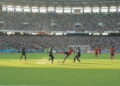

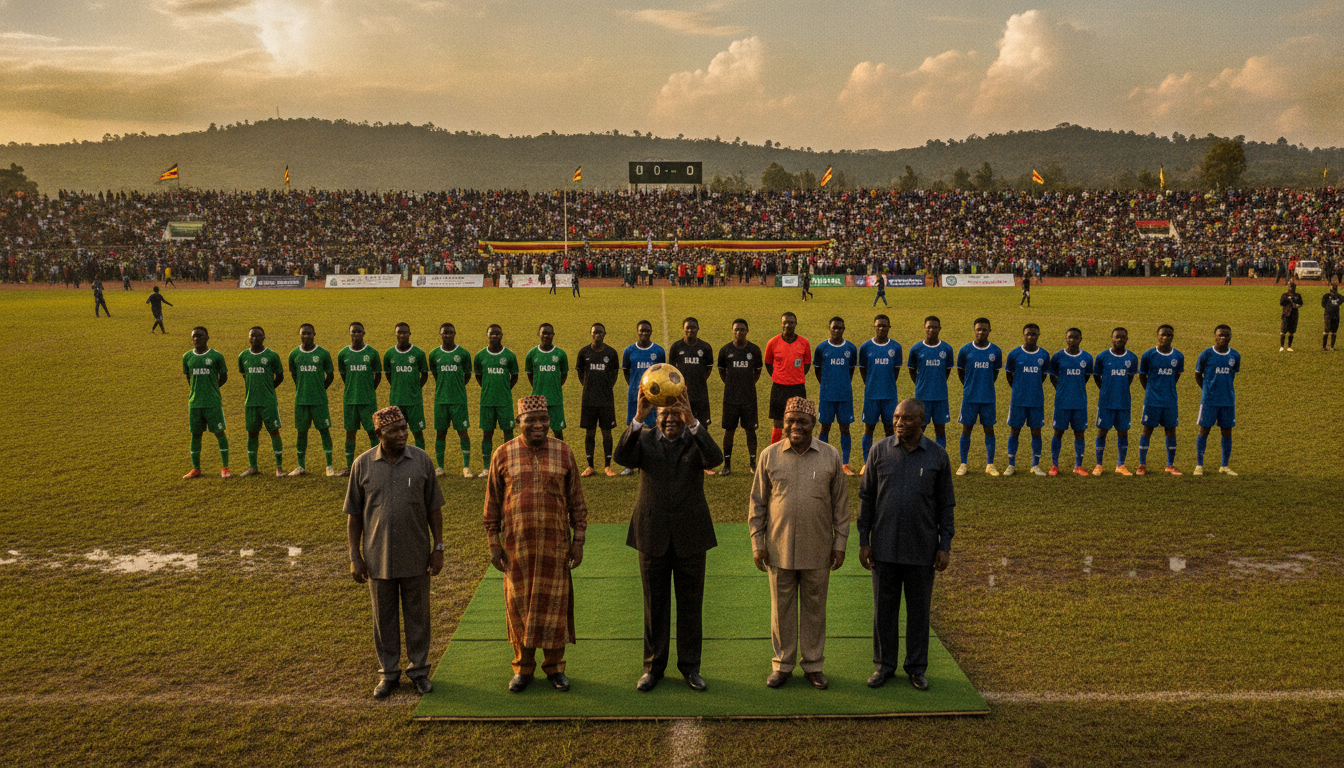
Ibanda and Kazo played to a goalless draw in a tightly contested Group A match of the Ankore Cup at St George’s Kagongo Playground.
The game, contested before a large local crowd, featured disciplined defending and few clear scoring chances for either side.
Both teams leave the field with a point as the regional competition moves into its next round.
Ibanda and Kazo Play Out Scoreless Draw
The match remained scoreless after 90 minutes as both teams prioritized defensive organisation over expansive attacking play.
Kazo and Ibanda created only sporadic openings, with each side struggling to convert possession into sustained pressure in the final third.
Coaches from both camps acknowledged the competitiveness and conceded that finishing and creativity in transition will be key areas for improvement.
The goalkeeper exchanges and last-ditch defending prevented either side from testing the scoreboard.
Midfield battles were often compact, forcing attackers to operate in narrow spaces without clear service.
The stalemate reflected an even match-up rather than a lack of effort, with discipline and tactical caution dominating proceedings.
Tactical Defending Dominates at St George’s Kagongo Playground
Defensive organisation shaped the narrative from the first whistle as both teams set up to deny space between the lines.
Full-backs and central defenders remained compact, reducing gaps for runners and forcing long-range attempts that rarely troubled the keepers.
Set-piece routines emerged as the most dangerous phase for both teams, but neither converted their chances into goals.
Kazo’s structure relied on a deep midfield block that invited Ibanda to circulate possession but limited forward penetration.
Ibanda, for its part, showed patience when building from the back but lacked the final pass to create high-percentage chances.
Coaches on both sidelines made tactical tweaks late in the second half, introducing fresh legs to chase the decisive breakthrough without success.
Coaches Reflect on Performance and Next Steps
Kazo coach Alex Kizito described the result as below expectations but stressed optimism about the squad’s potential in the tournament.
He said his team identified specific weaknesses during the game that will be addressed in training ahead of upcoming fixtures.
Kizito underscored the value of match experience in a regional competition and called for calm as his side seeks to convert draws into wins.
Ibanda coach Stuart Katongole also acknowledged shortcomings, praising his players’ discipline while highlighting areas for improvement.
Katongole noted that the team showed commitment but must sharpen attacking combinations and set-piece execution.
Both coaches emphasized that the tournament’s early stages are for learning and adjustment as teams vie for progression.
High-Profile Attendance Boosts Tournament Profile
The fixture attracted hundreds of fans and drew notable attendees, including celebrated musician Eddy Kenzo and several Members of Parliament from neighbouring districts.
Their presence signalled strong local interest and political support for the competition, amplifying the tournament’s visibility in the Ankole sub-region.
Organisers said the turnout underlined football’s role as a unifying community event that brings together supporters from across districts.
Local leaders used the occasion to reaffirm support for grassroots sport and youth development programmes tied to the Ankore Cup.
District officials praised the sportsmanship shown on the pitch and highlighted plans to expand facilities and coaching resources for young players.
The attendance of public figures and artists was presented by organisers as further validation of the tournament’s growing profile.
Ankore Cup Aims to Nurture Regional Talent
Tournament organisers have framed the Ankore Cup as more than a competition, describing it as a platform for youth empowerment and talent identification.
Media coordinator Manucho Rally said the event seeks to uncover promising players and create pathways for exposure, training and potential professional opportunities.
The competition is intended to stimulate grassroots development while creating community benefits through sport and local engagement.
Organisers stressed that beyond the immediate results, the long-term goal is sustainable talent pipelines that feed regional academies and clubs.
Coaches and scouts in attendance will monitor individual performances across fixtures, with standout players earmarked for further evaluation.
Support from district authorities and local sponsors is being cultivated to ensure the tournament can deliver coaching clinics, scouting reports and follow-up opportunities.
Group A Opens With Multiple Stalemates
The Ibanda–Kazo draw followed a previous Group A fixture that also ended 0-0, when Bushenyi and Sheema played out an earlier stalemate.
Two successive draws in the group underline the competitive balance and the tentative style adopted by several teams in the opening round.
As the tournament progresses, coaches are likely to encourage greater attacking intent to secure the wins needed for group advancement.
Thirteen districts are taking part across the Ankole sub-region, including Ibanda, Kazo, Kiruhura, Buhweju, Mbarara City, Sheema, Rwampara, Bushenyi, Rubirizi, Isingiro, Ntungamo, Mitooma and Mbarara District.
That breadth of participation offers a wide pool of talent and ensures that fixtures will test squads’ depth, adaptability and resilience.
With the early matches producing few goals, upcoming rounds carry added importance as teams chase decisive victories to climb the group table.
Local officials reiterated their commitment to supporting the Cup as a vehicle for community development and youth opportunity.
Ibanda District Chairperson Happy Herbert Mayanja praised both teams for their conduct on the pitch and said leadership will continue to back sports initiatives.
Mayanja linked talent development in football to broader social benefits, noting that organised sport can open education, employment and civic engagement pathways.
The Ankore Cup’s organisers will now turn attention to scheduling, match officials’ assessments and coaching feedback ahead of the next round.
Teams are expected to regroup and fine-tune tactical plans as they aim to turn early draws into competitive momentum.
For now, the tournament remains tightly poised, with local supporters awaiting the first decisive results that will shape the race for progression.
Ibanda and Kazo depart St George’s Kagongo Playground with lessons learned and an eye on improvement as the Ankore Cup moves forward.