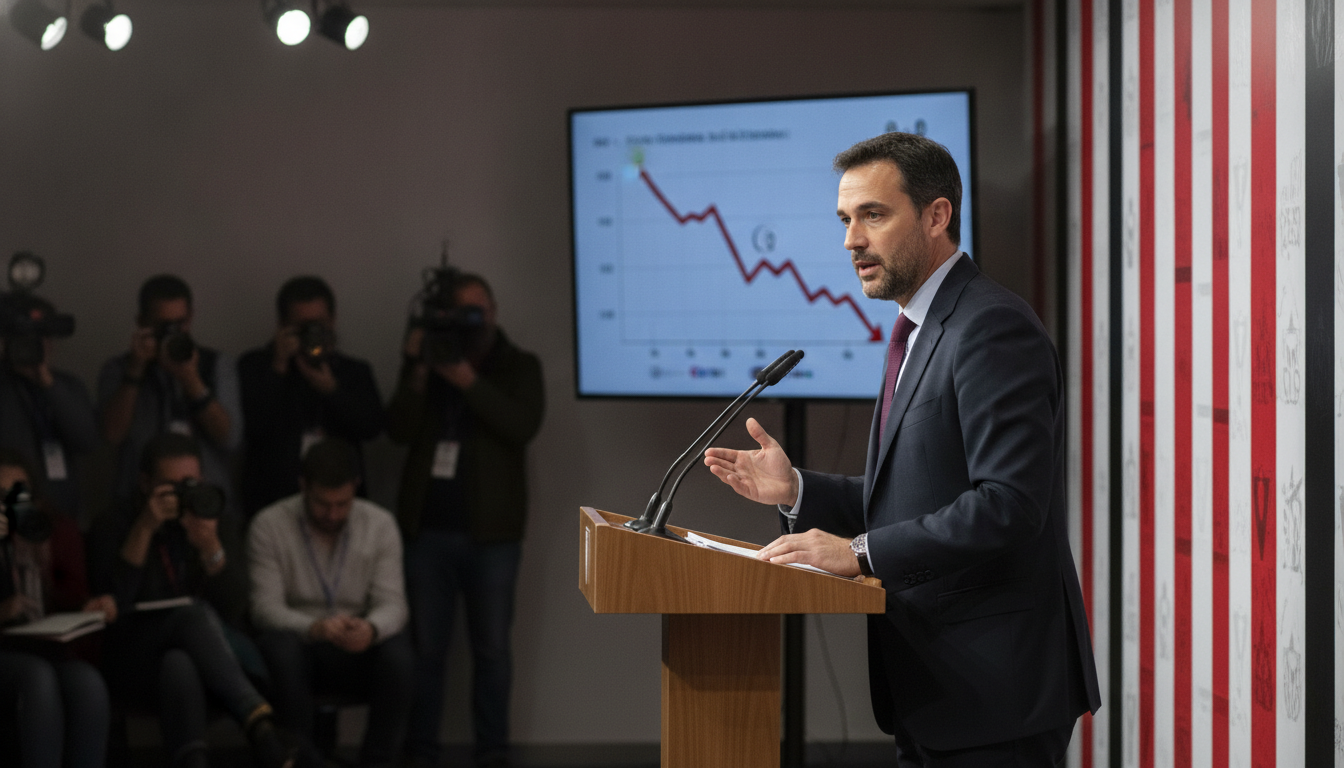
Athletic Club finances under strain as Uriarte warns of 2026–27 losses without European revenue
Athletic Club finances face a shortfall as president Jon Uriarte warns that missing continental competition will turn this season’s profit into losses for 2026–27. Uriarte outlined the figures and possible remedies on a Barcelona technology company podcast, stressing the club’s dependence on European income. The warning frames summer transfer planning and member contributions as immediate priorities for the Bilbao club.


Uriarte signals profit this season but warns of losses next year
Athletic president Jon Uriarte told listeners that the club will record a profit for the season just concluded but expects losses in 2026–27 if the team does not return to European competition. He framed the shortfall as structural rather than temporary, tied directly to the revenue uplift that continental tournaments deliver. Uriarte’s remarks were delivered on a podcast hosted by a Barcelona-based technology company and represent a rare extended public intervention from the club president.
The message was stark: without the financial bonus from Champions League or Europa League participation, Athletic Club finances move from surplus into deficit. Uriarte emphasized that while the club is not on the brink of immediate distress, sustained absence from Europe would force difficult decisions. His comments set the tone for boardroom and sporting discussions in Bilbao this summer.
Budget breakdown: €185m framework and the Champions boost
The club’s budget for the recently finished season stood at €185 million, according to the figures Uriarte referenced. Operating expenses accounted for about €155 million of that total, with roughly €120 million earmarked for personnel costs. Those wage and staff commitments are the largest single cost center for Athletic and create limited room for manoeuvre if income falls.
A key line item in the budget was the €56 million attributed to revenues from participating in the Champions League. That European windfall materially altered Athletic Club finances for the year, allowing planned investments and the delivery of a positive bottom line. Uriarte’s calculations show how much the club’s balance sheet leans on continental competition, and why qualification drives both sporting and financial strategy.
European qualification framed as essential for sustainability
Club leaders described Athletic’s financial model as premised on regular European qualification to remain sustainable over time. Uriarte said the model requires “maximum reliability” in finishing positions that deliver continental football, underscoring the fragility of the current structure. Without that recurring bonus, the club risks entering a multi-year adjustment that could require unpopular measures.
Those measures include either generating new revenue streams or reducing costs, the president noted, and the club must plan for both possibilities. The warning is not unique to Athletic; many mid-sized European clubs balance tight wage bills and capital plans against the variability of sporting results. For Athletic, however, the historical reliance on a member-owned model and a specific recruitment policy narrows the available levers.
Possible responses: selling players, trimming wages or asking members to help
Uriarte outlined the trade-offs the club faces if European absence persists, describing a stark set of choices: sell assets, cut payroll, or increase member contributions. He identified the sale of a significant player as the “easiest” remedy from an accounting perspective but warned it would diminish the squad’s competitive capacity and future revenue potential. That dilemma—between short-term balance-sheet relief and long-term sporting health—lies at the heart of Athletic’s summer planning.
The president also raised the prospect of a membership levy, saying supporters might need to “contribute to cover the club’s losses” if other measures are insufficient. Athletic’s socio model gives members a formal voice and financial relationship with the club, which makes any proposal for higher dues both feasible and sensitive. Uriarte insisted such moves are not imminent but must be considered as part of contingency planning should Europa absence extend beyond a single season.
Transfer window focus: no sales of club cornerstones, goalkeeping is under review
Sporting directors in Bilbao have already signalled they will avoid selling the club’s referential or cornerstone players even if they look to recalibrate the wage bill or raise transfer income. The strategy described by the club prioritizes preserving the spine of the team while selectively marketing assets that are replaceable. That approach aims to protect both on-field competitiveness and longer-term commercial value tied to performance.
One specific area under assessment this summer is the goalkeeping department, where Athletic reportedly sees an opportunity to raise funds without dismantling the first-team core. The club has weighed offers and is prepared to move a keeper if the price is right or if contractual structures allow for future add-ons. This targeted selling strategy reflects a compromise between urgent financial needs and the desire to retain the squad’s competitive identity.
Sporting outlook: Terzić’s first season could change the financial narrative
Athletic’s financial trajectory is closely linked to on-field results, and the club’s new coach offers a potential route back to Europe and to restored revenues. A strong first season under new management would mitigate the projected shortfall and return the club to a sustainable balance between income and expenditure. Club executives have repeatedly stressed that sporting performance remains the most desirable and least painful corrective to any budgetary gap.
That dependence on performance places additional pressure on recruitment, preseason planning and squad depth heading into the 2026–27 campaign. Athletic’s recruitment policy, identity and insistence on competitive continuity will shape how the club allocates limited resources this summer. The board and sporting department will need to balance immediate needs with the risk of destabilising a team that can still achieve the qualification targets required to stabilise Athletic Club finances.
Final paragraph
Athletic Club finances now rest at a crossroads where sporting results, calculated budgeting and member backing will determine whether the club weathers a temporary dip or faces a multi-year adjustment. Jon Uriarte’s public warning has focused attention on concrete numbers and feasible remedies, from selective player sales to potential member levies, even as Athletic aims to restore European qualification on the pitch.