Cassell Kuoh expulsion: FC Fassell CEO vows legal challenge, defends youth programs
Cassell Kuoh expulsion: FC Fassell president responds to LFA ban on July 8, 2026, pledging to pursue appeals and stressing the impact on youth and community programs.


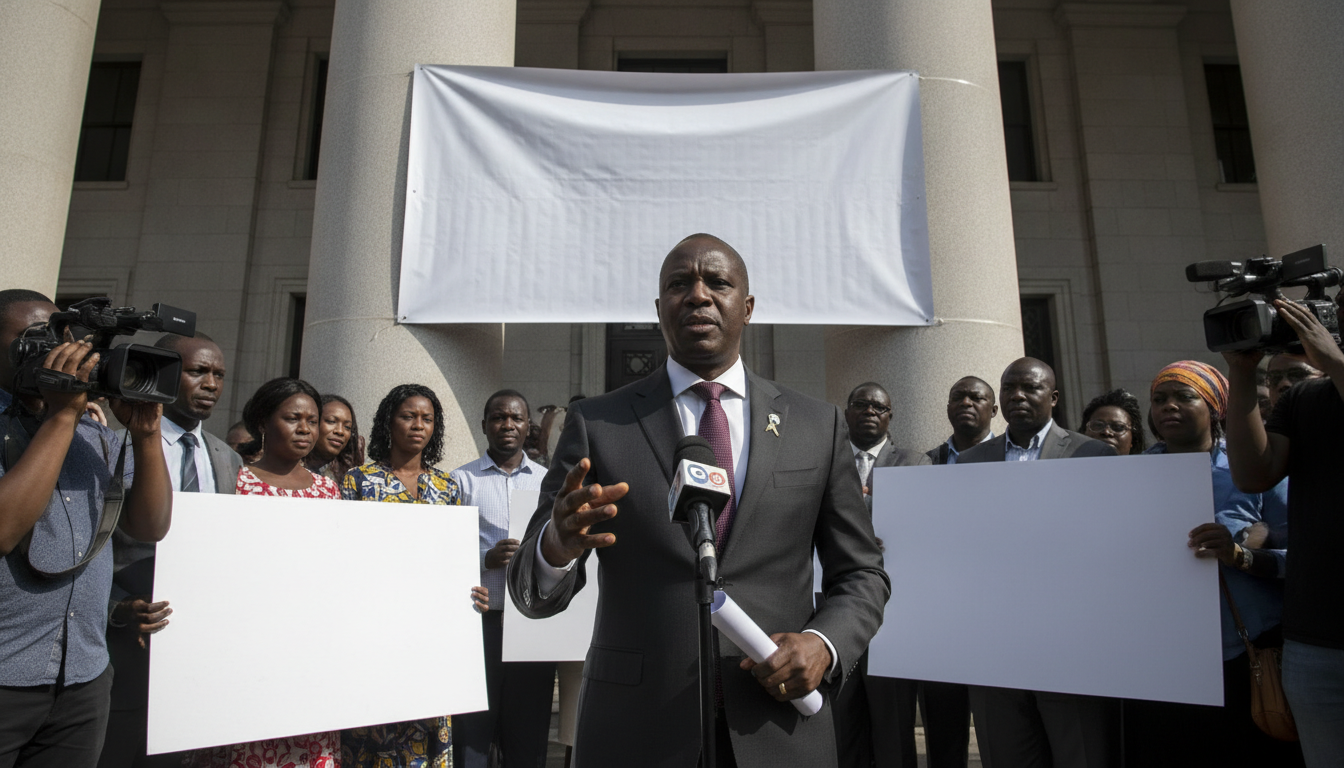
In a concise public statement on July 8, 2026, Cassell Anthony Kuoh addressed the fallout from his recent expulsion by the Liberia Football Association’s Grievance and Disciplinary Committee, laying out his intention to challenge the decision through formal channels. The president and chief executive of FC Fassell framed the dispute as more than an administrative matter and underscored the social and developmental work tied to his club. Kuoh used the address to appeal for patience among supporters and to emphasize continuity for the players, staff and community initiatives associated with his organization. The statement — alternating between conciliatory language and a firm commitment to legal redress — signals a protracted governance battle in Liberian football.
Kuoh issues first public response after expulsion
Kuoh’s July 8 statement was measured, thanking the broader football community while signalling that he will contest the disciplinary outcome. He avoided detailed legal argument in public but made clear he intends to pursue remedies through “proper channels.” He framed his involvement in football as a mission of social impact and youth empowerment rather than a personal power struggle.
In his remarks Kuoh said, “Football has never been a passing interest for me,” and warned that decisions excluding him affect more than just his role. He urged supporters, staff and players to remain “peaceful, focused, and respectful of the process,” indicating a deliberate effort to prevent on-field or off-field unrest. The tone combined defiance about his future participation with a call for calm among the club’s constituency.
LFA ruling cites undue third-party interference in election dispute
The LFA Grievance and Disciplinary Committee issued a ruling that the expulsions and sanctions stemmed from what it described as “undue third-party interference,” specifically pointing to Kuoh’s move to involve the civil courts in a dispute over LFA elections. That legal intervention is the disciplinary body’s stated rationale for removing him from participation under association statutes. The LFA’s position places the matter firmly within governance and electoral integrity rules that national associations enforce.
While the committee has finalized its decision, the public record provided with Kuoh’s statement does not detail the precise length or scope of any ban or additional sanctions. The disciplinary language used by the LFA reflects a common principle in football governance: internal disputes over elections and administration are generally expected to remain within sporting dispute mechanisms rather than civil jurisdiction. The procedural clash between association rules and external courts is often the catalyst for escalation in similar cases elsewhere.
Legal avenues and likely appeal routes ahead
Kuoh’s vow to pursue remedies through “proper channels” suggests a multi-tiered legal strategy that could include internal appeals inside the LFA, submission to Confederation of African Football (CAF) mechanisms, and, if unresolved, recourse to international sports law forums. Parties who disagree with national association rulings commonly seek arbitration at the Court of Arbitration for Sport (CAS) or raise issues for FIFA consideration when governance questions implicate broader statutes.
The sequence and timing of any appeal will affect sporting calendars and the club’s operations, and decisions at each level can take months. Kuoh’s earlier attempt to use civil courts to challenge LFA elections — a step the disciplinary committee flagged — complicates his position because sporting bodies often prohibit parallel civil proceedings that circumvent internal remedies. The next phase will likely focus on whether the LFA’s process afforded Kuoh due process and whether procedural errors can be demonstrated on appeal.
Immediate impact on FC Fassell’s programs and staff
Kuoh framed FC Fassell’s work in social terms, saying his presence in football is tied to youth empowerment, development and opportunity. The expulsion raises immediate concerns for players, academy programs and staff who rely on the club for training, income and exposure. Local stakeholders will be monitoring whether the club can maintain operations and funding while executive leadership is sidelined.
Practical questions loom about coaching contracts, youth tournaments and community initiatives affiliated with the club if its leadership is officially barred from participating in LFA-sanctioned activities. Kuoh’s assurance that “our vision remains alive, our commitment remains firm, and our love for football remains unshaken” aims to steady partners and beneficiaries, but sustaining program continuity will depend on administrative contingency planning and the club’s internal governance capacity.
Reactions across the domestic football community
Kuoh’s appeal for calm comes amid heightened attention from fans, rival clubs, and other LFA stakeholders who see the case as a test of governance in Liberian football. Supporters of FC Fassell have been urged to remain patient and respectful while legal processes play out, a plea intended to prevent protests or disruption. At the same time, some observers worry the dispute could further polarize the domestic game if it becomes a proxy for wider administrative tensions.
Club officials, players and local partners will need to balance public solidarity with compliance to LFA directives while the appeals process unfolds. The potential for the dispute to reach international dispute-resolution bodies adds a layer of scrutiny, and stakeholders outside Liberia, including regional confederation representatives, may watch closely for precedent-setting outcomes.
Possible outcomes and what they mean for Liberian football governance
Several scenarios could emerge from the present standoff: a successful appeal that overturns or reduces the sanctions, a protracted legal battle culminating in an international arbitration decision, or an outcome that effectively ends Kuoh’s formal role in the domestic competition. Each path carries governance implications for the LFA and for other stakeholders considering legal challenges to association decisions. The choice of forum — internal appeals, civil courts, CAF, FIFA, or CAS — will shape the precedent for future disputes.
If the matter escalates to CAS or attracts FIFA scrutiny, the case could prompt review of how the LFA enforces rules on third-party intervention and the use of civil courts. Conversely, an affirmation of the LFA’s ruling would reinforce national associations’ authority to police internal election disputes and deter external litigation by individuals or clubs. The broader consequence for football development in Liberia will depend on whether the dispute results in clarified procedures or deeper institutional fractures.
To the people who rely on FC Fassell’s programs, Kuoh’s statement emphasized continuity and purpose even as the legal and administrative battle plays out. His words invoked community impact more than individual grievance and placed the spotlight on the lives and opportunities at stake beyond the boardroom.
The next weeks are likely to define not only Kuoh’s future in Liberian football but also how the LFA handles challenges to its governance framework. Observers inside and outside the country will be looking for concrete procedural steps: formal appeals filed, responses from the disciplinary committee, and any move toward arbitration. The outcome will shape expectations for governance disputes across the Liberian game for years to come.