Espanyol multi-club ownership: COO Brad Spiby insists ALK Capital can manage Burnley and Espanyol
Espanyol multi-club ownership: COO Brad Spiby says ALK Capital can run Burnley and Espanyol, praises La Liga salary limit and plans sustainable growth.


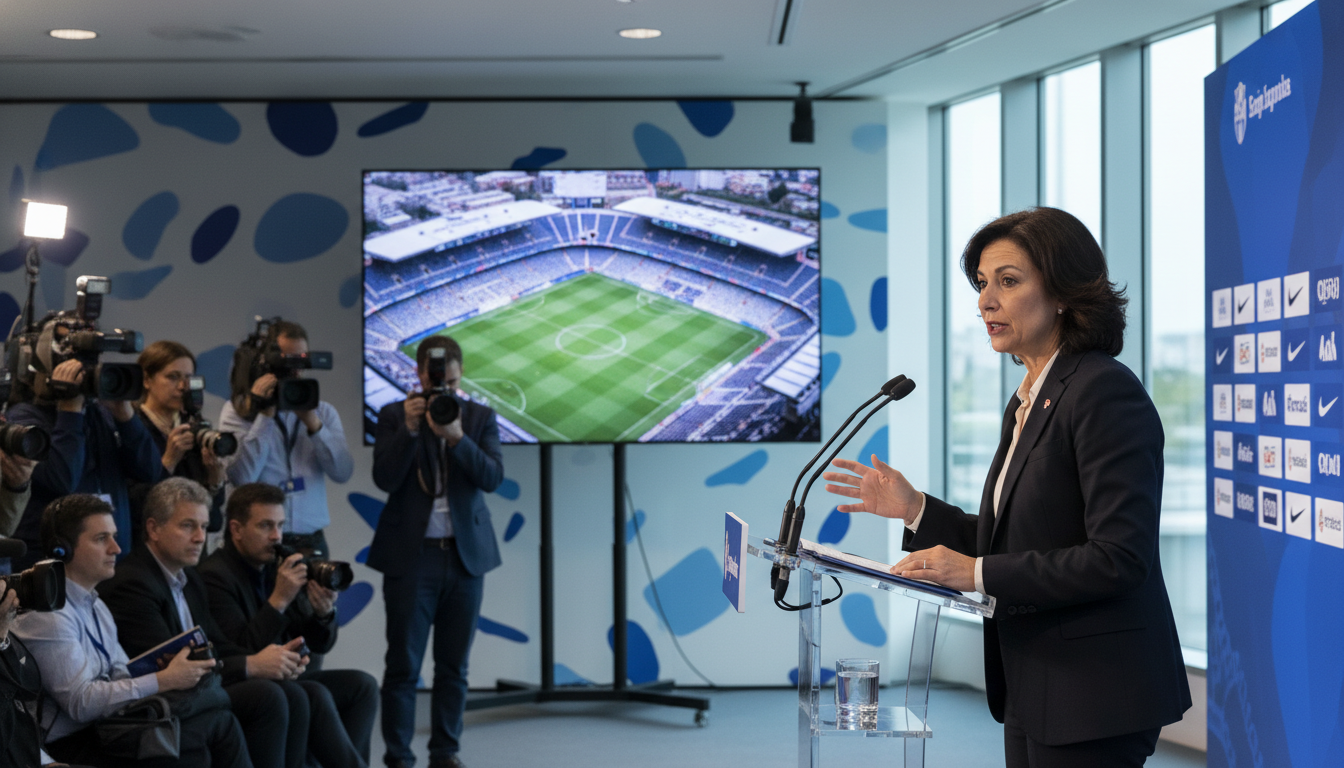
RCD Espanyol’s chief operating officer Brad Spiby has publicly defended ALK Capital’s approach to multi-club ownership, saying the group has the resources and commitment to manage Espanyol and Burnley without compromising either club. Spiby told reporters that custodianship of the two historic clubs is taken seriously and that the ownership intends to preserve Espanyol’s identity while building a self-sufficient sporting model. The comments come as Espanyol prepares for a second straight top-flight season and after the club announced a high-profile sporting director appointment.
Spiby frames custodianship of both clubs
Spiby emphasised that the ownership group views its role as custodians rather than short-term investors, noting the historical significance of both Espanyol and Burnley. He said that preserving each club’s traditions and local distinctiveness is central to how the group operates. That custodial framing is intended to reassure supporters that day-to-day decision-making will respect the clubs’ histories and fan bases.
He acknowledged the criticism levelled at some multi-club groups in recent seasons but rejected the idea that ownership by a single group inevitably leads to neglect. Spiby argued the alternative — fragmentation or absentee ownership — can be equally damaging and said ALK has committed to active, hands-on management at both locations. He added that visible leadership and local presence are pillars of the ownership’s strategy.
Owners stress standalone operations and resources
Asked how the group will avoid the common pitfalls of multi-club models, Spiby made resource allocation central to his response, saying both clubs will operate on a standalone basis. He emphasised that ALK would not have pursued the Espanyol acquisition without confidence in the financial platform and the capacity to support two professional operations. That assurance is aimed at damping fears that one club could be starved of investment to benefit the other.
Spiby noted the group views the clubs as separate businesses with distinct commercial ecosystems, sporting departments and community responsibilities. He said Burnley and Espanyol each have specific needs and opportunities, and the intention is to tailor investment and governance to those local conditions. The message to fans is that resources will be deployed where they create sustainable long-term value rather than short-term wins.
La Liga wage controls praised as sustainable model
A significant theme in Spiby’s remarks was his endorsement of La Liga’s forward-looking salary limit system, which caps what clubs can spend based on projected income. He described Spain’s model as a constructive mechanism that reduces uncertainty for owners and encourages financial sustainability. By contrast, Spiby characterised the Premier League’s financial framework as more backward-looking, suggesting it carries higher volatility for investors.
Spiby said the predictability created by the Spanish system helps with planning and recruitment, and lowers the “cost of uncertainty” that can disrupt club projects. He added that learning from the two leagues has been a priority for ALK as it navigates the different regulatory environments. That comparative perspective informs decisions about transfers, wage structures and multi-year strategic planning at both clubs.
CVC funds earmarked for fan experience and projects
Espanyol’s modern stadium and training complex mean the club has fewer immediate infrastructure deficits than some peers, Spiby said, but that does not preclude new projects. He revealed that funds made available through broader commercial deals remain largely unused and are being held for targeted investments. The ownership is prioritising capital deployment that enhances fan experience and strengthens the club’s commercial appeal over speculative spending.
Spiby underlined that these reserves give the club optionality — to renovate facilities, expand community programmes or create new revenue-generating assets — while avoiding reckless expenditure. He framed the availability of capital as a platform for measured, strategic projects rather than a mandate for rapid, high-cost change. That approach reflects the ownership’s stated aim to return Espanyol to the upper levels of Spanish football on a self-sustaining basis.
Competing with Barcelona: fans-first growth in a crowded market
In a city that also hosts one of world football’s largest clubs, Espanyol faces an acute local competition for attention and supporters. Spiby said the ownership recognises the challenge but stressed that the club’s priority is to serve its current fanbase first. He argued that deepening local support and improving matchday experience will produce stronger advocates who can help expand Espanyol’s profile organically.
To illustrate the point, he drew a parallel with Burnley’s situation near Manchester’s heavyweight clubs, noting that competing with neighbours is a familiar dynamic for many clubs. The ownership’s strategy, he said, focuses on cultivating loyalty among existing followers while incrementally growing the club’s commercial and international reach. That incremental, fan-centred approach is intended to protect the club’s identity while pursuing broader ambitions.
Monchi appointment to shape recruitment across both clubs
Espanyol has moved quickly on the sporting side by appointing a well-known sporting director to oversee recruitment, a hire Spiby says will coordinate talent strategy across the group where appropriate. The new sporting director’s remit includes strengthening Espanyol’s scouting and transfer systems and bringing a more structured recruitment philosophy to the club. Spiby confirmed the director will also work with Burnley, indicating an intent to share best practice rather than players or budgets.
Spiby was careful to note that shared expertise does not equate to pooled rosters or automatic player movement between clubs, emphasising the standalone sporting plans for each side. The focus will be on building sustainable squads that match each club’s competitive context and financial constraints. He suggested that centralized knowledge — analytics, scouting networks and negotiation expertise — can create efficiencies without undermining local decision-making.
Espanyol enter the forthcoming season having secured survival and with modest prospects in continental competition, but the club’s leadership is framing the immediate goal as stability plus targeted improvement. The combination of experienced operational leadership, available capital and a high-profile sporting director is intended to create momentum while limiting financial risk. For supporters, the key measure will be visible progress on the pitch and a better matchday experience.
Spiby reiterated that ALK’s presence is long-term in orientation and that the group measures success by the clubs’ ability to endure and prosper independently. He said the ownership views its task as returning Espanyol to sustained competitiveness while ensuring the club’s finances and infrastructure are resilient. Whether that approach will satisfy sceptics of multi-club ownership will depend on results and consistent stewardship over coming seasons.
ESPANYOL MULTI-CLUB OWNERSHIP remains a contentious subject in European football governance, but ALK Capital’s public stance is clear: hands-on custodianship, financial discipline under Spain’s regulatory framework, and targeted investment aimed at fans and infrastructure. The ownership’s next steps — how it deploys reserved funds and how Monchi’s recruitment plan translates into squad improvement — will determine whether that pledge converts into on-field progress and renewed supporter confidence.