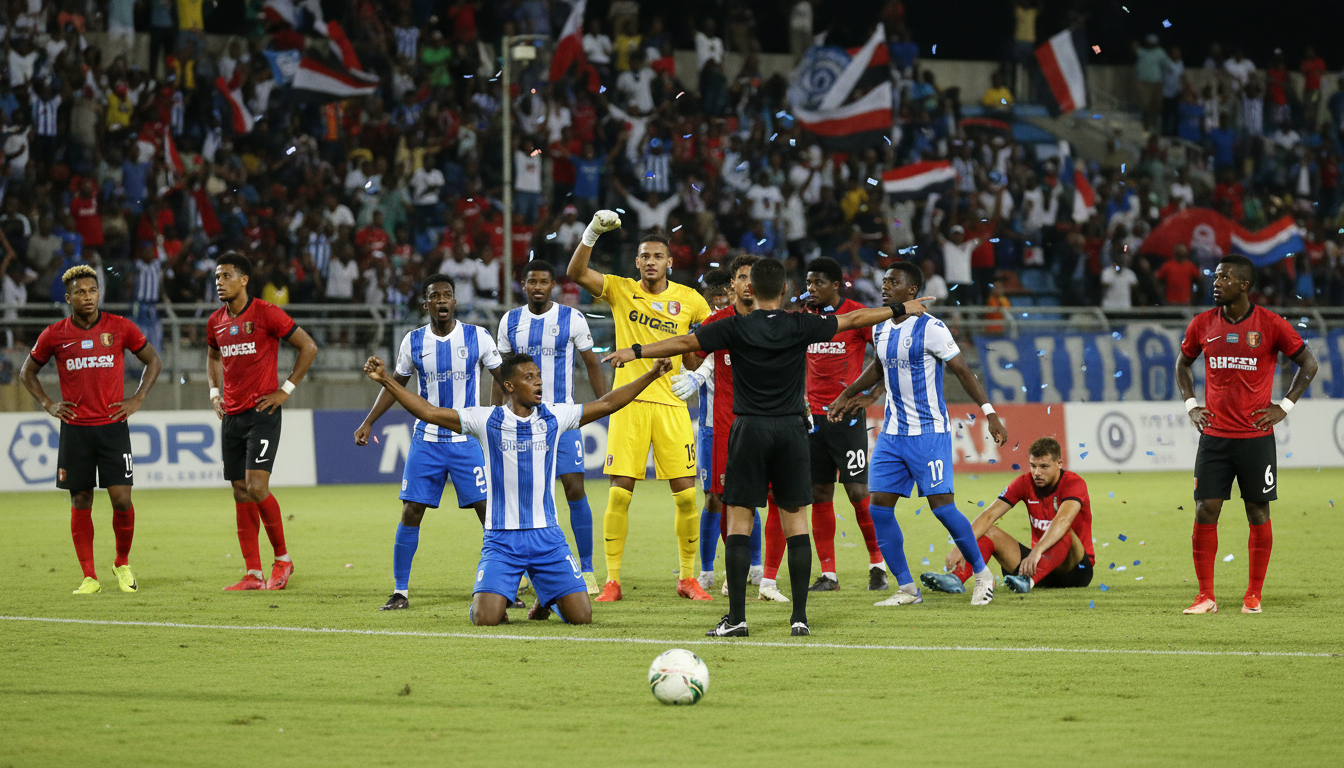
GFF FF Cup quarter-finals set as eight teams advance after dramatic Round of 16
Eight teams have booked places in the GFF FF Cup quarter-finals following a Round of 16 that produced multiple penalty shootouts and decisive victories across venues nationwide.


Round of 16 produces eight quarter-finalists
The GFF FF Cup quarter-finals lineup was confirmed after eight winners emerged from the Round of 16 across several regional stadiums. Teams progressing include Gambia Ports Authority, Baalor Sarr, Hart FC, North Star FC, AJ Soccer, Kanifing East, Medina United and Steve Biko FC. The mix of penalty-decided ties and clear results ensured a diverse set of quarter-final matchups with contrasting styles and recent form.
Matches were staged at a range of mini-stadiums and community grounds, including the Late Ousman Saho Football Field, Serrekunda East Mini Stadium, and the Brikama Box Bar Mini Stadium. Several fixtures required spot-kicks to separate sides, while other contests were settled inside 90 minutes, creating a balance of drama and clinical performance. The outcomes set the stage for four quarter-final pairings that will determine the last four teams in the competition.
Penalty shootouts decide more than half of the ties
Penalty shootouts played a decisive role in this edition of the Round of 16, with five ties ending level after regular time and moving to spot-kicks. Gambia Ports Authority edged past Samger 5-4 on penalties following a 1-1 draw, while North Star FC defeated Fortune FC 5-4 on spot-kicks after finishing 1-1 in regulation. Baalor Sarr and Wagadu were locked at 0-0 before a 4-3 shootout success sent Baalor Sarr through.
AJ Soccer advanced by winning 4-1 on penalties after a goalless match, and Medina United triumphed 4-3 in a shootout with Team Rhino after regular time produced no winner. The frequency of shootouts underlines the competitiveness of the knockout stage and highlights the psychological and technical importance of penalty preparation at club level. Goalkeepers, penalty takers and coaching decisions on the bench will all receive heightened scrutiny as teams prepare for the quarter-finals.
Hart FC and Kanifing East secure decisive wins
Not all ties required penalties; Hart FC produced one of the more authoritative performances of the round with a 3-0 victory over Serrekunda FC at the Jara-Soma Mini Stadium. Hart’s win demonstrated attacking clarity and defensive solidity, giving them momentum and a clear tactical blueprint heading into the quarter-finals. Kanifing East also secured a straightforward progression by defeating Sibanor United 2-1 at the Bakau Mini Stadium in a closely contested match.
Those two results offer contrasting narratives ahead of the next stage: Hart arrives with confidence from a clean-sheet win and multiple goals, while Kanifing East advances from a narrow victory that emphasized resilience in tight moments. Both sides will look to translate those performances into consistency as they face different types of opponents in the quarter-final draw. Match fitness and squad depth could be decisive in matches where margins are thin.
Quarter-final fixtures and what is scheduled
The GFF FF Cup quarter-final draw produced four fixtures that pair teams who navigated markedly different paths through the Round of 16. Medina United will meet Baalor Sarr FC, providing a matchup between two clubs that both advanced via penalty shootouts. The Gambia Ports Authority have been drawn against Hart FC, setting up a clash between a shootout-hardened side and a team that recorded one of the round’s most convincing wins.
Steve Biko FC will face North Star FC in a tie that tests North Star’s recent penalty shootout success against Steve Biko’s earlier form, while AJ Soccer FC will take on Kanifing East FC in the remaining quarter-final pairing. These fixtures create a mix of tactical puzzles and psychological tests, as teams that won outright prepare to meet opponents coming off emotional shootout victories. Exact dates and venues for the quarter-final matches have not been announced alongside the fixtures.
Tactical keys and implications for quarter-final contenders
Quarter-final outcomes are likely to be shaped by a handful of recurring factors that emerged during the Round of 16. Penalty competence will remain important for several clubs, given the number of ties decided from the spot, and coaches are expected to rehearse set-piece routines and identify reliable takers. Defensive organization and transitional play were also distinguishing elements, with Hart FC’s clean sheet and clinical finishing standing out as a model for others to emulate.
Squad rotation and player management will matter as teams balance league commitments and cup ambitions in the coming weeks. Fitness levels and the ability to respond to in-game momentum swings could determine matches that are level on paper. Managers who can extract tactical flexibility from their rosters—switching between compact defensive shapes and incisive counter-attacks—will have an edge in ties that promise tight margins and few clear scoring opportunities.
The psychological dimension should not be underestimated, particularly for sides emerging from penalty shootouts. Confidence gained from prevailing in high-pressure scenarios can become a competitive advantage, while the fatigue associated with extended matches may require careful recovery strategies. Clubs with experienced goalkeepers and composed spot-kick takers may see those assets prove decisive if quarter-final matches again reach shootouts.
The quarter-finals also offer a stage for emerging talent to stake a claim for regular playing time. Young players who impressed in the Round of 16 could be handed increased responsibilities, and clubs will balance the desire to progress with the need to nurture prospects. Tactical substitutions, bench impact and bench management will therefore be scrutinized as managers weigh short-term advancement against long-term squad development.
Final preparations for the quarter-finals will likely focus on set-piece defense and exploiting opposition weaknesses discovered during the Round of 16. Teams that succeeded in creating high-quality chances will prioritize replicating those attacking patterns, while others may adopt a more conservative approach aimed at forcing a low-scoring contest and relying on penalty proficiency. Match-specific scouting and video analysis are expected to intensify in the build-up to each fixture.
The quarter-final stage represents a pivotal phase of the GFF FF Cup, with the winners securing not only a place in the semi-finals but also increased prestige and momentum for the remainder of the domestic season. Supporters and club officials will be closely watching squad news and tactical announcements as the four ties approach. With a mix of shootout veterans and teams that won comfortably in regulation, the next round promises to be tactically varied and competitively fierce.
The tournament’s next chapter will reveal which clubs can combine tactical smarts, mental resilience and physical preparedness to advance toward the semi-finals. Teams now face a concentrated period of planning and performance that will determine their cup trajectories. Fans can expect tightly contested matches and strategic battles as the GFF FF Cup moves deeper into its knockout phase.