

Germany 2026 World Cup exit exposes internal rifts and player criticism of Nagelsmann
Postmortem of Germany 2026 World Cup exit exposes player criticism of Nagelsmann, communication breakdowns, goalkeeper confusion and a distracted squad culture.


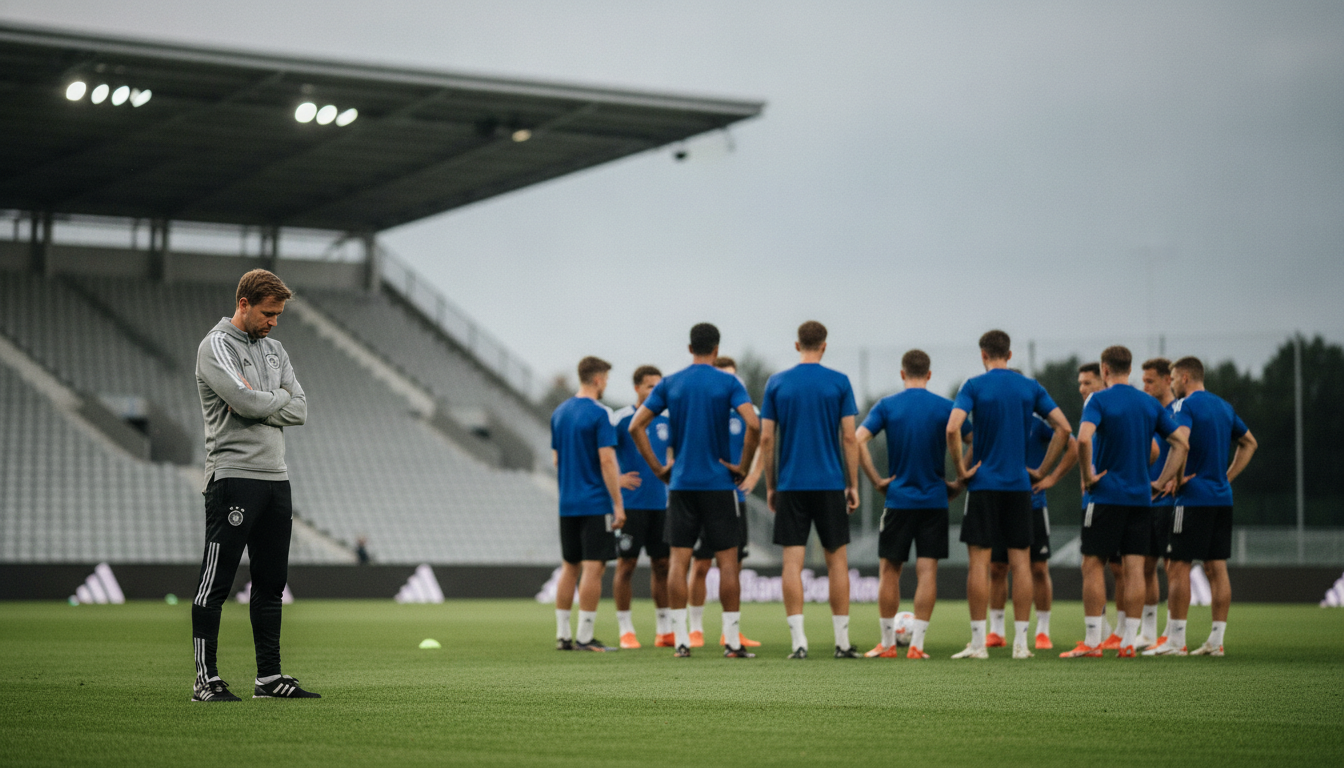
Germany’s shock 2026 World Cup exit has prompted a blistering internal postmortem that, according to recent reporting, highlights deep communication failures and growing tensions inside the national team. The Germany 2026 World Cup exit is now the focus of scrutiny as players, staff and federation employees recount episodes of poor handling, mixed messages and a squad pulled in competing directions. Details emerging from inside the camp point to strained player-coach relations, problematic messaging around selection decisions, and a wider culture that many within the setup say undermined tournament preparation.
Report outlines player grievances about Nagelsmann’s communication
A recent internal review and interviews with unnamed team figures describe a pattern of players feeling overlooked or misled by head coach Julian Nagelsmann. Multiple players are said to have attempted to initiate contact only to find their attempts unanswered or followed by vague assurances that were not fulfilled. Those interviewed suggested that this uneven communication contributed to uncertainty about roles and selection in the lead-up to the tournament.
The criticisms go beyond routine complaints about squad choices and touch on trust issues that, insiders say, accumulated over the months before the tournament. Several figures inside the camp believe that a lack of frank, timely conversations left players uncertain about where they stood and how they fitted into the coach’s plans.
Players say promises were left unmet and contact gaps widened
Sources described instances in which players expected decisive messages or clarity but received delayed or non-specific replies instead. That pattern reportedly left professionals feeling as though they were being strung along rather than given candid appraisals of their status. These communication gaps, team members contend, had real sporting consequences as preparations intensified and tournament squads were finalised.
Those close to the situation said the issue was not simply the tone of messages, but the timing and consistency. When national-team minutes and tournament roles are on the line, delayed clarity can create avoidable friction and affect on-pitch cohesion.
Goalkeeper selection and Neuer’s return created avoidable confusion
The handling of the goalkeeper situation emerged as a symptomatic example of the wider problems, with one senior keeper reportedly learning of Manuel Neuer’s return to the squad during a live media appearance. That episode, described by close observers as deeply unfortunate, fed a perception of poor internal coordination and raised questions about how major selection news was communicated. The event has been cited by insiders as emblematic of a broader failure to manage sensitive decisions with care.
For veteran players and staff alike, the goalkeeper episode crystallised longer-standing frustrations about information flow and respect for professional protocols. The fallout intensified scrutiny on the process used to decide and announce key personnel choices during a pivotal phase of the World Cup campaign.
Culture of individual projects and commercial distractions undermined focus
Beyond tactical and selection grievances, several staffers pointed to a change in squad culture marked by an expanding roster of off-field commitments. Documentaries, brand partnerships, social media projects and merchandise lines were said to have increased the demands on players’ time and attention. Those inside the setup argued that the proliferation of personal platforms and external projects contributed to a fractured focus within the group.
The convergence of commercial interests and national-team duties is not new, but sources suggest the balance tipped too far towards individual activity during this cycle. Observers within the federation warned that when players are routinely pulled in different directions, the collective preparation essential for a major tournament can suffer.
Accusations of “one-man shows” and selection opacity
Several members of the national setup described a sense of concentration of decision-making that they characterised as “one-man shows.” Those critics said that vital conversations about selection and squad direction were insufficiently collaborative, and that a limited number of voices ultimately determined key outcomes. This centralisation, opponents argue, left some senior professionals feeling marginalised and others uncertain about selection criteria.
Federation officials and former players interviewed as part of the review urged a clearer, more transparent decision-making model moving forward. Many suggested that distributing responsibility and communicating standards openly would reduce speculation and restore trust between players, coaches and administrators.
Federation response and the need for structural reform
The national federation faces mounting pressure to translate the postmortem’s findings into concrete changes ahead of the next competitive cycle. Insiders say discussions are already underway about improving communication protocols, rethinking the balance between commercial commitments and preparation, and ensuring clearer pathways for player feedback. The federation will also need to consider whether leadership structures and advisory roles around the head coach must be adjusted to prevent similar breakdowns.
Officials acknowledge the reputational and sporting impact of an early elimination, and sources indicate that a comprehensive review of personnel, processes and messaging is likely. Restoring a unified environment before the next set of qualifying fixtures will be central to any strategy aimed at repairing confidence within the squad and among supporters.
A wider debate has also opened about the modern demands on elite players and how national teams should manage media, branding and documentary activity without compromising performance. The federation’s response will be watched closely by other federations confronting the same tensions between commercial opportunity and national-team priorities.
Germany’s early World Cup elimination has exposed both tactical shortcomings and deeper organisational weaknesses, according to those with direct knowledge of the post-tournament review. The complaints documented include inconsistent communication from coaching staff, opaque selection practices, and a squad culture affected by external projects, all of which officials say must be addressed.
Changes to coaching support, clearer communication channels and stricter protocols for how sensitive information is released are among the measures under consideration. The coming months will be critical for the federation as it seeks to convert lessons from the tournament into durable reforms that can prevent a recurrence of the issues that have now been publicly aired.
The national team’s path back to competitiveness will depend as much on structural fixes and restored trust as on technical adjustments, and the federation’s next steps will determine whether the fallout from the Germany 2026 World Cup exit can be turned into a platform for renewal.