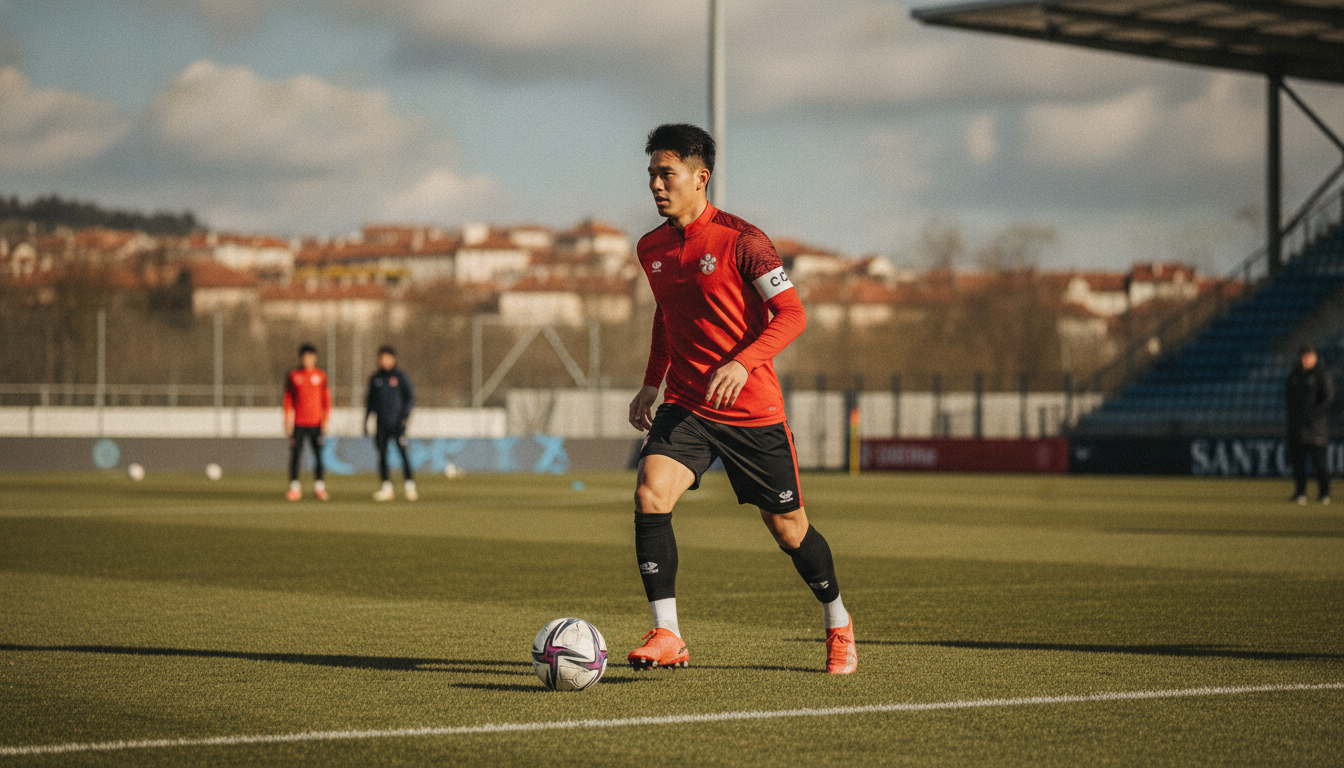
Yue Tze-nam’s surprise Hong Kong captaincy reignites his ambition to play in Europe
Yue Tze-nam was named Hong Kong captain in a 2-0 win over Mongolia; the Beijing Guoan right-back says the armband has reignited his ambition to play in Europe.


Yue Tze-nam handed captain’s armband for Losada’s first match
Yue Tze-nam received a surprise call to wear the captain’s armband for Hong Kong as Roberto Losada took charge in his first match as permanent head coach. The decision came ahead of a scrappy 2-0 victory over Mongolia at Hong Kong Stadium and was described by Yue as an unexpected but welcome responsibility. The moment appeared to galvanize the 28-year-old, who spoke afterwards about renewed belief in his long-standing European ambitions.
Yue’s appointment reflected both his standing within the national setup and Losada’s willingness to place trust in experienced campaigners. Team leaders can shape dressing-room culture as much as they influence on-field tactics, and Yue’s quiet professionalism was cited by teammates as a stabilising presence. For a player often described as introverted, the armband was a significant personal milestone.
Performance in the Mongolia win and immediate impact
On the pitch, Yue featured at his customary right-back position and helped Hong Kong secure the clean sheet that underpinned the win. The match was far from fluent for Hong Kong, but a composed defensive display and moments of forward support from full-backs provided the platform for the result. Yue’s calm handling of pressure moments and organisational input at the back drew praise from staff and colleagues after the game.
While the contest offered few sweeping tactical revelations, it served as a useful first test under Losada’s full-time stewardship. Yue’s role blended defensive duty with the expectation to aid transition play, a requirement that has become standard for modern full-backs. The captaincy placed added emphasis on his communication with teammates, an area where he said he would look to grow.
Roots in Britain: Oswestry School and Swansea trial
Yue’s pathway to the national team and his European aspirations began during a three-year spell studying in Britain at Oswestry School, where he combined education with exposure to higher levels of coaching. During that period he had the opportunity to trial with Swansea City, a formative experience that offered a glimpse of what professional football in the UK demanded. Those early years left a lasting impression on Yue and shaped his view of where he wanted his career to go.
A near move to The New Saints — a club across the Welsh border — came close but ultimately failed to progress because of work permit complications. That administrative barrier has been a recurring theme for many players from the region seeking moves to the British game. For Yue, the missed opportunity has remained a motivating factor rather than a source of regret, reinforcing his determination to prepare for any future chance abroad.
Portugal stint at Cova de Piedade and lessons learned
In 2019 Yue spent time with Cova de Piedade in Portugal’s second tier, an experience that exposed him to a different tactical and cultural environment. He has since acknowledged that he was not fully prepared to capitalise on that stint, framing it as a period of valuable lessons rather than a finished chapter. The exposure to European training methods and match tempo, however brief, added a layer of technical and tactical awareness to his game.
Players moving between footballing cultures often highlight maturity as the difference between raw talent and professional readiness. Yue’s reflection on his Portugal spell suggested he gained insight into the demands of European football that he can now apply with the benefit of additional domestic experience. The trajectory from youthful trial to established international underlines a longer-term process of development.
Beijing Guoan role and domestic form in the CSL
Since returning to domestic football, Yue has established himself at Chinese Super League side Beijing Guoan, where regular competition at a high level has helped refine his game. Playing in the CSL offers weekly exposure to varied tactical systems and higher-intensity matches, attributes that can bridge the gap towards European standards. Coaches at club level have praised his defensive reliability and readiness to learn from varied coaching approaches.
The move to a major domestic club also increases scrutiny and the stakes of individual performances, factors that can accelerate professional growth. For Yue, consistent appearances in China’s top flight provided the foundation for international selection and the credibility to be considered for leadership roles. That platform was a key element in Losada’s decision-making when selecting his captain for the Mongolia fixture.
Work-permit realities and practical routes back to Europe
Work-permit regulations and administrative hurdles remain an unavoidable consideration for players from Hong Kong and wider Asia seeking moves to Britain and parts of Europe. Eligibility criteria often include international caps, league status, and federation rankings, meaning that strong showings for the national team and regular club minutes are crucial. Yue’s recent captaincy and visibility with Beijing Guoan improve his case but do not eliminate formal barriers.
Alternatives include seeking moves to countries with more flexible registration rules or to lower-tier European leagues where work permit processes differ. Trials, short-term contracts, and leveraging agents with continental networks are common avenues for players in Yue’s position. National-team leadership can add persuasive weight to transfer conversations, as it signals maturity and the ability to influence dressing-room dynamics.
How captaincy could reshape Yue’s market and legacy
Wearing the armband in an international fixture is a symbolic vote of confidence that can shift perception among scouts and clubs abroad. For Yue, the captaincy has already been framed as a pivotal personal moment that could reopen conversations about overseas options. Beyond the immediate transfer implications, captaining Hong Kong also enhances his standing within the federation and among domestic supporters.
If Yue translates the leadership opportunity into consistent performances at international and club level, his market value and appeal to European clubs could rise. Clubs often look not only for technical ability but for players who can adapt to new environments and communicate effectively in multicultural teams. The combination of experience in Britain, Portugal and the CSL makes Yue a more rounded prospect than his age might suggest.
Next steps for Yue and Hong Kong under Losada
The next phase for Yue will be to consolidate his leadership and maintain form with both club and country, turning a one-off captaincy into a sustained example of responsibility. Roberto Losada’s decision to select him sends a message about the type of temperament the coach prioritises while outlining an approach that mixes experience with tactical flexibility. Continued strong displays could see Yue appointed in a more permanent leadership role or become a key figure in Losada’s plans.
For Hong Kong, building cohesion under a new permanent coach is the priority, and trusted figures like Yue will be central to that process. The squad will require clear standards on and off the field as Losada implements his methods, and senior players must act as conduits between staff and younger teammates. Yue’s personal goals and the national setup’s ambitions are therefore interlinked: progress at one level supports advancement at the other.
Yue Tze-nam’s unexpected captaincy on a summer evening at Hong Kong Stadium has produced a personal and public reappraisal of his career trajectory. The armband has given him renewed momentum as he weighs the practical steps required to revive his dream of European football. If Yue can combine the leadership he displayed under Losada with consistent domestic form and strategic career moves, a late-stage move to Europe may yet be within reach.