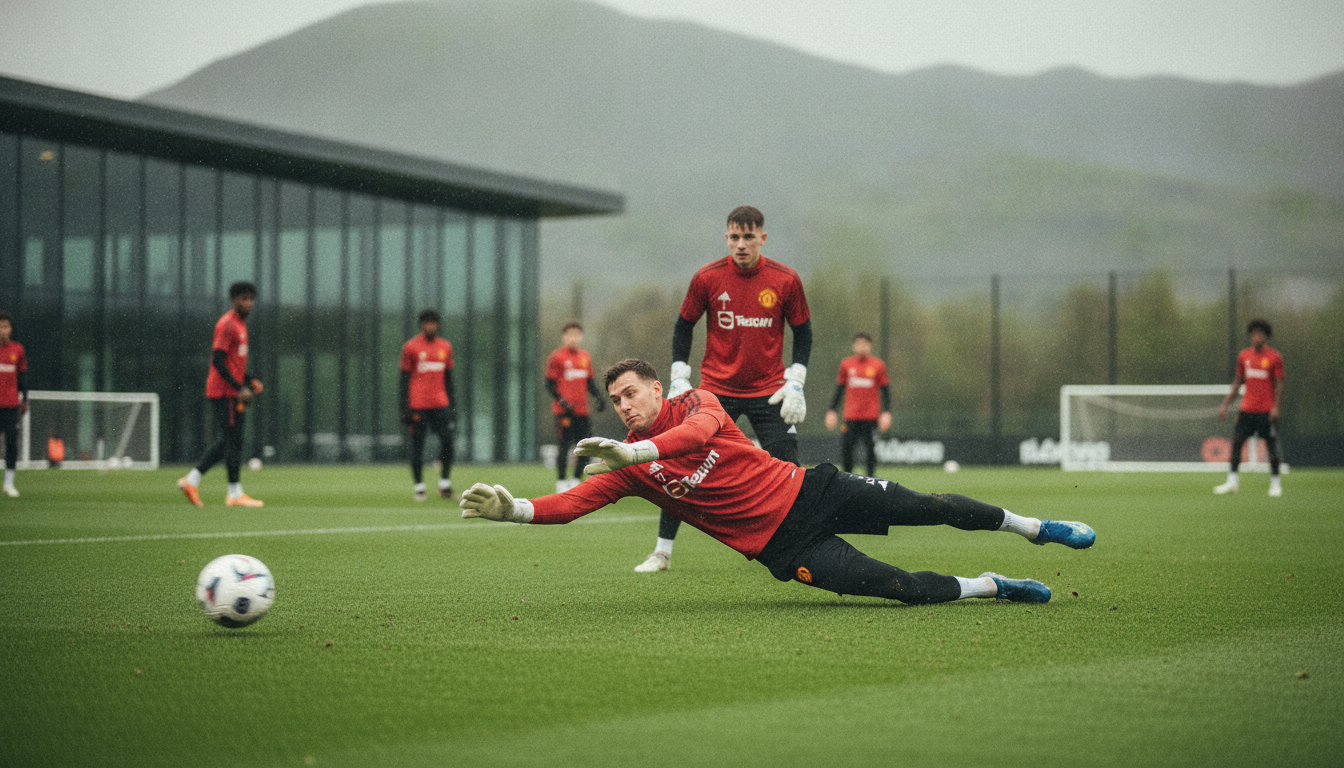
Sam Johnstone emerges as Manchester United’s reported backup target amid goalkeeper reshuffle
Manchester United are reportedly interested in signing Sam Johnstone as a backup goalkeeper this summer, with the 33-year-old linked to Old Trafford as the club looks to reinforce its goalkeeping options.


Lead summary
Manchester United have been linked with Sam Johnstone as they prepare to adjust their goalkeeping ranks ahead of the new season. The move would be intended to provide experienced cover behind Senne Lammens, who established himself as the club’s first-choice last term. Reports suggest United want to bring in a reliable, senior presence as competition and stability in the squad become priorities.
United’s goalkeeping picture and why reinforcements are on the agenda
Senne Lammens finished last season as Manchester United’s principal goalkeeper, turning in the bulk of the club’s Premier League appearances. That emergence has left the club considering depth solutions to protect the position and sustain performance across domestic and European competitions. With a Champions League campaign on the horizon, United are said to be keen to ensure they have dependable options beyond a single starter.
Concerns about the long-term availability and suitability of other keepers in the squad have intensified discussions at board level. One goalkeeper is widely viewed as likely to depart this summer, creating an opening for an experienced backup addition. The club’s recruitment planning reportedly prioritises a strong, seasoned deputy who can step in without a significant drop-off in quality.
Why Sam Johnstone is on United’s radar
Sam Johnstone is being discussed by United as a pragmatic target because of his combination of outright experience and familiarity with the demands of English top-flight football. The goalkeeper has spent much of his career as a regular between the posts for Championship and Premier League sides, and his name has surfaced as a candidate who could provide immediate competition and cover. United’s interest is framed around acquiring someone who can handle high-pressure matches and mentor a younger number one.
Johnstone is a product of earlier training environments that emphasised professional readiness, and his career path has seen him occupy rotation and starting roles at several clubs. That background is attractive to a club that needs a reliable figure to slot into the squad and maintain standards when called upon.
Medical and age-related considerations
At 33, Johnstone brings the benefit of experience but also the realities that come with an older playing profile. Club medical assessments will be central to any negotiations, with fitness history and recent availability forming a key part of the evaluation. Reports flag that the goalkeeper has had intermittent fitness issues in recent seasons, and Manchester United’s technical team would be expected to conduct thorough checks before committing to a transfer.
Bringing in a player of Johnstone’s age for a backup role carries both upside and risk; he can offer composure and match know-how, yet recurring physical concerns could limit his availability across a long campaign. A careful balance between immediate need and long-term contingency planning will determine whether United proceed.
Wolves’ position and contractual context
Sam Johnstone remains under contract with his current club, which leaves any transfer dependent on agreement between the two clubs and the player. The club’s recent team trajectory and league status have influenced their willingness to consider offers for senior players who are not viewed as core to future plans. Sources indicate his employer may be open to negotiations this window, particularly where moves help balance their squad amid financial and sporting recalibrations.
Any transfer would likely involve a fee given the length of the player’s existing deal and the standard market expectations for an experienced goalkeeper. The scale of that fee, as well as potential add-ons or sell-on clauses, would be shaped by the selling club’s bargaining position and United’s appetite to spend for depth rather than a long-term first-choice acquisition.
Tactical and squad implications for Manchester United
Adding Sam Johnstone would alter the dressing-room dynamics and shape selection options for the coaching staff. As a seasoned deputy, he would be expected to push the incumbent when selected and to offer security during cup matches or in the event of injury or suspension. His presence could also relieve pressure on younger keepers by giving them a staged pathway back into contention or a benchmark for professional standards.
From a tactical standpoint, an experienced backup with good communication and organizational skills can be especially valuable for teams that place a premium on defensive structure. The immediate effect would be to increase competition in training and provide a known quantity for rotation, with the broader strategic benefit of safeguarding the club’s ambitions across multiple competitions.
Next steps, timeline and potential hurdles
Should Manchester United wish to move for Johnstone, the next phase would involve a period of negotiation and medical due diligence. Transfer windows often accelerate once initial contact is made, but work remains on agreement over personal terms, the transfer fee and any performance-related clauses. The club will also weigh internal alternatives and possibly explore other targets until a deal is formally tabled.
Key obstacles include resolving fitness questions, matching valuation, and ensuring the signing aligns with the club’s long-term goalkeeper succession plan. Financial considerations and competing offers from other clubs could influence the outcome, as could the player’s own preferences about playing time and role.
Sam Johnstone’s potential arrival would be a pragmatic move by Manchester United to shore up depth in a crucial position. The club’s recruitment team appears to be balancing the need for experienced backup with the desire to maintain upward momentum under the current coaching setup.
If a deal proceeds, it would represent a low-risk, short-term solution designed to protect the club through a congested calendar and to support a young first-choice who will shoulder much of the workload. The coming weeks of the transfer window will reveal whether talks progress from speculation to completion.
The final decision will hinge on medical clearance, transfer terms and how United prioritise competition versus continuity in their goalkeeping department.