Aguirre ends smartphone ban as Mexico advances to World Cup last 32
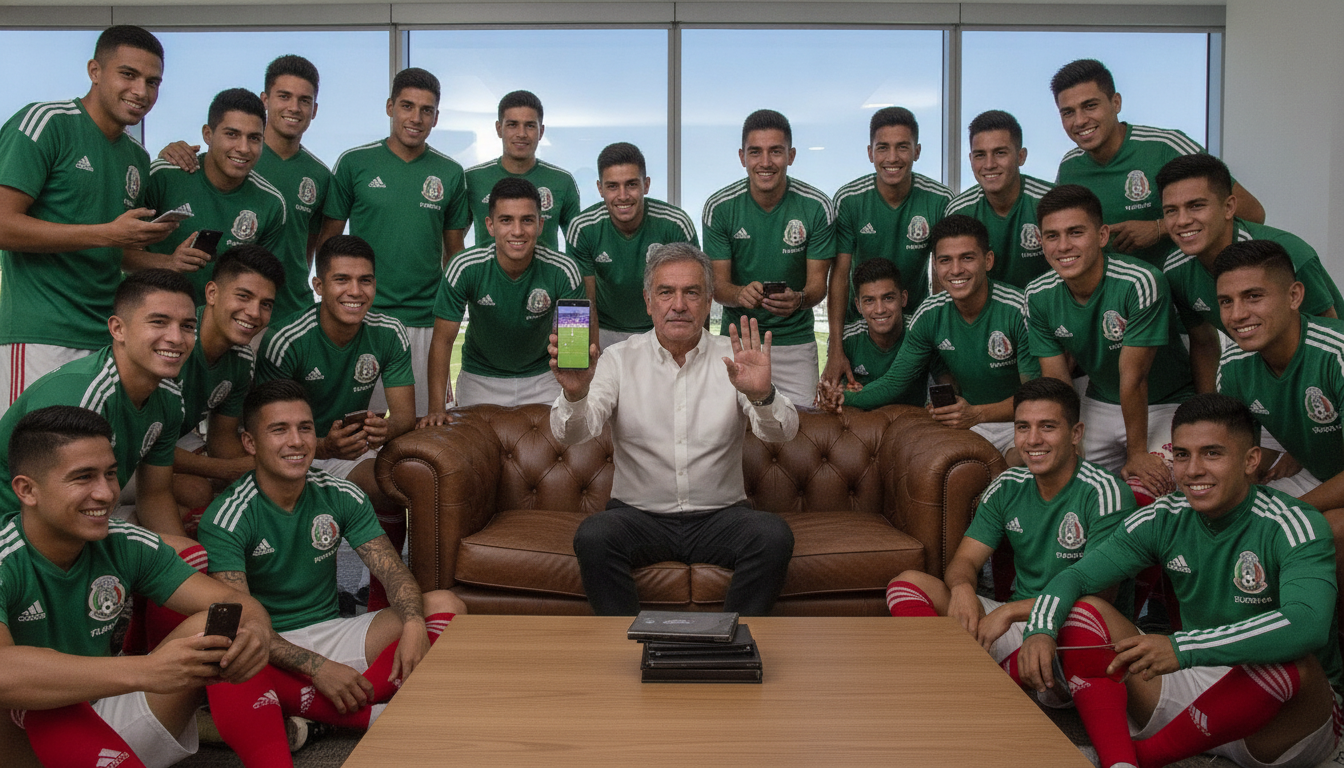
Mexico coach Javier Aguirre says he has dropped his smartphone ban as the national team secured progression to the World Cup last 32 with a win over South Korea. Javier Aguirre smartphone ban is the focal point of a subtle change in camp discipline that has coincided with improved squad morale and results. The coach’s relaxed stance, he says, stems from a calmer personal outlook and a desire to focus on matters he considers important for performance. Mexico’s victory and Aguirre’s new approach have drawn attention as the team prepares for the knockout phase.

Aguirre ends phone crackdown after Thursday win
Aguirre confirmed that he has abandoned the stricter phone rules that characterised earlier camps, allowing players to use smartphones at meals and in the dressing room. The policy shift followed Mexico’s victory over South Korea on Thursday which clinched a place in the tournament’s last 32. The coach said he previously sent staff to confiscate phones or catch players using them, but that era is over. He framed the change as part of a broader personal calm that he believes benefits the squad.
Victory over South Korea secured last-32 spot
Mexico’s win against South Korea was the decisive result that guaranteed progression to the knockout stage of the World Cup. The outcome removed immediate pressure on the group and allowed both staff and players to reflect on tactical gains and personnel decisions. For supporters, the result revived hope of a deeper run after past eliminations in the first knockout round at previous World Cups. On the field, the team combined defensive resilience with moments of attacking urgency to close out the necessary points.
A contrast with past World Cup campaigns
Aguirre’s current temperament contrasts with the more authoritarian style he displayed in earlier international tournaments, including his tenures at the 2002 and 2010 World Cups. Then, strict regulations over player behavior were common in camp and were enforced to maintain focus. Mexico exited in the first knockout round on those past occasions, an outcome that has shaped managerial reflexes and public expectations. The coach’s admission that he “used to declare war on smartphones” acknowledges that those past measures were deliberate responses to the perceived needs of the squad.
Players permitted phones during meals and in dressing room
Under the revised instructions, players may use their phones during meals and in the dressing room, a change the coach says he now permits without concern. Staff previously policed usage tightly, sometimes confiscating devices to prevent distractions. The new tolerance has been presented as pragmatic: Aguirre emphasises prioritising team preparation and match-day focus over policing minor habits. Players have responded in camp with a more relaxed atmosphere, according to observers close to training sessions.
Aguirre attributes calm to family life and experience
Aguirre has cited personal reasons for his change in stance, telling media that becoming a grandfather has contributed to a more relaxed outlook. He described himself as “calmer, more serene,” suggesting that life outside the game is influencing his approach to management. The coach framed the policy change as part of accepting that some details are not critical to performance and that trust in players can be constructive. That attitude is reflective of a manager balancing discipline with individual autonomy ahead of high-stakes knockout football.
Coaching style compared to South Korea counterpart
Observers noted a personality contrast between Aguirre and South Korea coach Hong Myung-bo after the match that sealed Mexico’s progression. Where Hong’s demeanour was measured and restrained, Aguirre’s mix of charisma and newly apparent serenity created a different managerial narrative. The contrast underscored how divergent leadership styles can both yield results on match day, and how tournament pressure often brings those differences into sharp relief. For Mexico, the immediate priority remains converting group-stage momentum into knockout success.
Mexico now turns its attention to the tactical and personnel questions that accompany a switch to single-elimination football. The coaching staff will review performance data, recovery schedules, and opponent scouting to prepare the squad for the demands of the last 32. Maintaining player focus, whether through strict discipline or measured trust, will be a core challenge as match intensity rises. Aguirre’s tolerance of smartphones reflects an attempt to sharpen concentration on what he judges to be decisive elements of match preparation.
Aguirre’s policy change has attracted commentary from former players and pundits who debate the balance between control and player autonomy in elite squads. Some argue that limited freedoms can boost morale and reduce tension, while others warn that lax standards risk distractions at critical moments. The coach’s position — prioritising trust while keeping an eye on performance — sits between those viewpoints and will be judged by how the team performs in the knockout rounds. For now, the decision has afforded players a calmer environment as they ready themselves for the next challenge.
Team leaders and senior players are likely to play an increased role in self-regulation as the tournament progresses. With formal policing relaxed, the onus shifts to captains and veterans to set standards during training, meals, and travel. That internal accountability can reinforce a collective culture without heavy-handed interventions from management. How effectively Mexico converts that responsibility into consistent performance will be central to their chances in the elimination rounds.
Aguirre’s comments reveal a pragmatic calculation: focus attention on tactical preparation and match execution rather than enforcing rules of marginal utility. He has made clear that his priorities lie with on-field performance, and that minor behavioral matters rank lower in his hierarchy of concerns. Whether that calculation proves prescient will be determined in the weeks ahead as Mexico faces higher-quality opposition under knockout pressure. For now, the squad advances with momentum and a relaxed camp atmosphere.