Netherlands vs Sweden: Brobbey brace sets tone as Netherlands dominate and Germany reach knockouts with Undav winner
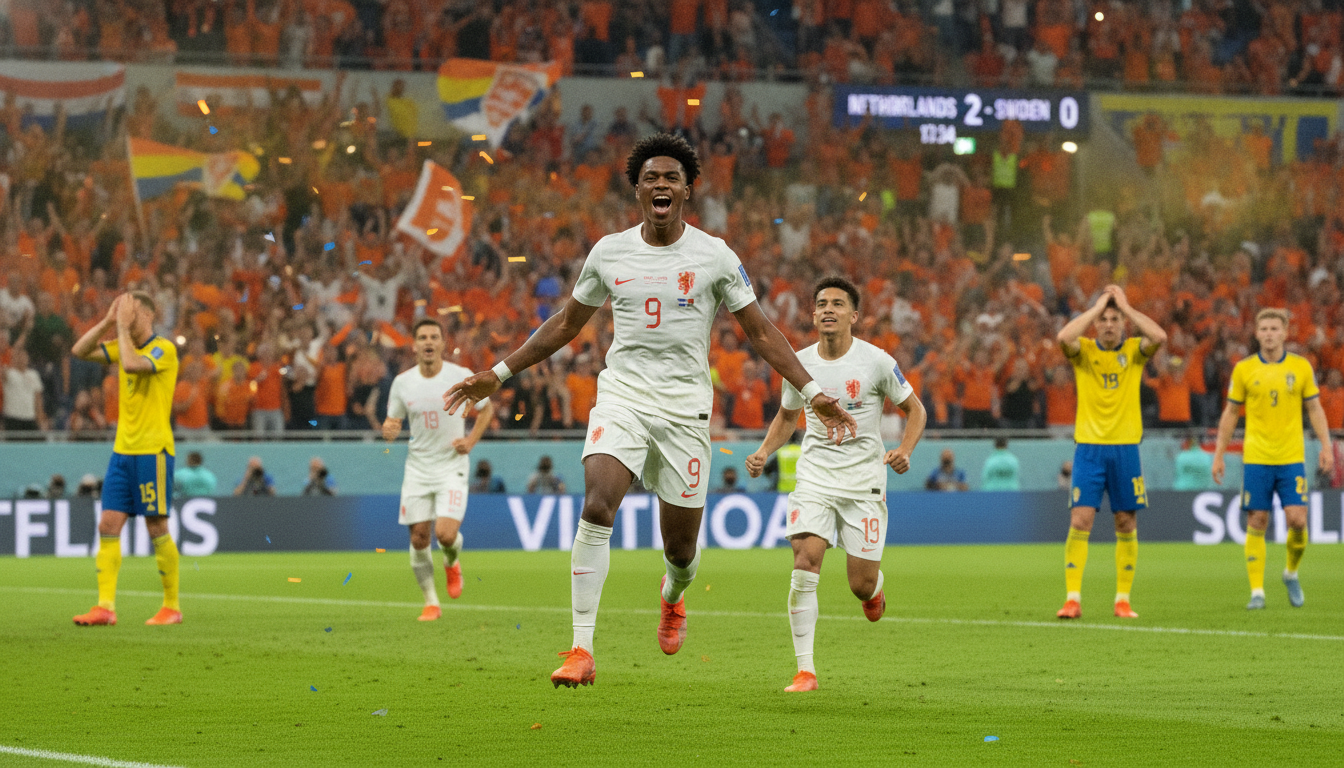
Netherlands vs Sweden: Brian Brobbey’s early double put the Dutch in command as the Netherlands produced a dominant performance against Sweden, while Germany clinched a knockout spot thanks to Deniz Undav’s late winner.
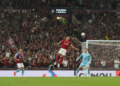
Opening summary of the action
The Netherlands vs Sweden fixture turned into a one-sided affair after Brian Brobbey struck twice inside the opening 17 minutes, setting the tone for a commanding Dutch display. Sweden struggled to recover from the rapid setbacks and failed to impose themselves in key moments, leaving their coach with urgent questions to answer. Germany, meanwhile, secured progression to the knockout rounds when Deniz Undav delivered a dramatic late goal in Toronto, ending a tense contest and booking his side’s place in the next phase. The morning’s fixtures provided sharp contrasts: clinical finishing from the Netherlands and a ruthless final touch from Germany versus missed opportunities from their opponents.
Brobbey brace sets tone as Netherlands rout Sweden
Brian Brobbey’s quick double forced Sweden onto the back foot almost immediately and unlocked spaces the Dutch exploited throughout the match. The early goals shifted momentum decisively, allowing the Netherlands to control possession and tempo while Sweden chased the game. Tactical adjustments from Sweden failed to stem the flow of Dutch attacks, and the visitors rarely looked capable of mounting a realistic comeback. By the time the match settled into its middle phases, the Netherlands had established the kind of territorial advantage that turned pressure into clear chances.
The timing of Brobbey’s strikes proved especially damaging because they came before Sweden could find cohesion in midfield or test the Dutch defence. That quickfire duo not only altered the scoreboard but also rewrote the psychological script, giving the Netherlands the confidence to press higher and rotate attacks. Sweden’s attempts to respond were met with clinical defending and swift transitions from the Dutch, who repeatedly bypassed Sweden’s midfield lines. Set-piece threats and wide play complemented the central incisiveness shown in the early moments, underlining the Netherlands’ all-round superiority.
Germany seal knockout spot with Deniz Undav’s late winner
Germany’s match produced a different kind of drama: a tight, competitive encounter decided by a single, decisive intervention in the closing stages. Deniz Undav emerged as the match-winner in Toronto, where his late goal finally broke a stubborn defensive resistance and sent Germany through to the knockout rounds. The finish was a reminder of the fine margins that separate progression from elimination in major tournaments, and of the value of persistence when chances are scarce. Germany’s advancing status will now shift their focus to knockout preparation and squad management ahead of the next round.
The German victory was illustrative of a side able to grind out results as well as produce moments of brilliance when required. Ivory Coast were left to rue missed opportunities and lapses in concentration that proved costly in the end. Tactical discipline and timely substitutions from the German bench helped sustain pressure until the breakthrough arrived. For the winning squad, the result provides breathing space in group calculations and an opportunity to manage players’ minutes in the run-up to a more demanding schedule.
Graham Potter faces scrutiny after Sweden collapse
Sweden’s coach, who has previously overseen big victories, now finds himself confronting the opposite problem as his side laboured under the weight of a swift collapse. The early concession of two goals invited scrutiny over selection choices and game management, particularly in terms of defensive shape and response to high pressing. Potter’s experience in both domestic and international football will be tested as Sweden evaluate how to regroup and salvage their tournament hopes. Public and internal scrutiny can intensify quickly in World Cup settings, and pragmatic answers will be expected in training and tactical revisions.
From the players’ perspective, the loss underscored the need for mental resilience and quicker adaptations when matches turn against them. Sweden’s dressing-room conversations will likely centre on recovery plans and clearer communication on the field. The coaching staff must also address set-piece organization and transitional defending to prevent a repeat in upcoming fixtures. How Potter reorganizes the squad and instils urgency in the next preparation window will shape Sweden’s path through the group.
Key tactical moments and standout performances
The Netherlands’ early success stemmed from compact build-up play that prioritized swift vertical passes and overloaded channels to create mismatches. Brobbey benefited from service arriving at pace and intelligent runs that split Sweden’s centre-backs, while teammates provided consistent options to recycle possession and stretch the opposition. Defensively, the Dutch maintained a disciplined line that limited Sweden’s central penetration and forced opponents to rely on low-probability wide deliveries. The balance between pressing intensity and structural control allowed the Netherlands to maintain sustained pressure without leaving themselves exposed.
Germany’s match hinged on small tactical adjustments that gradually tilted the contest in their favour, including a late attacking substitution that added fresh impetus to the final third. The winning sequence came after phases of organised probing and carefully timed risk-taking, demonstrating a team comfortable with both possession phases and rapid counter opportunities. For Ivory Coast, the game illustrated the consequences of spurned chances and the importance of concentration at the death. Individual defensive lapses and a lack of clinical finishing were the fine margins that ultimately determined the result.
Implications for group standings and qualification scenarios
The Netherlands’ comprehensive display will have immediate implications for group dynamics, improving their goal differential and psychological standing among rivals. A convincing victory not only lifts the team’s points tally but also signals to other contenders that the Dutch can convert pressure into goals early and often. Sweden’s reverse, conversely, complicates their route to the last 16 and likely increases the pressure in subsequent matches where points will be essential. With Germany already confirmed in the knockout phase, other teams in that group must now navigate results and potential tie-breakers more conservatively.
Mathematical permutations remain in play, but momentum and confidence are intangible factors that often matter as much as points. Teams that can carry forward positive form will have added leverage in tight fixtures, while those recovering from defeats must make quick adjustments to avoid a downward spiral. Coaches will now face decisions about rotation, risk management and whether to chase additional wins or consolidate position depending on remaining opponents and match scheduling. The next round of games will be decisive for many squads trying to secure or salvage their place in the tournament.
Upcoming fixtures and what to watch next
Attention now turns to fixtures later in the day, with Ecuador versus Curacao and Tunisia facing Japan among the scheduled matches. Ecuador’s approach and Curacao’s responses will shape their respective group trajectories and provide fresh talking points about tactics and squad depth. Tunisia’s game against Japan will be especially scrutinized after previous results placed additional pressure on both teams to produce decisive performances. Observers should watch for adjustments in team selection, substitution patterns, and how coaches manage fatigue over a compressed tournament schedule.
Player form and fitness will be key variables as tournaments move quickly from group stages to knockout rounds. Teams that can combine strategic rotations with consistent intensity often gain an edge in the latter stages, and managers will be balancing immediate needs with longer-term objectives. Set-piece efficiency, midfield control and transitional speed will likely determine many of the upcoming matches, as coaches look for reliable paths to secure vital three points. Fans and pundits alike will be watching closely to see which squads adapt successfully to evolving circumstances.
The flow of the tournament is now shaped by contrasting narratives: the Netherlands asserting their attacking credentials with a fast start, Germany demonstrating late-game resolve to clinch progression, and other teams preparing for pivotal matches that could redefine qualification hopes. The coming days will reveal whether the early momentum converts into sustained campaigns or whether the tightly packed schedule and tactical battles produce further surprises.