Super Eagles Absence Leaves Nigeria’s World Cup Viewing Centres Empty and Businesses Hurting
Nigeria’s World Cup absence has silenced viewing centres nationwide, emptying seats and cutting income for vendors as fans shift to home streaming and late-night watching.


Nationwide Quiet: Viewing Centres Sit Empty
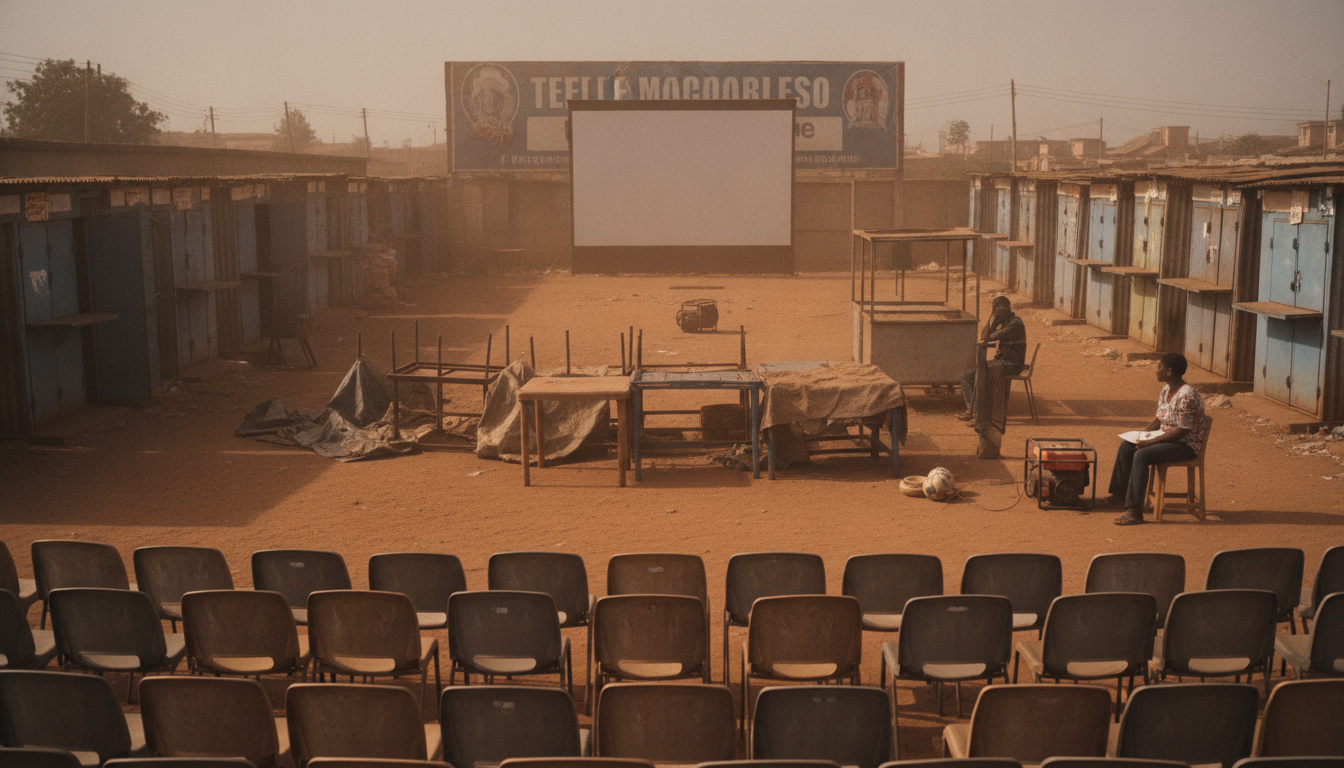
Across cities from Abuja to Lagos, projection screens and loudspeakers are running, but many viewing centres that once thrummed during World Cups are noticeably underfilled. The Super Eagles absence has removed the central draw that normally fills halls, sends neighbourhoods into festive motion and guarantees steady revenue for operators. Attendance has dropped sharply for most fixtures, with only marquee matches and big-name teams still pulling modest crowds.
Operators report that the usual pre-match queues and packed rows of plastic chairs have become rare sights this tournament. Where crowds once arrived hours early, many venues now open with only a handful of patrons, forcing owners to scale back generator use and reduce staffing. The change is not uniform across the country, but the prevailing pattern is one of diminished footfall and quieter streets on match nights.
Abuja and Lagos: Different Faces of Decline
In the Federal Capital Territory, districts that previously specialized in live football screenings are feeling the loss acutely. Several hall operators say income for the World Cup period has fallen by more than half, prompting them to show only the biggest games and to offer free entry at times to attract any audience. The drop in customers has also forced some to cut corners on power and service to limit costs.
Lagos presents a different mix of pressures: time-zone challenges, safety concerns and competition from streaming platforms. Many World Cup fixtures kick off in the late hours or early mornings, making it impractical for some fans to travel to viewing centres. As a result, a sizeable portion of the city’s supporters now prefer watching on home devices, which reduces demand for public screenings and leaves operators struggling to cover fuel and subscription expenses.
Economic Impact on Informal Businesses
The decline in public viewership has translated quickly into lost income for a swath of informal traders who rely on tournament crowds. Food sellers, drink vendors, transport operators and small stallholders often see their busiest nights during World Cup matches, and this year many report revenue plunges that threaten livelihoods. The reduction in customers has been particularly severe for those whose sales once surged for a single month or two every four years.
For many vendors, the World Cup is more than entertainment—it is a critical seasonal boost that helps them manage slow periods the rest of the year. With fewer patrons turning up, some vendors are selling a fraction of their normal volumes, and several operators say they are operating at a loss once fuel and other overheads are accounted for. The contraction in casual employment and informal trade around viewing hubs is adding pressure to households already coping with broader economic strains.
Cities That Bucked the Trend
Not all urban centres have seen equal declines. In certain locations, local dynamics and strong loyalty to African teams or star players have kept crowds relatively steady. Port Harcourt, for instance, continues to attract significant patronage for high-profile matches and games featuring African countries. Operators in these pockets report renting extra chairs to meet demand and say that Nigerian-born players representing other nations still draw attention.
These variations highlight that the World Cup’s appeal remains broad even without Nigeria participating, but regional differences in fan behaviour, venue culture and scheduling determine whether viewing centres thrive or suffer. Where local organisers have marketed big-match nights effectively or where communities maintain stronger communal viewing habits, attendance has held up better than in places where home viewing and late kick-offs dominate choices.
Shift to Home Viewing and Technology
The tournament has accelerated a shift toward private, home-based consumption of matches. Sales of larger TVs and streaming devices have risen as many supporters choose the safety and convenience of watching at home. For some, the economics are compelling: avoiding fuel costs, subscription fees passed to many viewing hubs, and the logistical risks of late-night travel.
Streaming platforms and informal betting shops offering free access have further eroded the paid-audience model for public venues. The convenience of mobile viewing has also encouraged younger fans to watch individually or in small groups, fracturing the collective experience that viewing centres historically provided. These technological shifts are altering the business calculus for venue owners and reshaping how communities engage with major football events.
Cultural Cost of Missing the Super Eagles
Beyond the financial toll is a palpable cultural loss. The World Cup has long functioned in Nigeria as a communal ritual that temporarily dissolves social divisions and creates shared, visceral moments of joy and disappointment. Without the Super Eagles, many fans describe a sense of dislocation—watching great matches but missing the deeper emotional connection that comes from supporting a national side.
Social media trends during the tournament have reflected this nostalgia, with fans circulating clips from past campaigns and expressing longing for renewed national participation. Analysts note that football offers a rare, unifying outlet during times of economic and social stress, and the absence of a national team at the sport’s biggest stage removes a focal point for that solidarity.
Nigeria now faces not only a short-term commercial slump around the 2026 World Cup but a longer-running conversation about how to rebuild competitive performance and restore the communal rituals that rally the nation. Several observers argue that reviving the Super Eagles on the international stage would have immediate cultural and economic benefits for local communities.
The coming knockout stages may yet bring temporary relief for struggling venues as high-stakes matches involving global heavyweights attract fans to public screens. But for many operators and vendors, the tournament has underscored the fragility of businesses that depend on a single event cycle and the need to adapt to changing consumption habits.
As the World Cup progresses in North America, Nigerian supporters continue to follow the drama from living rooms, phones and the occasional packed hall. The appetite for football endures, but this edition has laid bare how central the Super Eagles are to the nation’s World Cup ritual and how their absence reverberates far beyond the pitch.