Argentine Operation Seizes Nearly 10,000 Modified TV Boxes in Major Anti-Piracy Raid
Argentina’s justice system seized almost 10,000 modified TV boxes linked to large-scale piracy and identified eight suspects, alleging the devices were used to access premium sports and streaming content illegally.


Operation seizes modified TV boxes and names eight suspects
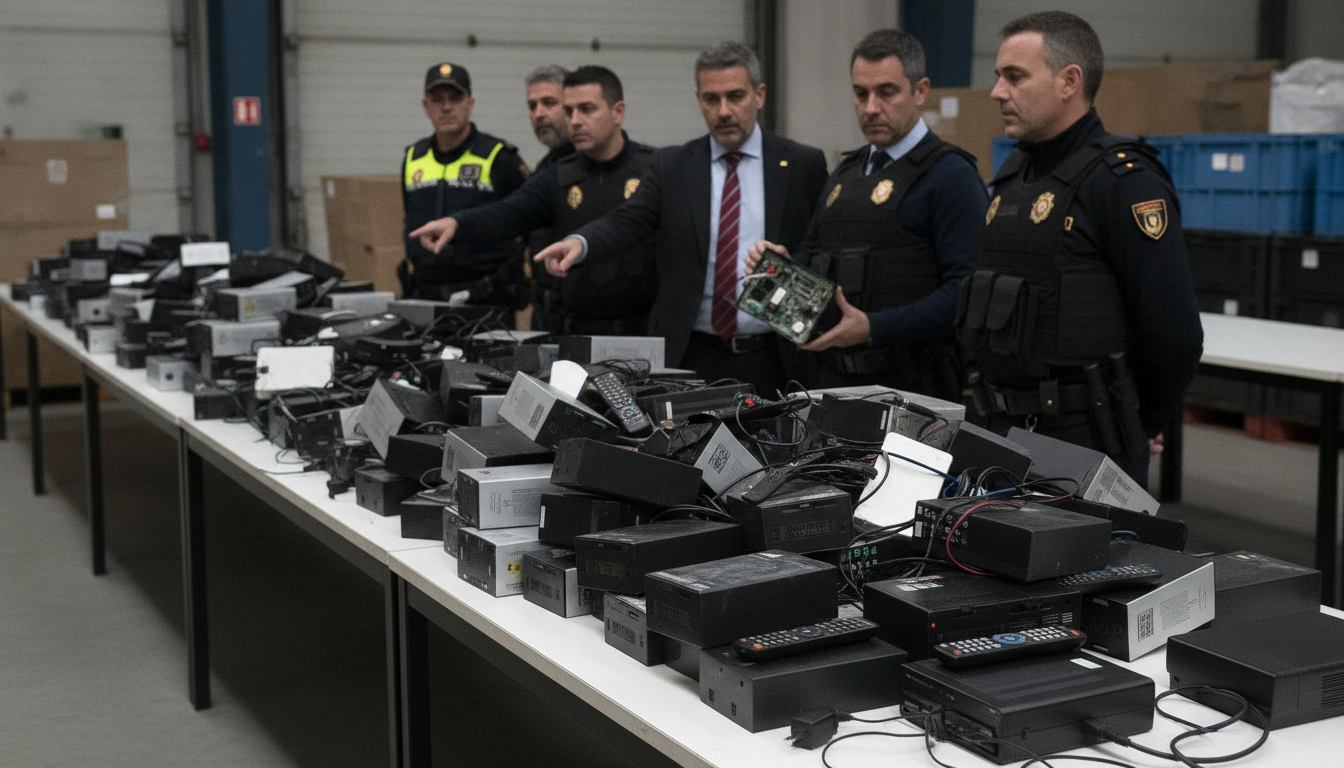
The Argentine Fiscalía de Cibercrimen de San Isidro and Juzgado de Garantías N.º 4 led a coordinated judicial operation that removed close to 10,000 modified TV boxes from the market. Authorities said the seizure followed an investigation into devices preloaded with pirate applications that enabled unauthorized access to premium television, live sports events, movies and streaming platforms. Eight people were identified as suspects accused of importing, distributing and selling the equipment in a network that investigators describe as regionally organized.
Law enforcement officials executed the measures with the support of specialized police units, including the Division of Investigations of Criminal Organizations of the Buenos Aires City Police and the DDI San Isidro of the Buenos Aires provincial police. Prosecutors indicated the operation targeted both the physical distribution chain and the digital infrastructure that enabled signal redistribution. Judicial sources say additional measures, including asset tracing and records seizures, may follow as the case advances toward potential prosecutions.
The scale of the seizure was presented by authorities as a significant disruption to a supply chain that allegedly brought illicit devices into Argentina and prepared them for resale in the domestic market. Investigators stressed that the operation aimed not only to eliminate hardware on shop shelves and online marketplaces, but also to gather technical evidence to support criminal charges against those who organized the trafficking and commercial distribution.
Investigators trace supply chains to China and Paraguay
Judicial findings point to China and Paraguay as the two primary origin markets for the modified TV boxes, with importation routes and informal distribution networks feeding the local trade. Authorities said the devices were often brought in through non-declared channels or via undervalued shipments, a pattern that complicates customs enforcement and inflates the volume of units entering the country. Prosecutors estimate annual flows of TV boxes into Argentina are substantial, and only a fraction pass through formal customs procedures.
Market analysis presented to investigators indicates the total regional flow of such set-top devices may reach roughly 1.5 million units per year in Argentina alone, with many distributed through informal retail and online sellers. Judicial teams working with platform partners identified more than 500 online sellers offering preconfigured devices, a discovery that proved crucial to mapping the commercial side of the network. Investigators now plan to pursue cross-border leads to determine whether the same supply channels and intermediaries operate elsewhere in the region.
Authorities described a mixed ecosystem of suppliers, with some actors focused on bulk import and others on local modification, marketing and after-sales distribution. That division of labor, prosecutors argue, allowed the criminal structure to scale quickly, combining overseas sourcing with local sales tactics that targeted consumers looking for low-cost access to premium content.
Devices arrived preloaded with piracy apps and sports streaming services
Technical inspections of the seized equipment revealed they were sold already configured with illegal streaming applications and services that bypassed official subscription systems. Investigators cited examples of pirate apps used to replicate or redistribute pay television and live sporting events, creating unauthorized access points for thousands of consumers. Prosecutors and rights holders described the practice as a coordinated effort to monetize access to copyrighted content without compensating rights owners.
LALIGA, which participated from the outset, provided technical intelligence and signal traceability that helped link the devices to illicit redistribution of sports broadcasts. Rights-holding entities said the modified TV boxes offered a low-price alternative that undercut legitimate subscription services and undermined commercial models for live and on-demand programming. The evidence gathered includes configuration files, server logs and transactional data that prosecutors say will be used to demonstrate the scope and mechanics of the piracy operation.
Industry representatives highlighted a consistent pattern in the market: low retail prices, aggressive online promotion and preinstallation of applications that replicate paid channel lineups. Investigators noted that this model makes it easy for consumers to obtain devices that appear user-ready, while concealing the illegal back-end services that supply the pirated streams.
Technical analysis finds malware and privacy risks in the devices
Beyond copyright infringement, technical analysts involved in the inquiry reported that many of the modified TV boxes carried software components with capabilities consistent with malware. Forensic examinations indicated the devices could collect personal data, access connected home networks and potentially compromise other devices on the same network. Prosecutors warned that consumers purchasing these units risked exposing financial information, credentials and other private data to third parties.
Authorities described scenarios in which compromised devices could serve as entry points for broader cybercrime activity, including data harvesting and remote-control operations that persist after a consumer believed the device had been turned off. The investigative team emphasized that the malware-like behavior compounded the legal consequences of trafficking in illegal TV boxes, turning what some buyers saw as a cheap entertainment hack into a public safety and cybersecurity concern. ENACOM and other technical bodies participated in device verification during raids to document the nature and scale of the digital risk.
Experts advising the probe stressed that the presence of hidden or unauthorized code often allows operators to change streaming sources remotely, update illicit applications and conceal control servers, thereby sustaining a pirate ecosystem that can be quickly reconstituted. Those technical attributes, investigators say, are central to establishing the criminal intent and the organized nature of the network.
Industry and platform cooperation accelerated the investigation
Multiple private-sector partners supplied evidence and analytic capabilities that prosecutors credited with advancing the case rapidly. LALIGA contributed signal-tracing technology and broadcast intelligence, while DirecTV and the Alianza Contra la Piratería Audiovisual provided content verification and chain-of-evidence support. Mercado Libre conducted a parallel analysis of its marketplace and cross-referenced digital seller data with physical distribution patterns, identifying hundreds of accounts offering preconfigured devices for sale.
Judicial sources said the cooperation allowed investigators to link online listings and transactional metadata to physical shipments and local storefronts, creating a comprehensive investigative trail. Mercado Libre’s work reportedly identified more than 500 sellers of illegal devices on its platform, information that prosecutors used to build cases against intermediaries and distributors. Investigators emphasized that the combined efforts of rights holders, platforms and enforcement agencies were critical to disrupting a market that operates at the intersection of e-commerce and illicit content distribution.
Officials from participating organizations framed the operation as an example of public-private coordination to uphold intellectual property rights and protect consumers. Statements from rights holders characterized the seizure as a necessary intervention to deter networks that profit from redistributed content, while enforcement agencies highlighted the broader law-enforcement priorities related to cybercrime and organized trafficking.
Estimates suggest millions of users and major economic impact across the region
Prosecutors and market analysts presented figures indicating that piracy networks tied to modified TV boxes affect millions of users across Latin America. Judicial documents referenced at least 8 million confirmed paid subscribers served through illicit services, with a regional potential impact estimated at up to 20 million users. Those numbers underscore the commercial reach of the pirate ecosystem and the potential revenue losses for legitimate rights holders and distributors.
The economic model described in the investigation shows devices commonly sold for roughly $50 per unit while offering access to large bundles of premium content, a price point that enabled rapid adoption among cost-sensitive consumers. Investigators and industry representatives warned that the combination of low device cost, preinstalled pirate applications and broad availability through online marketplaces contributes to sustained demand that fuels the illegal trade. Authorities noted that reducing supply and disrupting back-end services are both essential to limiting the market’s growth.
Judicial teams said the operation aims to set a precedent for future investigative work and encourage stronger enforcement across borders, given the transnational elements of procurement and distribution. Prosecutors expect follow-up actions, including identification of financial flows and potential charges against those who organized imports, modified software, and maintained the infrastructure that delivered pirated streams to end users.
Authorities continue to examine technical evidence and pursue leads that may extend beyond Argentina, while stakeholders in the broadcasting and streaming sectors evaluate additional preventive measures and monitoring strategies to limit similar schemes. The investigation underscores the intersection of intellectual property enforcement, consumer protection and cybersecurity in the evolving market for connected media devices.
The judicial inquiry remains active, with prosecutors and cooperating organizations indicating further measures are possible as forensic analysis and cross-border inquiries proceed.