Bayern Munich 5-4 PSG: Kompany hails attacking display but warns over defensive lapses ahead of return leg
Vincent Kompany praised Bayern Munich’s attacking display after the Bayern Munich 5-4 PSG Champions League semi-final first leg, while urging urgent defensive improvements before the return in Munich next week.


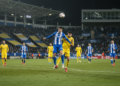
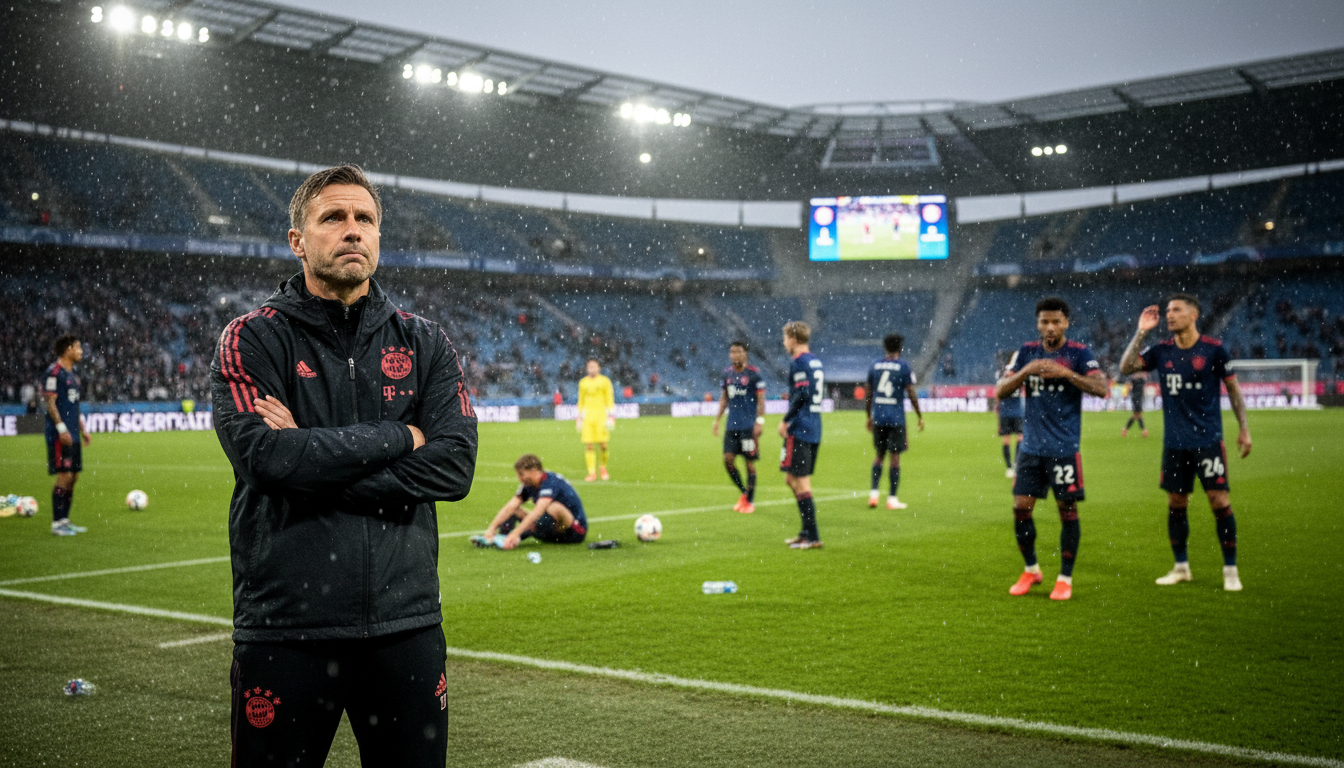
Bayern Munich produced an extraordinary attacking performance in a 5-4 defeat to Paris Saint-Germain in the first leg of their Champions League semi-final on Tuesday, a match that left coach Vincent Kompany both impressed and concerned. Watching from the stands because of a suspension, Kompany applauded his side’s offensive intent and said they "could have scored two or three more goals," while stressing the need to tighten defensive organisation ahead of the home fixture. The result leaves the tie finely poised but places a clear onus on Bayern to recover at the Allianz Arena with a vociferous home crowd expected. Kompany also admitted he found it uncomfortable to observe the game away from the touchline but praised his players’ mentality in a contest he described as one for fans who love football.
Kompany praises attacking display but flags defensive shortcomings
Vincent Kompany said Bayern’s forward play was relentless and suggested his team created more than enough chances to alter the scoreboard in their favour. He told reporters that, despite the loss, he believed his side "could have scored two or three more goals," highlighting the volume and quality of their attacking work. At the same time he warned that the team’s defensive organisation when possession was lost was inconsistent and left them exposed to rapid Paris Saint-Germain counters.
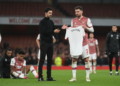
The coach also noted the psychological element of watching the match from the stands rather than the touchline, an awkward position imposed by a suspension. Kompany joked with opposition coach Luis Enrique about vantage points while underlining that the game’s ebb and flow revealed both strengths to build on and specific vulnerabilities to address. He framed the result as salvageable but insisted changes are needed before the second leg.
Kompany’s comments, delivered via the club’s media channels, struck a dual tone of admiration and urgency. He praised the players’ mentality and attacking courage while making clear that defensive discipline must improve if Bayern are to overturn the deficit at home. His public message was both a reassurance to supporters about the team’s offensive capacity and an unambiguous call for tactical refinement.
Match dynamics and turning points in a nine-goal spectacle
Tuesday’s fixture was marked by frequent momentum swings and rapid transitions that contributed to an unusually high-scoring affair. Both sides displayed an aggressive approach, combining forward surges with moments of defensive disarray that produced scoring opportunities at either end. Bayern’s sustained pressure often left them in and around PSG’s penalty area, but turnovers and transitional moments proved costly.
Defensive lapses when possession was lost repeatedly invited counter-attacks from PSG, a pattern Kompany specifically highlighted after the match. Those transitions allowed the visitors to exploit spaces behind Bayern’s advanced lines, turning moments of dominance into immediate threats. The balance between attacking ambition and defensive prudence therefore emerged as the key narrative of the night.
Despite the loss, Bayern’s ability to create chances and threaten at regular intervals provides a platform for the return fixture. The challenge for Kompany and his coaching staff is to retain the offensive intensity while implementing systems that reduce exposure to counters and quick turnovers.
Tactical adjustments Bayern are likely to consider
Bayern will need to refine their transitional shape and make adjustments to the moments immediately after possession is surrendered. Kompany’s assessment pointed to the necessity of improved organisation among midfielders and full-backs to prevent opponents breaching the midfield line at pace. Practical tweaks could include quicker recovery runs, clearer defensive roles on turnovers, and a more conservative initial press in certain phases.
Another area for attention is defensive coordination during set pieces and swift opposition counters, where concentration lapses proved expensive. Coaching staff will likely emphasise communication and compactness in training sessions leading up to the return leg. Substitution patterns and in-game management may also be adapted to protect against the fatigue that can increase vulnerability to fast breaks.
Those tactical changes must be balanced with preserving the attacking attributes that produced a high volume of chances on Tuesday. Kompany’s challenge is to produce a team that combines the front-foot mentality the supporters admire with a structural discipline that neutralises PSG’s counter-attacking strengths.
Implications for the Champions League semi-final tie
The 5-4 scoreline leaves the tie finely balanced, with Bayern needing a favorable result in Munich to progress to the final. Kompany framed the task simply: the team must win at home, a circumstance Bayern have often managed in big European nights. While the first-leg defeat was painful, the close aggregate scoreline affords Bayern a realistic path to overturn the deficit over 90 minutes at the Allianz Arena.
The psychological significance of returning to a packed stadium cannot be overstated, according to Kompany, who called for a massive turnout and fervent backing. He specifically referenced the need for around 75,000 supporters to recreate an atmosphere that can energise the players and unsettle the opposition. Home advantage in this context becomes not just about the pitch but about crowd influence, momentum and pressure on visiting players.
From a competition perspective, both teams remain within reach of the final and must approach the second leg with strategic caution and competitive aggression. The outcome in Munich will hinge on which side better balances controlling the rhythm of the game with limiting the opponent’s most potent threats.
Supporter stakes and the role of atmosphere at the Allianz Arena
Kompany appealed directly to the Bayern fanbase, urging them to produce an atmosphere comparable to previous high-profile matches, and even suggested it might need to be louder than the club’s famous night against Real Madrid. He underlined how stadium intensity can influence refereeing decisions, player confidence and the overall momentum of a match. The coach’s public call serves as both a morale boost to supporters and a reminder of the club’s reliance on its home crowd in crucial European ties.
Ticket demand and fan planning for the return leg are likely to spike following Tuesday’s dramatic scoreline, with supporters expecting a tense and emotional encounter. The club will also be mindful of managing security and logistics to ensure the atmosphere is sustained safely throughout the fixture. For players, the prospect of a near-full stadium focused on overturning a one-goal deficit provides a clear emotional and competitive incentive.
For PSG, the prospect of playing in a hostile environment will test their ability to absorb pressure and execute a pragmatic game plan. For Bayern, harnessing the crowd’s energy in a controlled, strategic way will be integral to their hope of reversing the result.
What Bayern must do to overturn the deficit and reach the final
Practically, Bayern must combine attacking efficiency with tighter defensive work to reduce the number of clear counter opportunities afforded to PSG. That may require situational adjustments such as delaying forward runs at key moments, instructing midfielders to shield the back line more closely after losing possession, and prioritising recovery runs by wide defenders. Small tactical alterations can have outsized effects in a high-stakes, closely matched tie.
Game management will also be crucial: controlling tempo, conserving energy where appropriate, and making timely substitutions to respond to PSG’s tactical shifts. Mental resilience and focus on fundamentals—clearances, marking, and set-piece organisation—will be decisive in a match where margins are thin. Kompany’s insistence on defensive improvement signals where the coaching emphasis will fall in the final days of preparation.
Ultimately, Bayern’s route to the final will be determined by their capacity to preserve the qualities that generated nine goals while plugging the specific holes that allowed Paris Saint-Germain to punish them on the break.
The tie now moves to Munich with everything to play for, and Kompany has sent a clear message: Bayern’s attack gives them belief, but defensive discipline will determine whether they progress to the Champions League final.