Lira hotel infrastructure under spotlight as Uganda races to meet AFCON standards
Uganda urges private investors to expand Lira hotel infrastructure ahead of Africa Cup of Nations matches to avoid losing hosting rights and support visiting teams.

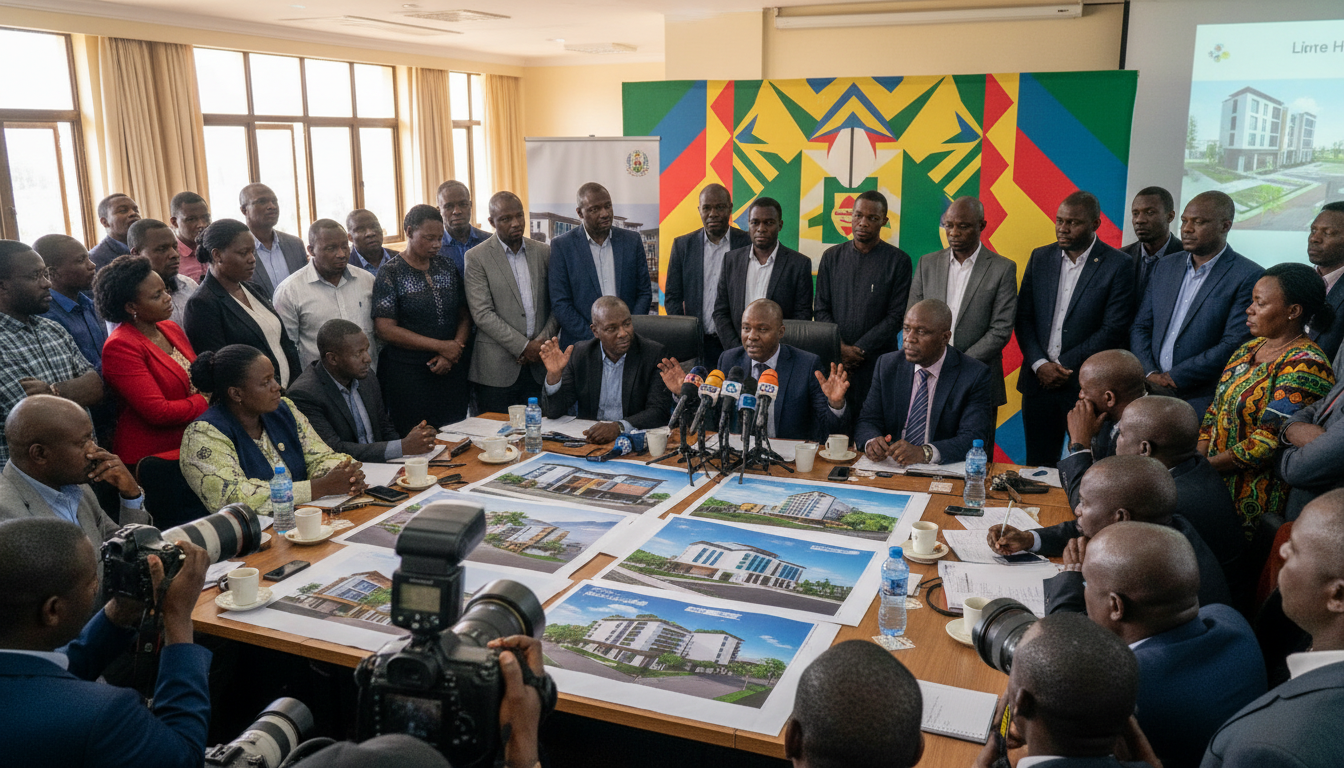
Lira has been thrust into the national spotlight after government officials warned that the city’s limited accommodation could jeopardize plans to host Africa Cup of Nations (AFCON) matches. State Minister for Sports Peter Ogwang used a site handover at Lira University to press the case, saying that while stadium work has progressed, sufficient high-grade hotels remain a critical gap. The minister framed the appeal as urgent, noting that meeting Confederation of African Football (CAF) grading standards will require rapid private-sector investment in the city’s hospitality capacity.
Government appeals to private sector for rapid hotel investment
State Minister Peter Ogwang made a public appeal to Lira’s private sector during the training-facility handover, stressing that government efforts alone will not meet CAF deadlines. He warned that a stadium capable of hosting international matches is only part of the requirement, and that certified accommodation is equally non-negotiable. Ogwang framed the situation in stark terms: the country faces strict timelines and there are “no shortcuts” if Lira is to host elite competitions.
Officials say the appeal is not merely rhetorical but tied to binding CAF standards that the host cities must satisfy. The government has signaled readiness to facilitate investment through permits and targeted infrastructure works, but it repeatedly emphasized that private developers must mobilize capital quickly to expand the hotel stock. The message to hoteliers was direct: without modern, graded rooms and services, teams and officials may be billeted elsewhere.
CAF inspection flagged training and accommodation shortfalls
A recent inspection by CAF’s head of compliance and infrastructure raised specific concerns about both training facilities and accommodation options in and around Lira. Inspectors noted that while progress has been made on the stadium itself, certified hotels meeting CAF requirements are still lacking. Officials relayed that these findings translate into actionable deliverables that must be completed within a narrow window.
That external compliance assessment appears to have sharpened the sense of urgency among local and national authorities. CAF’s grading system demands not only physical room counts but also supporting services such as secure transport links, medical readiness and catering standards. Without those elements verified, the city’s capacity to host visiting delegations and to serve as a training base remains in doubt.
Current bed capacity falls well short of AFCON needs
Local estimates indicate that Lira’s current hotel capacity may not accommodate even 2,000 visitors, a figure far below what a major continental tournament can require. AFCON events bring teams, coaching staff, match officials, media and a contingent of travelling supporters, all of whom need certified lodging and logistical support. Officials caution that a ready stadium alone will not be enough if accommodation numbers and standards are insufficient.
Beyond sheer bed counts, authorities point to the need for graded rooms that meet security, hygiene and comfort benchmarks expected by international teams. Ogwang explicitly asked the private sector to consider the reputational and economic gains of meeting CAF standards, arguing that failure to do so would mean missed opportunities not only for the tournament but for longer-term sports tourism.
Transport, airports and health facilities slated for upgrades
The government is also targeting supporting infrastructure that underpins any successful tournament, including roads, airports and health services. Ogwang said contractors will be deployed to improve critical routes to the stadium and that roads connecting Lira to Gulu and other hubs are currently motorable but will require further work to handle tournament traffic. Upgrades to nearby airports and health facilities were described as ongoing priorities to satisfy international hosting requirements.
Officials framed these investments as complementary to hotel expansion: improved access and medical readiness are part of the CAF checklist and of basic risk management for visiting delegations. Authorities have linked the timeline for transport and health upgrades to the same windows demanded for accommodation, creating a coordinated schedule meant to leave no single logistics gap unaddressed.
Business leaders warn economic pressures complicate hotel expansion
Not all local stakeholders welcomed the government’s timeline without qualification, with the Lango Chamber of Commerce raising concerns about the financial strain of rapid hotel expansion. Morris Chirs Ongom, the chamber director, argued that current economic conditions and limited opportunities make it difficult for hoteliers to justify large capital outlays or to take on new borrowing to expand capacity. He urged that the government consider incentives or risk-sharing mechanisms to make investment viable.
Ongom also called for immediate improvements in service quality at existing establishments to maximize current assets while new hotels are developed. Upgrading staff training, sanitation and catering can raise available capacity to CAF standards in the short term, he said, even as broader construction projects are planned. Business leaders stressed that any sustainable push must balance urgency with financial realism.
Local officials see lasting opportunity in sports tourism and talent development
Beyond the immediate AFCON deadline, city development leaders framed the hotel investment drive as central to a longer-term vision of sports tourism. Emmanuel Akeny, president of the City Development Forum, argued that hospitality expansion would allow Lira to capture economic benefits for generations and to support a pipeline of events. Officials point to a planned Four Nations Tournament scheduled for January and to international events earmarked between 2027 and 2032 as incentives to invest now.
Akeny and other local figures also urged that infrastructure upgrades be coupled with grassroots sports programs to ensure the stadium and training facilities serve local talent. They warned against a scenario in which world-class facilities attract outside athletes while local athletes remain underdeveloped, and called for structured talent-identification and development programs across the Lango districts. The broader case presented by city leaders is that hotel and service investment will amplify returns when paired with sustainable sports-development initiatives.
Lira’s bid to host AFCON matches has sharpened debate about public-private responsibility, timelines and financial feasibility, placing the spotlight on the hospitality sector’s readiness to scale up. As government contractors prepare roads and airport officials coordinate upgrades, the private sector faces a choice: mobilize capital and expertise to meet CAF standards, or risk the city losing out on major events and the longer-term economic gains they promise.
If Lira can marshal a coordinated response—combining rapid hotel upgrades, improved services at existing properties, and transport and health investments—the city could emerge as a permanent fixture on Uganda’s sports-tourism map. The coming months will test whether the window for meeting AFCON requirements is wide enough to turn plans into certified capacity and lasting local benefit.