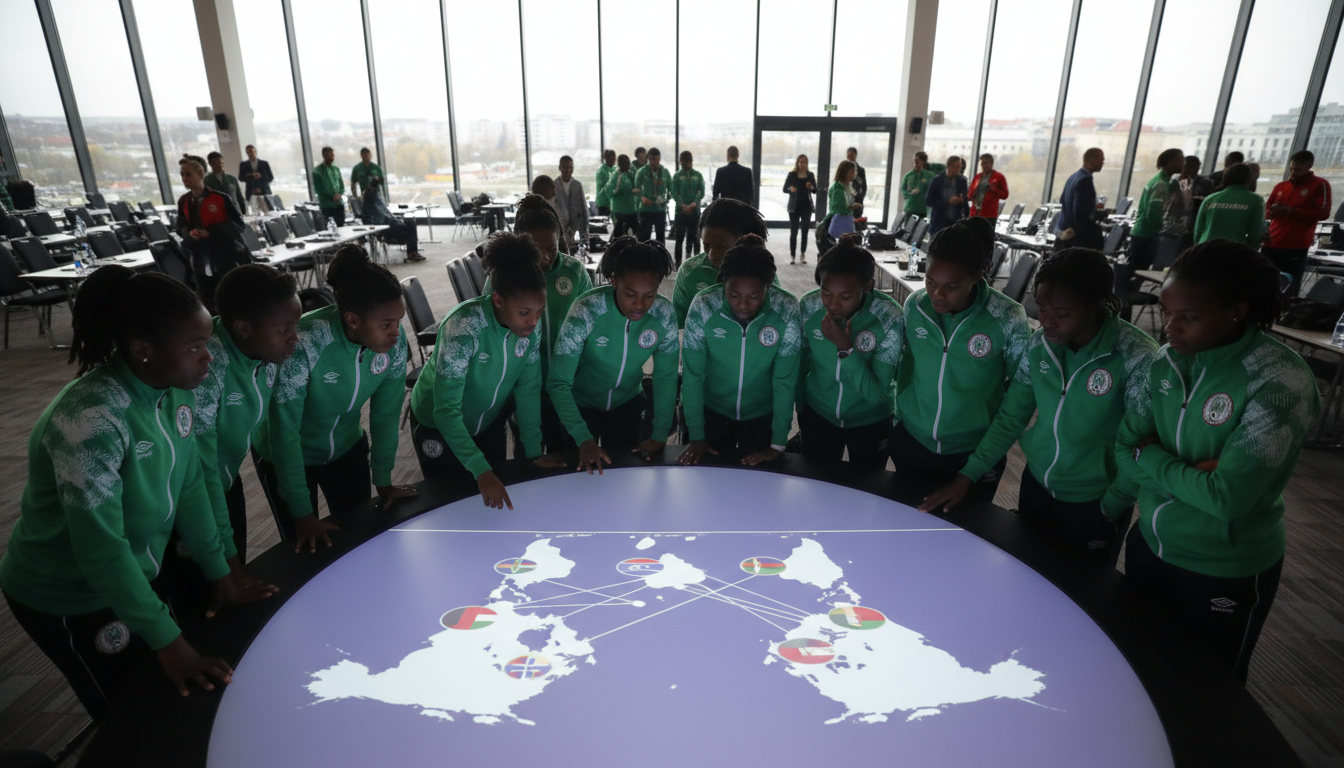
Falconets to Learn U20 World Cup Group Opponents at May 15 Draw in Łódź
Nigeria U20 Falconets await their group opponents as the FIFA U20 Women’s World Cup draw takes place May 15 in Łódź, with the finals scheduled for September 5 to 27 across four Polish cities


Strong opening summary
The Nigeria U20 side known as the Falconets will discover their group opponents on Friday May 15 when the official draw for the FIFA U20 Women’s World Cup is staged at the EC1 Cultural Centre in Łódź. The draw will sort the 24 qualified teams into six groups and set the competitive map for the tournament that runs from September 5 to September 27. The Falconets enter the draw as one of Africa’s four representatives alongside Benin Republic Ghana and Tanzania.
The event marks another milestone for the Falconets who are among the competition’s most consistent participants. Their placement in Pot 2 means a range of possible opponents and different strategic scenarios when fixtures are announced. Nigeria’s preparations and tournament path will be shaped directly by the draw outcome in Łódź.
Draw logistics and procedure
FIFA will conduct the formal draw ceremony with all 24 teams allocated into four pots of six teams each to create six groups of four teams. The pots were determined based on FIFA’s draw principles and seeding criteria which consider sporting performance and regional separation. Each group will therefore contain a mix of teams aimed at balancing competition while preventing clubs from the same confederation meeting in the group stage where possible.
The ceremony will be held at the EC1 Cultural Centre in Łódź and is expected to involve FIFA officials and representatives from the qualified associations. Match schedules and exact venues for each fixture will be revealed after the draw and once matchday logistics and broadcast allocations are finalized. Teams and national federations will then begin finalizing travel plans and training camps in line with the confirmed group assignments.
African representation and qualification narratives
Africa secured four berths at the finals with Nigeria Benin Republic Ghana and Tanzania emerging as the continent’s flag bearers. Nigeria and Ghana arrive with a mix of experience and expectation while Benin Republic and Tanzania make notable progress as debutants at this level. The African cohort will face diverse opponents from other confederations meaning varied tactical challenges in the group stage.
Nigeria remain the continent’s most established U20 side with a history of regular participation in the tournament and a track record of producing senior internationals. Ghana will be making its eighth appearance and will hope to improve on previous campaigns. Benin Republic and Tanzania join the tournament for the first time bringing fresh storylines and potential upset possibilities to the finals.
Pot placements and implications for the Falconets
The Falconets have been placed in Pot 2 for the draw alongside the United States Canada Colombia Mexico and New Zealand. That pot composition means Nigeria cannot be drawn against those five teams in the group stage but could face teams from Pots 1 3 and 4 depending on the draw sequence. Pot placements influence the competitive balance across groups and frame how coaches plan for opponents.
Being in Pot 2 typically signals respect for Nigeria’s recent performances at youth level while still leaving a broad spectrum of possible matchups. If drawn against a Pot 1 nation Nigeria would likely face one of the pre-tournament favourites while encounters with Pot 3 or Pot 4 sides could present more evenly matched contests. Coaches will immediately begin scouting potential opponents once groups are confirmed.
Ghana placement and counterpart matchups
Ghana have been seeded in Pot 3 alongside South Korea England Argentina China and Italy providing a clear picture of the range of opponents they might meet. Pot 3 contains a number of technically proficient sides and established youth programs that will test Ghana’s tactical resilience. The draw could pair Ghana with teams from Pot 1 Pot 2 and Pot 4 creating varied tactical puzzles.
Ghana’s eighth appearance brings institutional memory and experience in tournament logistics and match pressure. Their route through the group stage will depend heavily on final draws and the order of fixtures which can influence recovery windows and strategic rotation. The Ghana Football Association will be watching the draw closely to plan friendlies and preparatory matches against stylistically similar opponents.
Poland 2026 debutants and notable absences
The 2026 edition expands the narrative with six debutant teams including hosts Poland Portugal New Caledonia Ecuador Tanzania and Benin Republic. The presence of six newcomers adds unpredictable variables to group dynamics and offers fresh national storylines for audiences and media. Hosts Poland will also generate local interest and home support as they make their first appearance at this age group finals.
A notable absence from the line up is Germany who will miss the tournament for the first time ever despite historic success in youth women’s competitions. Their absence reshapes the competitive landscape and opens opportunities for other nations to advance further. The combination of debutants and established powers promises a blend of familiar rivalries and entirely new international matchups.
Host cities schedule framework and stadium considerations
The final tournament will be staged across four Polish cities Łódź Katowice Sosnowiec and Bielsko Biała with matchdays spread between September 5 and September 27. Each city will host a number of group matches followed by knockout ties as organized in FIFA’s competition calendar. Venue readiness travel times and accommodation plans will be critical considerations for federations and team staff in the lead up to the tournament.
Stadium capacity pitch quality and training facilities in each host city will influence matchday operations and preparation routines. Organizers will coordinate with local authorities to ensure secure transportation and scheduling that minimizes recovery times for teams. Broadcast windows and rest periods are likely to be important factors once the draw assigns exact match schedules.
Tactical outlook and preparation for Nigeria and region
Coaching staff for Nigeria and other African teams will use the draw to tailor scouting reports and finalize squad selections based on possible opponents. Opponents from North America South America Asia and Europe present distinct tactical profiles so the Falconets will prepare for a range of playing styles. Physical preparation mental conditioning and acclimatization plans will also be adjusted according to match timing and travel requirements.
Youth tournaments often hinge on small margins and squad depth given the condensed schedule and travel demands. Teams that manage rotation maintain focus and adapt quickly to refereeing styles frequently perform better in the knockout stages. For Nigeria the objective will be to translate domestic youth success into consistent tournament results on the global stage.
Media attention and commercial stakes
The draw ceremony and the tournament itself will draw significant media coverage and commercial interest with broadcasters and sponsors positioning around global youth talent. Poland hosting the event will likely increase local ticket demand while international media will focus on marquee matchups and standout prospects. For national associations strong performances at the U20 level can boost investment in development pathways and raise the profile of women’s football domestically.
Scouts from clubs around the world will monitor the competition closely as it remains a key platform for talent identification. A strong showing at the U20 World Cup often accelerates pathways to senior national teams and professional contracts for young players. That dynamic creates heightened stakes for participating athletes and their support networks.
Final preparations will accelerate once the draw concludes and match schedules are published. National federations will turn immediate attention to logistics training and opponent analysis in readiness for September. Teams with clear plans for recovery rotation and tactical flexibility will be best placed to navigate the compressed tournament calendar.
The Falconets and their African counterparts now wait for the draw to reveal group opponents and match schedules which will define the next phase of their World Cup preparations.