Alvaro Arbeloa’s Real Madrid Future Uncertain After Munich Defeat
Alvaro Arbeloa’s Real Madrid future is in doubt after the Munich defeat; contract length, Pérez’s precedent and player backing will shape the summer decision.


Arbeloa faces intense scrutiny after Munich loss
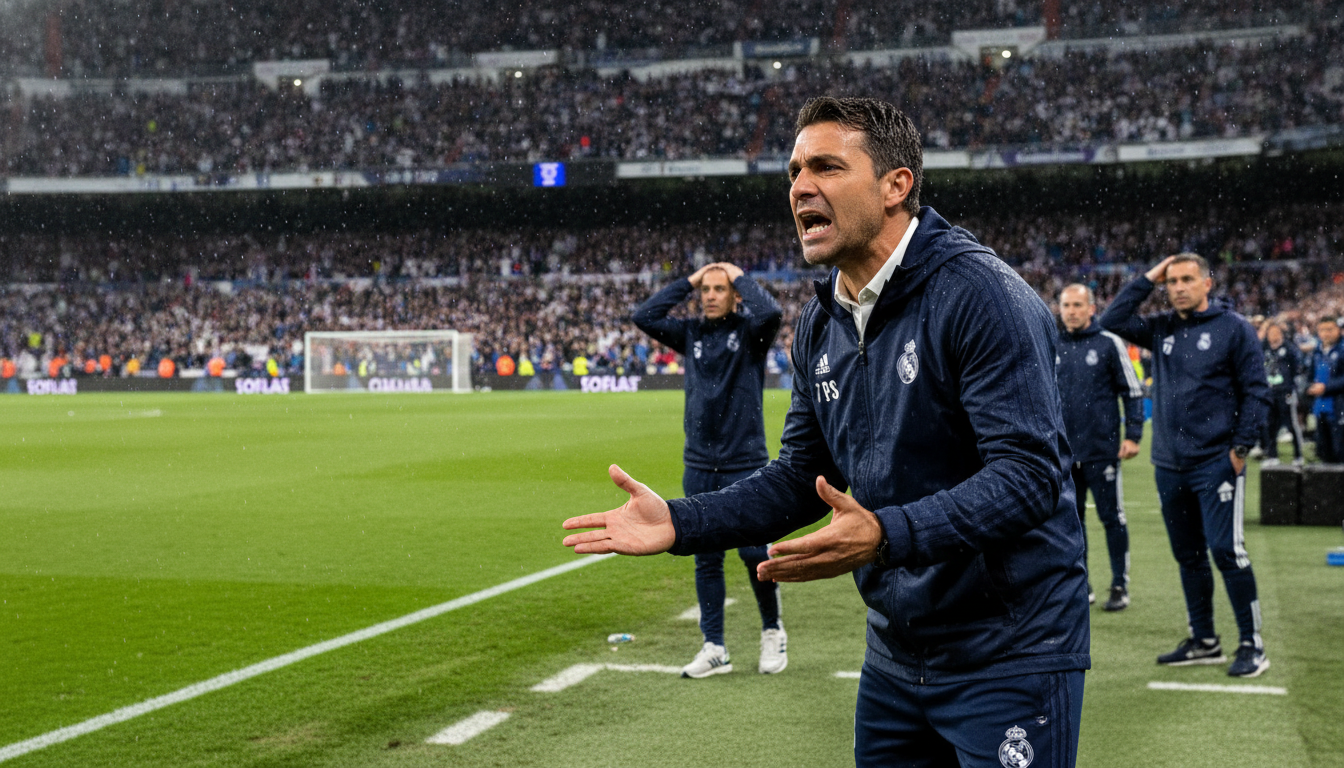
When Alvaro Arbeloa entered the press room in Munich, his demeanour suggested the weight of mounting pressure rather than surprise at a result. The defeat crystallised a run of inconsistent performances that have left Real Madrid on course for a season without a major trophy and intensified questions about the 43-year-old’s position.
Arbeloa has only been in charge since January, yet the cadence of defeats and draws has prompted scrutiny from fans and the media alike. He has repeatedly accepted responsibility and shielded his squad publicly, but acceptance of blame has not alleviated concerns within the wider club environment.
Contract status and club precedent under Florentino Pérez
Real Madrid have not made a definitive public statement about the precise length of Arbeloa’s contract, though sources in recent weeks have suggested it runs through the 2026–27 season. That technical detail matters because, under president Florentino Pérez, the club has established a clear pattern: sustained failure to deliver trophies usually precedes managerial change.
The precedent at the club introduces a model of accountability that has historically truncated many coaching tenures once silverware has dried up. That institutional history raises a central question for the summer: whether the board will prioritise continuity and the remainder of a contracted term, or opt for a reset in search of immediate results.
Players’ statements and dressing-room atmosphere
Despite the external doubts, several senior figures within the squad have spoken positively about the influence Arbeloa has established in the dressing room. Players have described improved morale under his leadership, with visible bonds forming between coach and key performers in recent weeks.
Public endorsements have included praise for his man-management and the connection he has forged with star players, comments that create a counterbalance to on-field inconsistencies. Those internal endorsements complicate any decision for the hierarchy, as the board must weigh short-term results against a potentially stabilising influence inside the squad.
La Liga standings and remaining fixtures add pressure
Real Madrid sit nine points behind Barcelona in La Liga, a gap that realistically narrows opportunities to salvage the title this season. Crucially, there remains a Clasico at Camp Nou in May and a handful of fixtures that could influence perceptions of Arbeloa’s stewardship ahead of the off-season.
With limited time left to alter the narrative through results, each remaining match carries amplified significance for both the coach and the club’s leadership. The board will be watching not only outcomes but also the manner in which the team performs, as perceived progress or regression shapes the calculus for any summer move.
Boardroom considerations and possible summer scenarios
The club’s decision-makers will examine several variables before determining Arbeloa’s fate: contract obligations, financial implications of an early termination, alternative managerial candidates and the appetite among stakeholders for a change. Timing is a factor as well; making a change before season’s end would offer little competitive advantage, whereas a summer transition allows a new coach a full pre-season.
Florentino Pérez’s track record suggests a low tolerance for repeat seasons without major trophies, but that history is tempered by the realities of contracts, transfer planning and the broader strategic vision for the club. Any final determination is likely to balance immediate sporting objectives with long-term continuity at a moment when both remain contested.
Tactical questions and performance patterns
On the tactical front, Arbeloa’s teams have displayed moments of cohesion interspersed with lapses that opponents have exploited, producing a pattern of uneven performances. Analysts point to inconsistencies in defensive organisation and intermittent failure to convert control into decisive attacking threat as recurring issues that have cost points.
Those tactical shortcomings are not solely the coach’s responsibility, but they do form the basis for technical evaluation from the sporting department. The degree to which the club believes those issues are remediable with the current staff will influence whether a new voice is sought to implement a different tactical blueprint.
Arbeloa has portrayed himself as wholly committed to the club and to the badge, insisting he has given everything to help his players win on a daily basis. That stance resonates with supporters who value loyalty and continuity, yet it must be measured against the stark metric the club has traditionally applied: trophies.
Real Madrid’s leadership will weigh the squad’s current trajectory, the perceived potential for improvement under Arbeloa, and the wider implications of a managerial change in the summer window. The presence of internal support, contractual protections and a limited number of games left in the season all act as moderating influences on any immediate rash decision.
The coming weeks will test whether Arbeloa can produce a short sequence of results that reframes the narrative or whether the club elects to pursue a different path ahead of a new campaign. For now, Arbeloa says he is not worried about his future and maintains a focus on the remaining fixtures and the work at hand.
Arbeloa is acutely aware of the unforgiving nature of managerial life at Real Madrid, and his understanding of that reality will shape both his approach to the final matches and his posture in discussions with the board. The eventual verdict will hinge on a mixture of result, perception and the club’s appetite for continuity versus change as it prepares for the demands of the next season.