Nairobi United stadium plan: Governor Sakaja pledges private modern arena in 30-year club transformation
Nairobi governor Johnson Sakaja announced plans for a private Nairobi United stadium and a Ksh 35 million team bus, promising a 30-year project to raise the club’s profile.
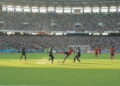

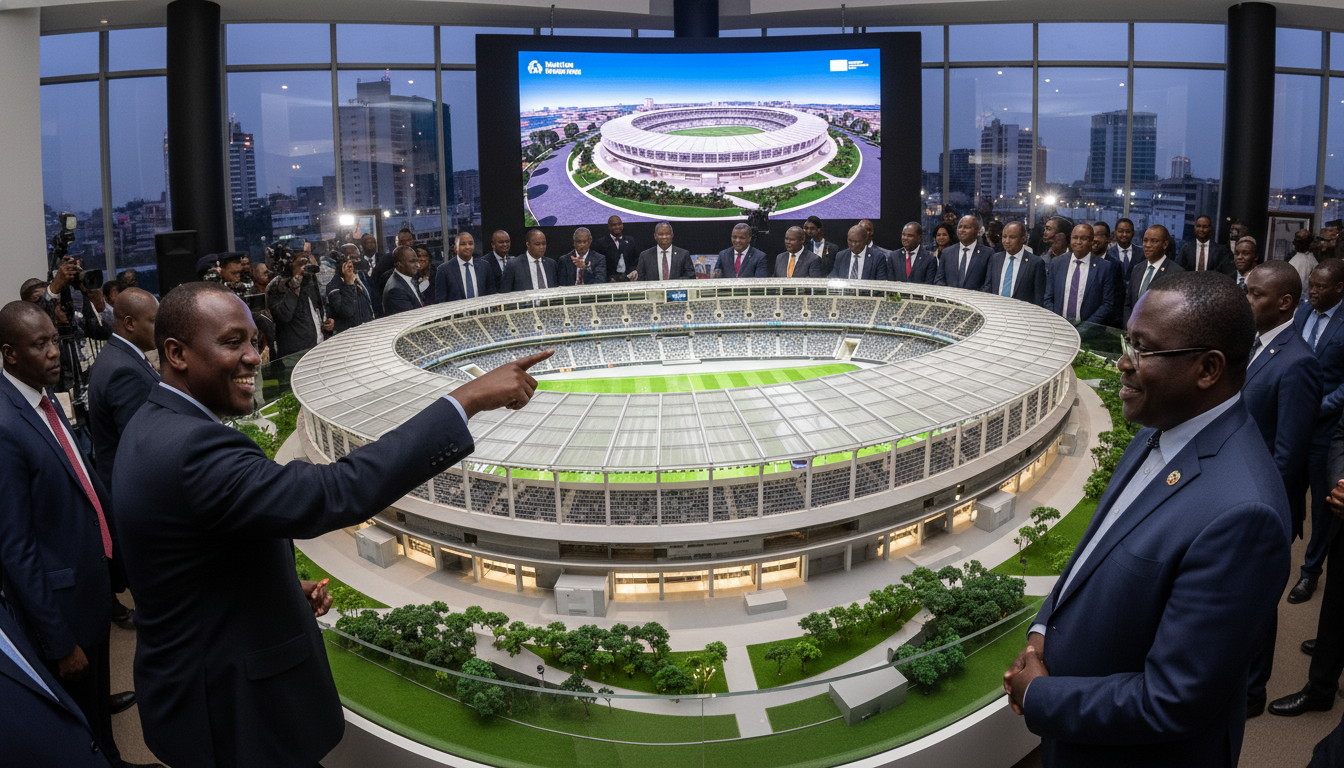
Nairobi governor Johnson Sakaja unveiled a plan on May 29, 2026 to build a modern, privately owned Nairobi United stadium as part of a long-term project to elevate the club’s standing. The governor said the facility would include top-tier amenities and form a pillar of a 30-year strategy to develop Nairobi United into a club of international stature. Sakaja, who is also the club owner, made the announcement at the team’s end-of-season awards gala as the side prepares for its final league fixture.
Sakaja unveils Nairobi United stadium plan
The governor described the stadium as a private investment rather than a county facility, signaling a model centered on club ownership and commercial operations. He outlined ambitions for a venue that would cater to players, staff and supporters with modern infrastructure and year-round revenue streams. Sakaja framed the project as the cornerstone of a multi-decade blueprint to transform the club’s competitiveness and reputation.
He spoke to players and officials during the awards gala, stressing the project’s strategic importance for the club’s future. The announcement comes as Nairobi United completes a memorable debut season in the top flight and continues to build momentum on and off the pitch.
Private facility to include world-class amenities
Sakaja emphasized that the proposed stadium would offer "all the necessary amenities," citing plans for training facilities and a world-class gym to support player development. The governor described the venue as purpose-built for a professional football club, aimed at meeting continental competition standards and enhancing matchday experience. He suggested the design would balance training, medical and commercial spaces to generate income and foster sustainability.
By keeping the stadium in private hands, Sakaja indicated greater flexibility for funding, sponsorships and long-term planning compared with county-run venues. He argued that a privately operated stadium would enable Nairobi United to control scheduling, maintenance and commercial exploitation more efficiently than a public facility.
Short-term boost: Ksh 35 million bus promised
In the immediate term, Sakaja confirmed a Ksh 35 million Marco Polo team bus, reportedly secured following a promise made at State House by President William Ruto. The governor told assembled players that the coach was "on its way" and that the club would soon take delivery of the vehicle. He positioned the bus as part of practical investments to improve player logistics and the professional image of the club.
Sakaja highlighted the transport upgrade as a tangible benefit while the larger stadium initiative is planned and developed. Officials at the gala welcomed the announcement as a morale boost that addresses a pressing need for reliable team travel during domestic and continental commitments.
Nairobi United’s breakthrough season and continental debut
Nairobi United has produced an unexpected and positive debut season in the FKF Premier League, reaching the group stages of the CAF Confederation Cup — a milestone for a newly promoted side. The club’s performances on both domestic and continental fronts have captured local attention and provided evidence for Sakaja’s claim that the team can aim higher. Players and supporters celebrated individual awards at the gala, reflecting a campaign that exceeded many preseason expectations.
The continental run has exposed the squad to higher standards of competition and added fixtures, which in turn underline the need for improved facilities and logistics. Sakaja framed the club’s on-field progress as justification for the long-term investment program he outlined, arguing that infrastructure and professionalism must follow competitive success.
Title race context: final league fixture against Gor Mahia
Nairobi United sits fifth on the table with 50 points from 33 games as the season reaches its climax, and the club is due to face champions-elect Gor Mahia in the final match. The fixture represents both a high-profile challenge and an opportunity to consolidate the team’s league standing against one of Kenya’s most successful clubs. Sakaja used the impending match to rally players and supporters, underscoring the importance of momentum going into off-season planning.
The encounter will serve as a final competitive measure before attention shifts to stadium planning and recruitment for the next campaign. Administrators will also assess operational needs highlighted by a demanding schedule that included domestic and continental assignments.
Long-term vision and potential impact on Kenyan football
Sakaja’s 30-year plan sets an unusually expansive horizon for a single-club project, suggesting phased development across infrastructure, youth development and brand building. The governor likened his ambitions for Nairobi United to European models of club growth, framing the plan as a sustained effort to raise standards in coaching, scouting and commercial operations. Over time, the project could influence how Kenyan clubs approach private investment and facility ownership.
A privately built stadium with integrated training and commercial facilities would create a template other clubs might emulate, potentially accelerating professionalization across the league. The long horizon also acknowledges the need for patient, multi-stage investment to forge a competitive club capable of sustained continental participation.
Reactions from club and local stakeholders
Players and club officials responded positively to Sakaja’s announcements at the awards event, with many welcoming immediate and long-term commitments. The promise of a new bus was described as a practical improvement for day-to-day operations, while the stadium pledge was hailed as an aspirational goal with broad benefits. Supporters’ groups expressed guarded optimism, noting that delivery will be key and that consultative planning will be necessary to ensure the stadium meets community needs.
Local football administrators are likely to monitor developments closely, particularly around planning permissions, funding models and scheduling implications for existing venues. Observers warned that translating intent into completed infrastructure requires clear timelines, transparent financing and effective project management.
The club’s management has not disclosed detailed financing plans for the stadium beyond Sakaja’s statements, and stakeholders will be watching for formal proposals, feasibility studies and milestones in the months ahead.
The governor’s pledge adds to a wider conversation about investment in Kenyan football infrastructure and the role of private capital in driving progress.
While Sakaja’s vision frames a long-term ascent for Nairobi United, the next steps on the pitch and in planning will determine whether the stadium project becomes a transformative reality for the club and the local football landscape.