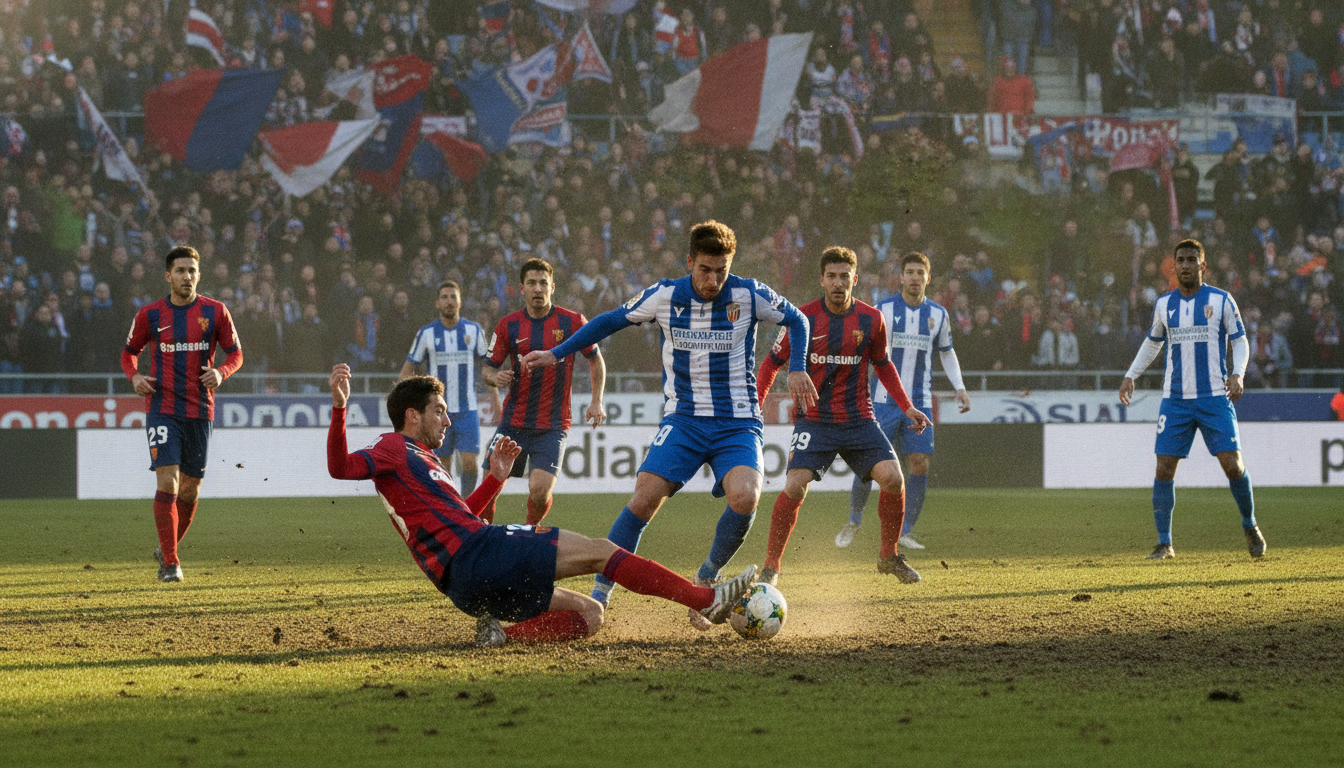
Osasuna vs Espanyol: High-Stakes Survival Clash at El Sadar
Osasuna vs Espanyol meet in a life-or-death LaLiga showdown at El Sadar; both sit on 42 points and are three from the relegation zone, making victory essential for survival.


Both Osasuna and Espanyol arrive at El Sadar with identical point totals and sharply narrowed margins for error, setting the stage for a high-tension showdown that could decide much of the relegation picture. The match carries immediate consequences: a win would give either side a significant cushion ahead of the final round, while a draw or defeat would leave fate to other results. Managers have publicly dismissed notions of a non-aggression agreement, underlining the competitive stakes and the pressure on players and staff alike.
Survival on the Line at El Sadar
Osasuna and Espanyol enter this fixture perched above the relegation zone by a slim margin, with both clubs acutely aware that three points would substantially ease their path to safety. The match is, in effect, a direct contest for breathing room; victory would reduce the permutations and transfer decisive pressure onto rival clubs in the closing stage of the season. Home advantage gives Osasuna an edge in atmosphere, but the scoreboard will ultimately determine which club approaches the final matchday in greater control.
The crowd at El Sadar is expected to be a defining factor as Navarra’s stadium has a reputation for creating a hostile environment that tests visiting teams. Osasuna’s recent defeat to Atlético Madrid sharpened the urgency in the stands and the dressing room, increasing expectations on the players to respond immediately. Espanyol, conversely, travel buoyed by a morale-boosting result and will seek to blunt the home noise with disciplined defending and clinical finishing.
Managers Deny Any Agreement to Draw
Alessio Lisci and Manolo González have both publicly rejected suggestions of a pre-arranged draw, insisting their teams will pursue victory and not settle for a calculated share of points. Each coach framed the fixture as a final-type encounter where taking risks and chasing three points is the only acceptable strategy. That stance removes any ambiguity around tactical intent and signals to players that full commitment will be demanded from kickoff.
The insistence on playing to win also speaks to each side’s broader approach to their remaining schedule and their desire to control their destiny rather than rely on external results. Coaches spoke of preparation focused on match-specific plans rather than speculative scenarios, reinforcing that selection and in-game decisions will reflect ambition. That competitive posture raises the likelihood of open, intense periods of play rather than a cautious, low-risk draw.
Espanyol Momentum and Selection Questions
Espanyol arrive at El Sadar on the back of a morale-boosting victory over Athletic, a result that marked a psychological turning point after a prolonged winless spell. That win provided both confidence and concrete momentum, and the team will aim to translate that energy into another positive result against a direct rival. Manager Manolo González has the welcome problem of restored options with the returns of Calero and Dolan, both available after serving suspensions and expected to strengthen selection choices.
Tactical adjustments that paid dividends against Athletic — including second-half changes that produced the decisive goals — suggest González will again be willing to make bold calls during the match. Forwards Pere Milla and Kike García, the recent scorers, are likely to feature prominently in the starting lineup as Espanyol target a match-winning approach. The coach also faces a delicate calculus over disciplinary risks: with five players one booking away from suspension, González must balance the imperative to field his strongest team with the possibility of losing key contributors ahead of the final day.
Osasuna Squad Shape and Tactical Challenges
Osasuna approach the fixture with a mixture of squad limitations and home-field determination following their setback at Atlético, a result that pushed them further into the relegation conversation. The squad list includes Víctor Muñoz, who has been named but is unlikely to play extended minutes, while the absence of Raúl Moro open opportunities in attacking areas for Barja. Those availability issues will shape Alessio Lisci’s starting XI and could necessitate tactical tweaks to maintain attacking potency while shoring up defensive resilience.
Lisci will be looking to exploit home energy and the intimate dimensions of El Sadar to unsettle Espanyol, while also managing the team’s mental state after a damaging defeat. Defensive solidity will be critical in the early phases to prevent Espanyol’s forwards from dictating the tempo, and strategic substitutions may become decisive as the match progresses. Osasuna’s capacity to translate crowd support into on-field aggression without lapsing into recklessness will be a central theme of their plan.
Historical Context and Head-to-Head Trends
The fixture carries historical textures that add to the narrative; Espanyol have traditionally found El Sadar a difficult place to take points. Recent meetings have favored Osasuna, with the home side securing the majority of victories in the most recent encounters. That record does not determine the outcome but contributes to expectations among supporters and can influence the psychological dynamics before and during the 90 minutes.
Both clubs will also consider form cycles beyond the immediate run of results when preparing for the match, including how they have handled pressure situations previously this season. Head-to-head scoring patterns suggest that the side converting early chances could tilt the contest heavily, making the first 20 minutes a potentially critical phase. The historical edge, combined with current form, frames the match as both a local rivalry and a decisive relegation confrontation.
Possible Scenarios and Consequences
A win for either Osasuna or Espanyol would substantially alter the relegation landscape by placing the victorious club in a much stronger position for the final matchday, potentially rendering other outcomes less relevant. Conversely, a draw would preserve tight margins and leave survival hopes dependent on other results, a scenario both managers say they prefer to avoid. The elimination of uncertainty through a victory would allow a club to approach the final game with greater tactical freedom and reduced pressure.
Disciplinary consequences may also shape the broader aftermath: yellow cards issued in this fixture could sideline crucial players for the final round, forcing managers to plan for contingencies. Injuries and fatigue will be monitored closely after a combative match, and recovery protocols will become a priority for both teams. The immediate focus remains El Sadar, but the outcome will reverberate into preparation for the season’s last day.
Both squads understand the magnitude of the moment and have framed the match as one that demands full commitment and competitive courage. Fans, players and officials arrive aware that this fixture is more than three points — it is a potential turning point that can define the destination of two clubs in the closing hours of the LaLiga campaign.