Super Eagles FIFA Ranking: Nigeria Remains 26th in Latest FIFA List Ahead of World Cup Kickoff
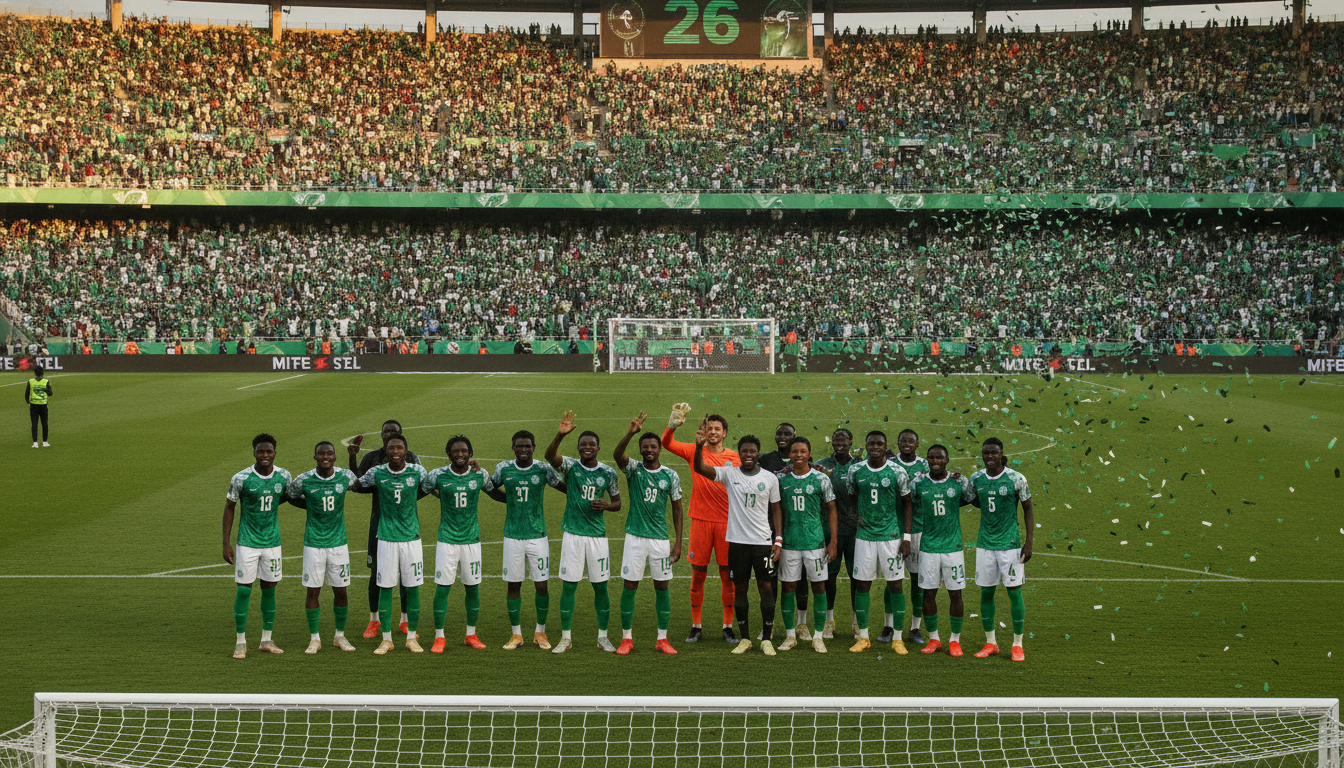
Nigeria’s Super Eagles FIFA ranking remains at 26th in the world and third in Africa in the latest FIFA rankings released hours before the 2026 World Cup kickoff.
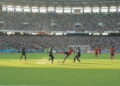

Nigeria’s Super Eagles have held their place as the third-highest-ranked team in Africa and 26th globally in the newest FIFA rankings, a position confirmed shortly before the 2026 World Cup began in North America. The Super Eagles FIFA ranking reflects a recovery that began with a strong run at the Africa Cup of Nations and a string of encouraging results under coach Eric Chelle over the last 18 months. Despite missing the World Cup itself, the consistency in results has kept Nigeria firmly in continental contention and elevated their international profile.
Ranking stability under Eric Chelle
The latest FIFA listing preserves the Super Eagles’ standing after a year that saw steady improvement under coach Eric Chelle. Chelle’s record over the past 18 months, including tournament progress and positive friendly results, has been credited with steadying the side and rebuilding confidence. Nigeria’s climb to their current position followed a notable jump earlier in the year, and this latest release shows the team has been able to hold on to those gains.
Chelle’s emphasis on integrating younger players and stabilizing the defensive structure has produced measurable dividends in results. The coaching staff’s selection policy and tactical adjustments were particularly visible during tournament play and in London friendlies. Those performance trends underpin the federation’s argument that the team is on an upward trajectory even without World Cup participation.
AFCON surge and London success buoy ranking
A central factor in Nigeria’s ranking rise was the team’s performance at the Africa Cup of Nations earlier in the year, which propelled the Super Eagles from 38th to 26th in the January rankings. That AFCON run represented the highest FIFA position for Nigeria in five years and supplied the bulk of ranking points that have since been defended. The results demonstrated that the squad could compete deep into continental competition, lifting their international standing.
Complementing the AFCON run, Nigeria successfully defended the Unity Cup in London and secured a credible draw with Poland in an international friendly, results that reinforced their upward momentum. Those fixtures contributed additional points and gave the coaching staff useful opportunities to test squad depth. The combination of tournament success and targeted friendlies has helped preserve Nigeria’s position in the global list.
Portugal friendly ends 12-match unbeaten run in Leiria
Nigeria’s 12-match unbeaten streak was brought to an end in a high-profile warm-up fixture against Portugal in Leiria, where the hosts prevailed 2-1. Portugal, ranked fifth in the world and featuring Cristiano Ronaldo in the squad, took the lead through Pedro Neto in the 23rd minute. Nigeria responded with an equalizer from Jerome Akor in the 39th minute, set up by Fisayo Dele-Bashiru, before substitute Francisco Conceicao secured the winner in the 75th minute.
The narrow defeat to a top-five team did not unmask major weaknesses but it did deny Nigeria an opportunity to add further ranking points that might have improved their position. Playing strong opponents was a deliberate strategy by the coaching staff to test the squad against elite international competition. The performance in Leiria, while ending the unbeaten run, offered encouraging signs about Nigeria’s competitiveness against world-class opposition.
Africa’s hierarchy: Morocco and Senegal set the pace
On the continental scale, Morocco and Senegal retain the top two places in Africa, with Nigeria sitting third behind those sides. Morocco remain the continent’s highest-ranked team and are placed seventh in the world, maintaining their position as Africa’s benchmark side. Senegal occupy the second slot among African nations, continuing a recent pattern of regional rivalry at the summit.
Below Nigeria, Algeria are ranked fourth in Africa, followed by Egypt in fifth and Côte d’Ivoire in sixth, highlighting a competitive grouping in the upper reaches of the continent. That pecking order matters for regional pride and also for seeding in continental competitions. Nigeria’s position among those teams signals that the Super Eagles remain in the conversation for Africa’s elite despite some setbacks.
Global picture: Argentina back at the summit
The global rankings show a notable shift at the very top, with Argentina reclaiming the No. 1 spot after leapfrogging France in the latest list. Spain sit second in the world while France have dropped to third, reshaping the top-three dynamics among the planet’s leading nations. England remain fourth, followed by Portugal in fifth and Brazil in sixth, making up a strong group of traditional powers.
Morocco feature as the highest-ranked African nation inside the global top ten at seventh, while the Netherlands, Belgium and Germany round out the top ten in that order. For Nigeria, the global landscape reinforces the scale of the challenge in closing the gap with the sport’s leading nations. The rankings offer a snapshot of recent form and results, with changes driven by tournament outcomes and key friendlies.
Practical implications for squad and fixtures
Holding 26th in the world gives Nigeria a platform for scheduling tougher friendlies and targeting higher-profile tournaments to continue the progression. The federation and coaching staff are likely to prioritize matches against top-30 sides to chase additional ranking points and to provide exposure for emerging players. That strategy could also influence player selection ahead of continental qualifiers and future AFCON campaigns.
For players on the fringe of selection, the preserved ranking is an incentive to press their claims in domestic leagues and international camps. The coaching staff will need to balance the development of younger talent with the retention of experienced heads to sustain competitiveness. Continuity in approach, thoughtful fixture planning and targeted recruitment will be key to converting ranking stability into sustained improvement.
Nigeria’s maintained FIFA position offers a degree of reassurance to supporters and administrators that progress is real and not merely cyclical. The results of the past 18 months, from AFCON success to competitive friendlies, indicate a program that is rebuilding in measured steps. The next phase will test whether the Super Eagles can translate that rebuild into a climb back into the top 20 and a return to global tournaments.
The Super Eagles’ current ranking reflects a blend of recent achievements and missed opportunities, and it sets clear benchmarks for the months ahead as the team seeks to convert momentum into long-term gains.