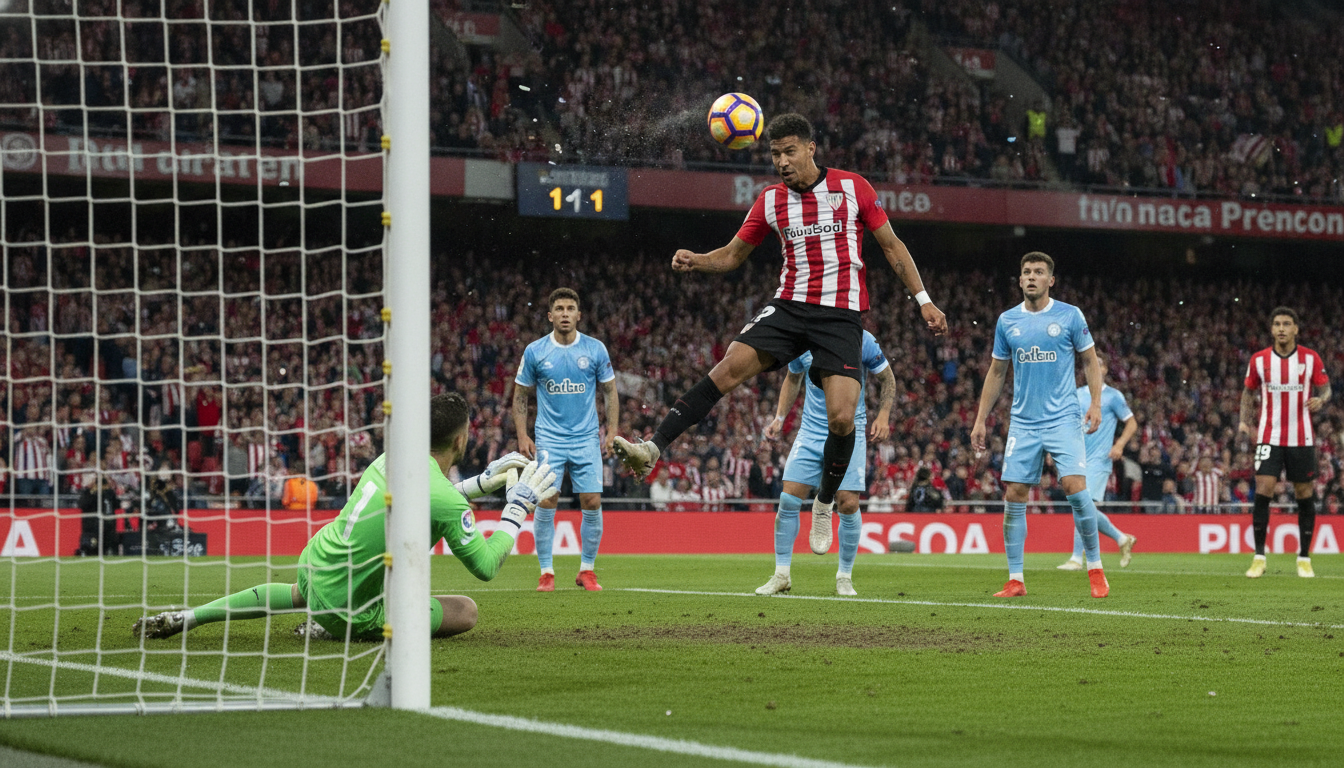
Athletic Club 1–1 Celta de Vigo: Swedberg strike answered by Iñaki Williams in stalemate
Athletic Club vs Celta de Vigo ends 1–1 after an even contest where Williot Swedberg put Celta ahead and Iñaki Williams levelled for Athletic Club. The draw left both sides sharing points after a match marked by missed chances, tactical tweaks and several stoppages. Athletic Club fought back in the second half to secure parity, while Celta’s substitutions kept them competitive through the closing stages. The result underlined the tight margins between the teams and the need for greater clinical finishing from both sides.


Swedberg’s opener gives Celta an early lead
Williot Swedberg broke the deadlock with a left-footed finish into the top corner after a well-worked assist from Ilaix Moriba. The goal arrived in the first half and proved decisive in shaping the opening 45 minutes, as Celta took control of the scoreboard. Celta’s forward movement and Moriba’s ability to find attacking pockets enabled the visitors to create the clear-cut chance that produced the opener. Athletic were forced to chase the game and probe for weaknesses in Celta’s compact defensive shape.
Celta’s goal was the reward for sharper passing in the attacking third and quicker transitions from defence to attack. Fer López and other midfield runners combined to create space, and Swedberg finished with composure when afforded a sight at goal. The lead allowed Celta to manage phases of possession and force Athletic into riskier forward runs. That strategy yielded further opportunities for the visitors before the break, while Athletic’s finishing remained imprecise.
Williams delivers an equaliser that reshaped the match
Iñaki Williams restored parity for Athletic Club with a close-range finish after sustained pressure and a decisive cross from Yuri Berchiche. The equaliser came in the second half and shifted momentum back toward Athletic, who had been pushing for an opening since conceding. Williams’s goal was a product of repeated attacking set-pieces and crosses into the box that eventually found a finishable situation. The strike demonstrated Athletic’s persistence and ability to capitalise on width provided by their full-backs.
The equaliser altered the tactical balance and forced both managers to reconsider their plans for the final phase. Athletic, buoyed by the goal, looked to maintain tempo and probe Celta’s back line for further openings. Celta, meanwhile, reacted with substitutions designed to reintroduce attacking impetus and defensive solidity. The scoreline reflected the ebb and flow of a contest in which neither side surrendered control for long.
Athletic pressure and several late opportunities
Athletic’s attacking intent was visible throughout the match, with a sequence of corners and crosses producing repeated chances in and around the penalty area. Iñaki Williams, Mikel Jauregizar and Gorka Guruzeta were among those to test Celta’s defence and goalkeeper with headers and close-range efforts. Several attempts came agonisingly close to altering the outcome, including shots that hit the woodwork or were tipped away by defenders and the goalkeeper.
Robert Navarro’s introduction added urgency to Athletic’s buildup play and helped fashion opportunities from wide areas and set pieces. Despite the pressure, finishing profligacy and strong defensive interventions from Celta prevented Athletic from converting more of their possessions into goals. The pattern of late chances underlined Athletic’s capacity to sustain pressure in the final third but also highlighted a need for cleaner execution in key moments.
Celta adjustments and substitutions kept them competitive
Celta de Vigo responded with multiple substitutions aimed at refreshing their attack and rebalancing midfield control. Óscar Mingueza, Iago Aspas and Pablo Durán entered the field at various points to influence the tempo and offer different attacking options. Matías Vecino’s inclusion provided additional midfield experience and helped Celta manage transitions when Athletic pressed higher up the pitch. These changes kept Celta a threat on the break and sustained their ability to create counter opportunities.
The visitors’ tactical tweaks showed an intent to contest midfield battles and shore up defensive vulnerabilities exposed by Athletic’s width. Celta’s rotation of personnel allowed them to cover fatigue and remain compact without abandoning forward intent. While the substitutions prevented Athletic from running away with the match, they also signalled a willingness from Celta’s coaching staff to adapt when momentum shifted.
Disciplinary incidents and injuries disrupted rhythm
The fixture was interrupted several times due to injuries and a number of fouls that slowed the flow of play. Yellow cards were shown to Ionut Radu, Javi Rueda and Aymeric Laporte, reflecting physical moments that required referee intervention. Both sides suffered stoppages for treatment, with players from each team receiving attention that briefly halted the match and influenced substitution decisions. Those interruptions impacted the rhythm and made it difficult for either side to establish long spells of continuous play.
The bookings and fouls reflected a competitive and occasionally tense encounter, where challenges in midfield and on the wings required strict officiating. Athletic saw Yuri Berchiche cautioned for a dangerous challenge, and Laporte’s yellow came amid a period of heightened physicality. Celta’s discipline issues and the resulting pauses did not decisively alter the outcome, but they did shape the tactical decisions late in the match.
Tactical patterns: width, crosses, and set-piece reliance
Both teams leaned on wide play and aerial deliveries as primary routes to goal, generating the bulk of clear-cut chances from crosses and corner situations. Athletic exploited their full-backs and wing-backs to supply service into the box, while Celta looked to combine through Ilaix Moriba and direct support from wingers. The recurring pattern of set pieces and aerial duels made the penalty area the central battleground throughout the contest. This reliance exposed defensive strengths and weaknesses that each side will want to address moving forward.
The match underlined how marginal advantages in set-piece delivery and precision in the final pass can determine results in tightly matched fixtures. Athletic’s persistent crossing produced the goal and a string of near-misses, while Celta’s directness and counter-threat yielded the opener and several other promising attempts. Managers on both sidelines will likely take stock of the game’s tactical lessons, particularly around defending aerial balls and converting sustained pressure into goals.
The draw leaves both teams with a point but also clear areas for improvement after a match that combined high-intensity phases, tactical chess and moments of individual quality. Athletic Club rescued a result through Iñaki Williams’s equaliser, while Celta de Vigo demonstrated the potency of quick transitions and set-piece execution. The match will be remembered for its tight margins and the way both sides probed each other without fully seizing control.