Amavubi training camp in Egypt praised as productive after Morocco friendlies canceled
Amavubi training camp in Egypt kept AFCON 2027 preparations on track after Morocco friendlies were canceled, with Constantine and Bizimana prioritizing cohesion.

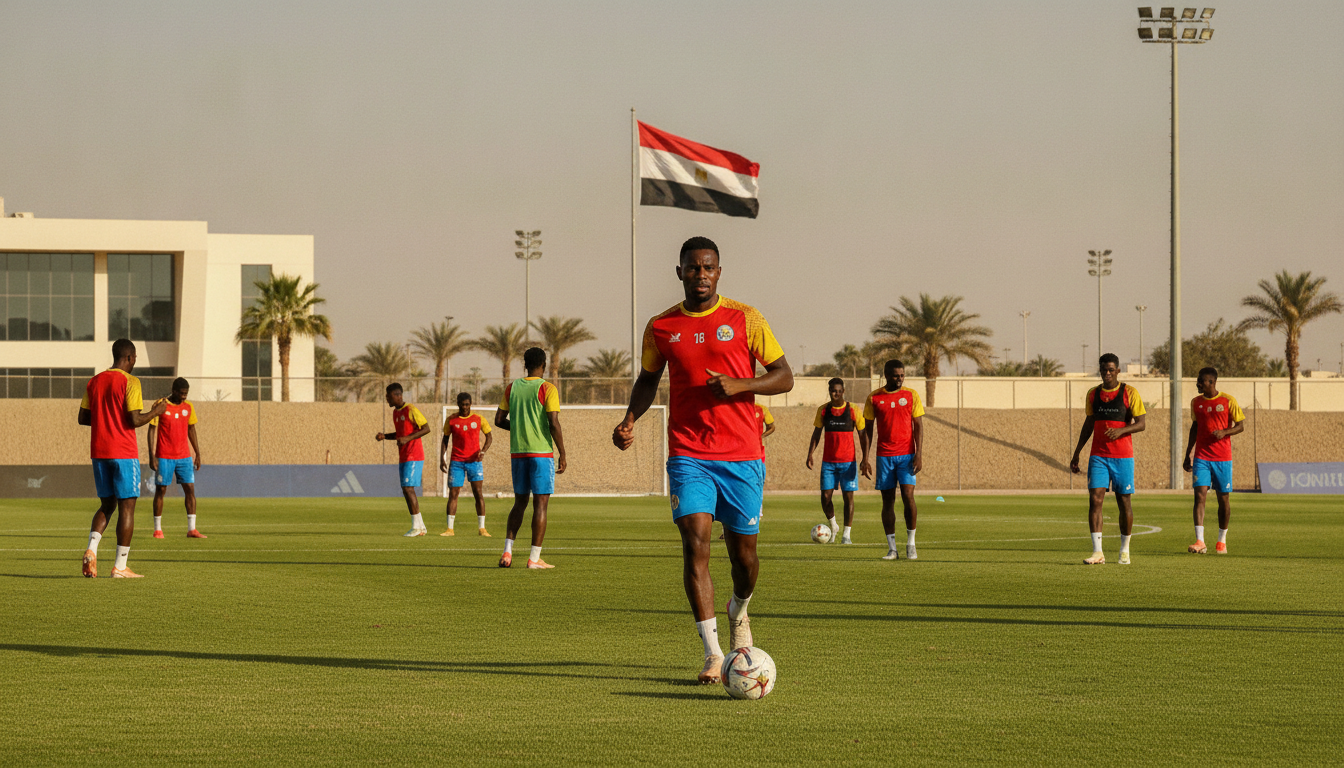
National team captain Djihad Bizimana described the Amavubi training camp in Egypt as a productive and necessary response after planned friendlies in Morocco were called off. The sessions in Cairo gave the coaching staff extended time to work on cohesion and to integrate new call-ups ahead of the 2027 Africa Cup of Nations qualifiers. Rwanda Football Federation (FERWAFA) and head coach Stephen Constantine opted to relocate and extend the camp rather than return home, emphasizing continuity in preparation.
Camp relocated to Egypt after Morocco cancellations
The Rwanda national team had originally scheduled friendly matches in Marrakech for June 6 and June 9, but those fixtures were canceled at short notice due to health concerns affecting the hosts. Facing the loss of crucial match minutes, the technical team moved the camp to Cairo to preserve the training block and avoid disrupting the team’s buildup. FERWAFA officials coordinated logistics quickly to keep players in full-time preparation, prioritizing uninterrupted work on fitness, tactical drills, and squad bonding.
The decision to stay abroad reflected an emphasis on maintaining momentum rather than dissipating the preparations with travel and downtime. Coach Constantine and his staff judged that high-quality training sessions would be more valuable than an immediate return home without competitive fixtures. The relocation allowed the squad to complete an intensive program while the federation continued to seek replacement opponents.
Coach Constantine stresses the need for continuity
Head coach Stephen Constantine framed the extended stay in Egypt as essential to the team’s progress and resource management. He argued that ending the camp prematurely would have wasted the planning, energy, and funds already invested in the training period. Constantine insisted that preserving focus and giving players uninterrupted training time were the right priorities as Rwanda approaches the AFCON 2027 qualification campaign.
The coach also emphasized that extended practice sessions offered a chance to refine tactical plans and fitness without the risk of losing the collective rhythm. Constantine and his technical team used the extra days to rehearse defensive organization, set-piece routines, and transitional patterns that require repetition. That continuity, he said, would serve the squad better than an early return and ad hoc scheduling at home.
Captain Bizimana highlights cohesion and integration
Captain Djihad Bizimana underlined the camp’s value in strengthening bonds within the squad and bringing newcomers into the group dynamic. He said the training environment allowed senior players and recent call-ups to build on-field understanding and off-field relationships, which are vital in compressed international windows. Bizimana noted that consistent coaching and shared sessions helped younger or newly invited players adapt to Rwanda’s tactical expectations and team culture.
He also pointed to the mental benefits of staying together through adversity, suggesting the team emerged more united after adapting to the disruption of canceled friendlies. The captain framed the experience as constructive, highlighting how coaches used the time to address individual and collective aspects of play. That sense of cohesion, he believes, will be important when competitive fixtures for AFCON qualification begin.
Attempts to secure replacement friendlies were unsuccessful
FERWAFA and the technical staff explored multiple avenues to arrange new warm-up matches during the camp, including potential home fixtures against regional opponents and matches in Egypt. Options discussed reportedly included hosting Uganda or Tanzania in Kigali and lining up available opponents while based in Cairo. Those efforts, however, did not produce confirmed opponents before the camp ended, leaving the team without the planned international friendlies.
Despite the lack of replacement matches, the technical team framed the extended training as an opportunity rather than a setback. Coaching staff shifted focus toward controlled scrimmages, intensive tactical work, and individual development objectives that can be addressed in training. Officials acknowledged the drawback of losing match practice but emphasized the importance of avoiding wasted preparation time and keeping players sharp.
New call-ups and staff assessed during the camp
The camp provided a platform to evaluate new faces, with Noam Emeran responding to his first senior national team invitation and taking part in the sessions. Coaches used the period to assess how emerging players fit into the squad structure and to measure their readiness for international competition. The extended training block also allowed a close look at positional depth and fitness levels across the roster, information that will feed into selection decisions for the AFCON qualifiers.
On the backroom side, the camp marked the first involvement of Brazil-born goalkeeping coach Ramos Dal Solio Rogerio with the national setup. His integration into the technical team focused on refining goalkeeper-specific routines, improving communication with defensive units, and implementing modern shot-stopping and distribution practices. That addition to the staff is expected to remain part of the team’s preparations as Rwanda advances toward competitive matches.
Logistics, planning and the road ahead to AFCON 2027 qualifiers
With the camp wrapped up, the squad returned to Rwanda to resume domestic preparations and finalize plans for the early qualifying fixtures. Amavubi flew back to Kigali on Thursday morning, June 11, 2026, with the federation and coaching staff immediately turning attention to fixture scheduling and player availability. The return marks the end of an adaptive training period and the start of a focused build toward the AFCON 2027 campaign.
FERWAFA faces the task of converting the training gains into competitive form once qualifiers begin, balancing domestic club schedules and international windows. The federation will also continue to pursue friendly matches where possible to provide match practice ahead of qualifiers, while relying on the tactical and physical foundations laid during the Egyptian camp. For the coaching staff, clear priorities include sharpening defensive cohesion, honing attacking transitions, and confirming the core eleven.
The technical team emphasized that player workload management and injury prevention will be key in the coming weeks, given the condensed nature of international calendars. Conditioning staff are expected to monitor recovery closely and manage minutes as the campaign unfolds. For Constantine and his players, the next objective is to translate training progress into consistent results when formal qualification matches begin.
The extended training period in Egypt has left the Amavubi squad with renewed focus and clearer assessment of personnel ahead of AFCON 2027 qualification.