China Faces Possible Blackout as FIFA and CCTV Fail to Seal World Cup Broadcast in China
Chinese viewers show little urgency as FIFA and state broadcaster CCTV remain deadlocked over World Cup television rights, risking a major broadcast blackout.


The possibility of a missing World Cup broadcast in China has emerged with less than five weeks to go before kick-off, after Fifa and state broadcaster CCTV failed to agree on television rights terms. The standoff comes as promotional activity on the mainland remains almost non-existent compared with previous tournaments, raising the prospect that many Chinese fans will be unable to watch matches live on traditional television. With early morning kick-offs and no Chinese national team in the finals, public appetite for the tournament appears muted, easing pressure on authorities to reach a deal.
FIFA and CCTV at an impasse over broadcasting fees
Fifa has set a licensing price that far exceeds the figure CCTV had budgeted for, according to people familiar with the talks. Reports indicated that the global governing body valued the package at up to US$300 million, while CCTV’s negotiating position was closer to US$80 million. That gulf has been the central barrier in talks, and neither side has publicly signalled willingness to bridge it as the tournament approaches.
Negotiations over sports rights frequently involve combinations of live coverage, highlights and sponsor packages, which means headline figures can obscure complex deal structures. For CCTV, which operates on public funding and a state mandate to manage spending, the broadcaster has framed its stance as a stewardship of taxpayer resources. Fifa, meanwhile, is defending what it sees as the commercial value of the World Cup in the Chinese market.
Fan reaction in China has leaned toward supporting CCTV
Across social media and fan forums on the mainland, a large share of users voiced support for CCTV’s refusal to accept what they described as an inflated price. Many fans framed the impasse as a matter of principle, objecting to public funds being used to meet Fifa’s high demands. That sentiment has reduced pressure on authorities to concede quickly and has reshaped the narrative from urgency to indifference.
A commonly shared view among posters was that early start times, the absence of a Chinese side, and competing lifestyle priorities undercut the incentive to pay a premium for rights. One fan posted that "no one is going to wake up early in the morning to drink and watch matches, and who would we be celebrating anyway?" reflecting a broader sense of detachment. This public mood has made it politically easier for CCTV to hold its ground in negotiations.
Promotion blackout contrasts with previous tournaments
Historically, CCTV acted early and aggressively to promote World Cups on the mainland, running adverts, feature segments and sponsor content weeks before the first whistle. This year, however, the streets and mainstream channels show a striking lack of World Cup marketing, signalling either confidence that a deal will be completed at the last minute or a calculation that mass promotion is unwarranted without a formal contract.
The absence of early promotions has not only altered the media landscape but also affected commercial partners and sponsors who expect advance visibility. Brands that typically gear up marketing campaigns tied to the tournament face uncertainty about airtime and reach, and some appear to be scaling back planned investments until a resolution is reached. That hesitation compounds pressure on advertisers and rights holders and narrows options if a late deal is needed.
Scheduling and absence of a Chinese team reduce viewing demand
Practical factors have compounded the contract dispute: many group-stage matches are scheduled for early-morning local time, and China’s national team did not qualify, removing a crucial driver of domestic interest. The combination of inconvenient kick-offs and no national representation has historically depressed viewership and sponsor enthusiasm, making any investment in broadcast rights less attractive for state media with finite budgets.
China accounted for a significant share of global digital and social viewing hours in previous editions, but that level of engagement was boosted when marquee matches and national team involvement aligned with local time zones. With those elements absent this year, broadcasters face a tougher commercial case to justify high rights fees. That dynamic has been central to CCTV’s public rationale for a conservative offer.
Financial stakes and possible alternatives if talks collapse
If Fifa and CCTV cannot reach a deal, live television coverage on mainstream state channels could be interrupted, potentially forcing fans to turn to streaming services, pay-per-view platforms, or international broadcasters accessible via satellite or online. Such alternatives would likely be fragmented and could require subscription payments or VPN access, creating unequal access across the mainland.
Advertisers and sponsors would also confront a changed media plan: investments tied to national terrestrial broadcast reach would need rapid reallocation or risk losing intended exposure. Meanwhile, Fifa risks diminished visibility in the world’s largest media market at a moment when global viewership patterns are evolving and digital platforms are increasingly important. Both sides therefore face reputational and commercial trade-offs if an agreement remains elusive.
What broadcasters and rights buyers say about valuation gaps
Industry analysts note that valuation for rights often hinges on expected reach, sponsor demand and the broadcaster’s ability to monetize through advertising and sublicensing. CCTV’s lower offer reflects a cautious projection of these revenue streams for a World Cup with less domestic pull. Fifa’s higher asking price, by contrast, appears to reflect global comparators and the tournament’s premium status rather than China-specific market realities.
Some rights buyers in other markets have responded to similar dynamics by seeking shorter packages, rights to highlights only, or creative revenue-sharing models to reduce upfront costs. Negotiators in Beijing and Zurich were reported to have discussed various permutations, but time constraints and public scrutiny have made compromises politically difficult. Any final deal would likely include nuanced terms about advertising, digital distribution and blackouts to protect commercial partners.
Commercial partners are watching closely for clarity on broadcast plans because activation windows and sponsorship deliverables depend on confirmed airtime. Agencies and brands that typically build content calendars around World Cup timelines have adjusted contingency plans, including shifting budgets toward digital activations that can be deployed quickly regardless of a traditional broadcaster’s decision.
Implications for fans and the wider sports ecosystem in China
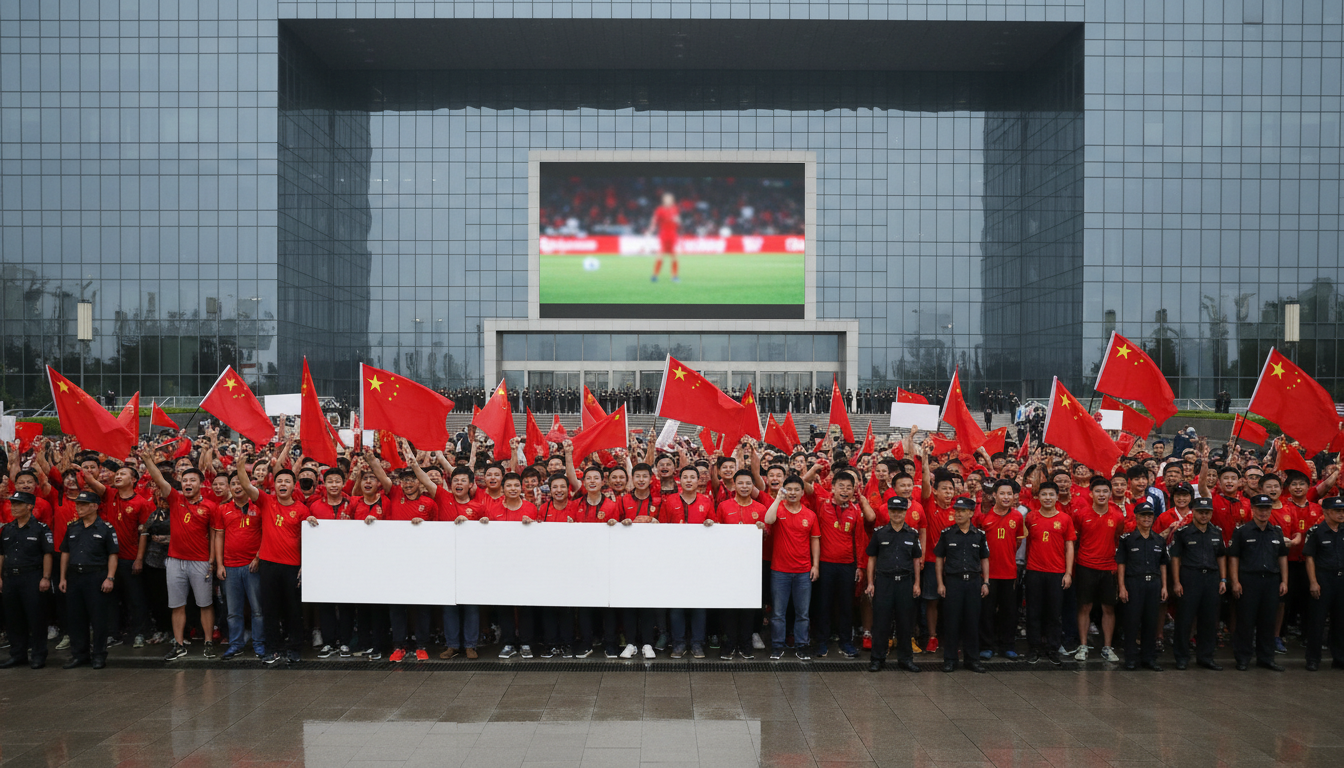
For many ordinary supporters, the immediate impact is pragmatic: fans may need to seek alternative ways to follow matches if CCTV does not secure rights. Social media platforms, streaming services and international broadcasters could fill parts of the gap, but access may be uneven and some options may carry fees. Organized fan events and bars that rely on scheduled broadcast access also face uncertainty about whether they can host viewing parties.
Longer term, the dispute could influence how rights are negotiated in China for other major sporting events, encouraging buyers and sellers to consider more flexible pricing and distribution models. It may also accelerate the shift toward digital-first strategies in a market where younger viewers increasingly consume sport online rather than through traditional television.
While some supporters have signalled they will simply watch key matches via informal streams or follow highlights, others worry that a sustained blackout could erode the tournament’s presence in China and reduce the momentum for the sport at the grassroots level. Stakeholders across media, sport and commerce are aware that an extended absence from free-to-air television would be felt beyond immediate ratings.
A final decision on the broadcasting deal will be closely watched by international rights holders, advertisers and fans alike, as it could set precedents for future negotiations and the role of state broadcasters in securing major sporting events.
The coming weeks are likely to be decisive, with public tolerance for a blackout tempered by convenience, costs and the cultural weight of the World Cup itself. Fans, brands and officials will watch whether Fifa and CCTV find a compromise or leave mainland audiences to seek alternative viewing routes.