Kaoru Mitoma left out of Japan World Cup squad after hamstring injury
Japan coach Hajime Moriyasu confirmed Kaoru Mitoma will miss the World Cup after a hamstring problem ruled the Brighton winger out, a blow to the team’s attacking plans. (fifa.com)
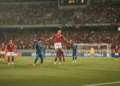

Mitoma omission confirmed by Moriyasu
Hajime Moriyasu announced his 26-player squad in Tokyo and acknowledged the decision was one of the hardest he has made as Japan’s coach. He said the medical team assessed it would be difficult for Mitoma to return to fitness in time for the tournament. (aljazeera.com)
The exclusion of Mitoma — one of Japan’s most dynamic wide attackers — drew an emotional response from the camp and from supporters watching the announcement. Moriyasu stressed that while the loss is significant, the squad still contains players capable of competing on the world stage.
Details of the hamstring injury sustained at Brighton
Mitoma suffered the hamstring injury during Brighton’s 3-0 Premier League victory over Wolverhampton, an incident that has kept the 28-year-old sidelined since that match. Brighton’s medical and coaching staff monitored his progress but the national team’s doctors ultimately judged recovery during the tournament window unlikely. (the-afc.com)
The timing of the knock, late in the domestic season, removed a narrow window for controlled rehabilitation and conditioning under club supervision. That limited timeline was a decisive factor for Moriyasu and his technical staff when finalising the roster.
Takumi Minamino also ruled out with ACL damage
Japan’s attack will also be without Takumi Minamino, who has been sidelined since suffering an anterior cruciate ligament injury in his left knee in late December. The Monaco forward’s recovery has not progressed to a level that would permit inclusion in a final World Cup list, leaving Japan short of two experienced attacking options. (foxsports.com)
Minamino’s absence compounds the challenge of replacing Mitoma’s direct running and ability to break defensive lines. Both players had figured prominently in Moriyasu’s planning prior to their injuries.
Tactical repercussions for Japan’s front line
Mitoma’s exclusion forces a tactical rethink in Japan’s attack, where his inside cuts from the left and pace on transitions played a unique role. The coaching staff will need to adjust systems to preserve width and penetration without relying on Mitoma’s typical blend of dribble and off-ball movement.
Managers and analysts expect Moriyasu to lean on a mix of experienced wingers and inverted attackers who can replicate elements of Mitoma’s game. The shift could mean more emphasis on combination play through the center and greater rotation of wide forwards to sustain intensity over 90 minutes.
Who can fill the creative void?
Several players remain in the squad who offer creative solutions, including technically skilled attackers and midfielders with the ability to supply incisive passes. Takefusa Kubo’s close control and vision, for example, provides one route to unlock compact defences, while forwards who thrive in tight spaces can provide a different threat profile. (japantimes.co.jp)
Moriyasu may also opt for a tactical reshuffle that places greater responsibility on full-backs to stretch play and create crossing opportunities. That approach would introduce different risk-reward dynamics but could preserve Japan’s tempo and attacking variety.
Squad balance and notable inclusions
Moriyasu’s 26-player group mixes veterans who have World Cup experience with younger players pushing for breakthroughs at the global level. Defenders such as Takehiro Tomiyasu and midfield anchors like Wataru Endo bring stability that will be essential if Japan elects to alter its forward blueprint. (japantimes.co.jp)
The selection highlights a preference for players who can execute a fast, possession-based approach while also offering resilience on transition. Moriyasu has prioritized balance across all lines to ensure the team can adapt to different opponents in the group stage.
Selection dilemmas, medical oversight and morale
Moriyasu expressed how agonising the selection process was, balancing immediate fitness concerns against the strategic needs of a World Cup campaign. The national team’s medical staff played a central role, producing assessments that Moriyasu said left little room for optimism about Mitoma’s readiness. (aljazeera.com)
Inside the camp, players and staff have been encouraged to remain focused and to channel disappointment into preparation. The coach emphasised collective responsibility, asking players to step up and for the squad to unite around a clear game plan.
Preparation timeline and next steps before the tournament
With the World Cup in North America approaching next month, Japan’s preparations will accelerate and centre on building cohesion among the selected players. Competitive friendlies and training sessions will be used to trial adjusted formations and to rehearse contingency plans for different match scenarios. (washingtonpost.com)
Moriyasu must now finalise set-piece routines, defensive transitions and attacking rotations without two of the squad’s previously projected starters. The coming weeks will be crucial to embed those changes and ensure the team enters the tournament with clarity and confidence.
Kaoru Mitoma’s absence is a setback for Japan, but it also presents an opportunity for other players to rise to the occasion and for the coach to refine a system that can withstand injuries. As Moriyasu’s squad departs for final preparations, attention will shift from what was lost to how Japan adapts and what the remaining group can achieve on football’s biggest stage.