Joshua Kimmich vows to “make Germany proud again” ahead of Curaçao clash
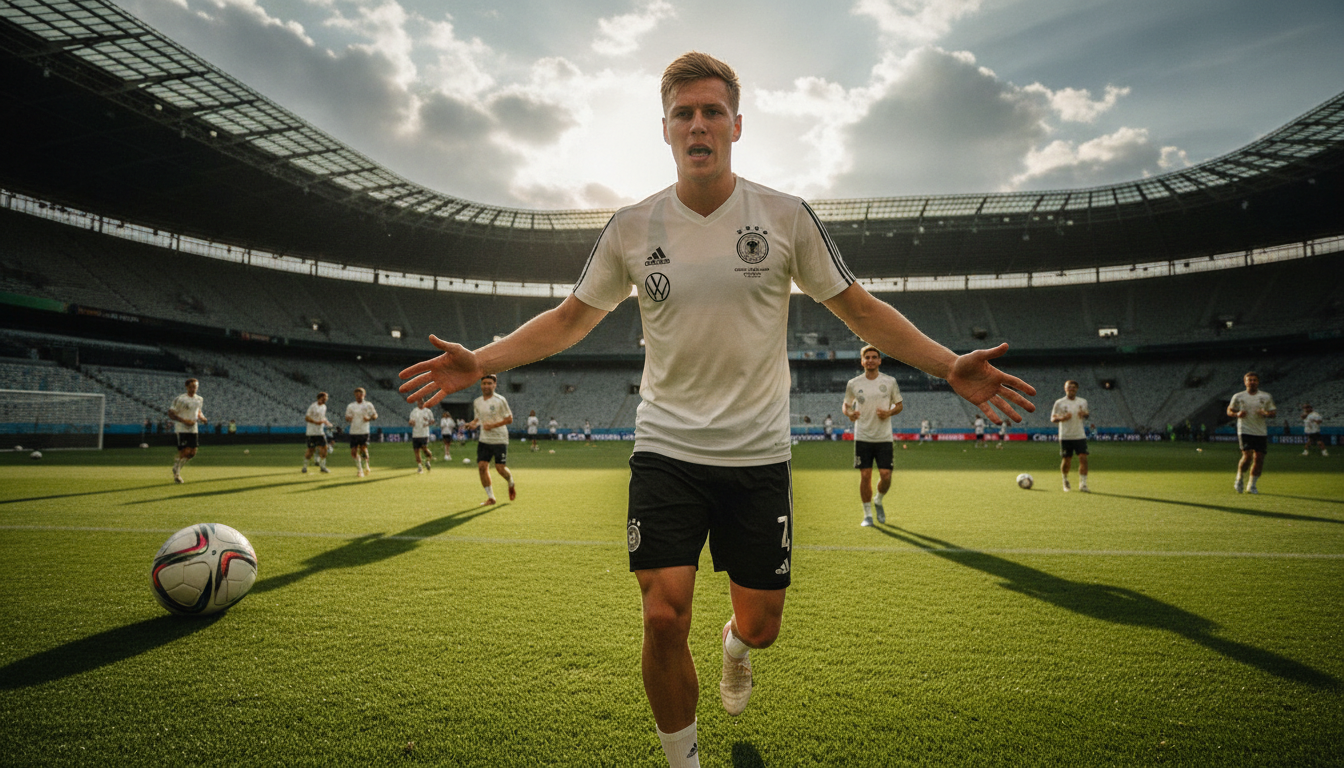
Germany captain Joshua Kimmich said he wants to “make Germany proud again” as the national team prepares to face Curaçao in Group E, stressing leadership and a bid to restore national pride.
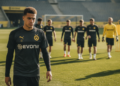
Germany captain Joshua Kimmich opened his pre-match message by framing the upcoming Group E game against Curaçao as an opportunity to reconnect the national team with supporters, saying the squad is determined to deliver performances that will lift the mood across the country. Kimmich, 31, told Sport BILD that wearing the German shirt at a major tournament carries a unique weight and that his role as captain has taken on added significance this summer. He expressed faith in the group assembled by head coach Julian Nagelsmann and insisted that the team’s aim is to spark excitement and joy at home. The captain also referenced the emotional legacy of the 2006 World Cup, saying he hopes the current team can generate a similar positive impulse for fans.
Kimmich outlines national goal
Germany’s captain framed a single objective for the squad: to restore pride in the national badge through committed performances on the pitch. He emphasized that the responsibility of representing the nation is different from any other match, and he wants the team’s displays to resonate with supporters across Germany. Kimmich made clear that his words reflect not just personal ambition but a collective mission shared by teammates and staff. That mission, he said, is rooted in the belief that football can produce moments of national unity and joy.
Kimmich told Sport BILD he feels the captaincy has added a new dimension to his role and that he intends to use that platform to keep the team focused and connected to the supporters. He spoke about the emotional charge that comes from wearing the national jersey and how that must translate into visible commitment on the field. The captain stressed that success will depend on the squad’s ability to combine quality with heart and determination. He repeatedly returned to the idea that doing so could create tangible excitement across Germany.
Leadership within Nagelsmann’s setup
Since Julian Nagelsmann named the squad, Kimmich has been singled out as a focal point for leadership on and off the field. The Germany coach assembled a group he believes can compete at the highest level, and Kimmich’s role as captain positions him as the conduit between tactician and team. That responsibility includes managing expectations, maintaining standards in training and matches, and projecting calm when the pressure rises. Kimmich insisted he is ready to shoulder those duties and help translate Nagelsmann’s plans into coherent performances.
The captain’s endorsement of Nagelsmann’s selection and tactical approach was measured but clear; Kimmich expressed confidence in the group’s mental and physical readiness. He highlighted the need for collective discipline and the importance of every player understanding their role. Kimmich’s experience at the highest level is central to that message, and he emphasized that leadership is both about directing and listening. In that sense, the captaincy is as much about creating the right environment as it is about on-field decisions.
2006 parallels and national emotion
Kimmich deliberately invoked the 2006 World Cup as a touchstone for the kind of national mood he hopes the team can recreate. He said he experienced the 2006 tournament as a child and remembers how football helped lift spirits nationwide. Drawing on that memory, Kimmich suggested the current squad has an opportunity to offer a similar emotional lift if performances and results align. He presented that aspiration not as nostalgia but as a realistic target tied to the responsibility of representing Germany at a major event.
The captain acknowledged that comparisons to 2006 carry weight, but he framed them as motivation rather than pressure. Kimmich stressed that the emotional connection between national team and country is a two-way street: the players feed off the crowd, and the nation is invigorated by positive displays. He underlined the role of supporters in helping the team through difficult moments, indicating that visible backing from fans can be decisive during tough spells on the pitch. Kimmich’s remarks placed national feeling at the center of his leadership brief.
Match focus: Group E and Curaçao challenge
Kimmich set the immediate focus on Germany’s Group E opener with Curaçao, describing it as the first chance to translate training-room talk into competitive performance. He urged his teammates to approach the match with intensity and clarity, warning that early tournament matches can be deceptively tricky. While Germany enters as favorites on paper, the captain cautioned that underestimating an opponent would be a mistake. He insisted that the squad must respect Curaçao’s challenge while imposing its own style of play.
The match context, Kimmich argued, requires a professional approach from the outset: disciplined defending, efficient ball progression and sharp finishing when chances arise. He highlighted the need for collective concentration, stating that tournament football often rewards small margins and resilience. The captain’s view was pragmatic — secure a positive result and the team can build momentum — but he also emphasized the emotional stakes tied to how Germany performs in front of domestic audiences.
Resilience and the likelihood of difficult moments
Kimmich was candid about the inevitability of uncomfortable phases during the tournament and framed the team’s resilience as a decisive factor. He warned that there will be moments when the squad will suffer and must rely on character rather than form alone. The captain suggested that awareness of national support can be a resource in those moments, helping players push through tactical challenges or physically demanding periods. That interplay between mental strength and public backing was a recurring theme in his comments.
He stressed that resilience will require every player to commit fully, whether they start or come off the bench, and that leadership must be evident throughout the squad. Kimmich called for calmness rather than panic when things go awry, arguing that steadiness often determines the outcome in tight contests. He also signalled readiness to take responsibility, indicating he would set the tone through his own intensity and focus on the field.
What to watch: Kimmich’s impact and squad dynamics
Observers will be watching how Kimmich balances the responsibilities of captaincy with his usual tactical influence in midfield. His role as a pivot — both in defensive transitions and in initiating attacks — makes him central to how Germany controls matches. The captain’s ability to organize teammates, direct play and manage tempo will be vital, particularly in the early stages of the tournament. Analysts will also be attentive to how the squad responds to transitions in Nagelsmann’s tactical plans.
Beyond Kimmich, the dynamics within the squad will be worth monitoring, especially how experienced figures and emerging talents combine. The cohesion of the group in training and early matches will shape Germany’s capacity to handle pressure and seize moments. Kimmich’s public message about national pride adds an additional layer: the team must not only perform but do so in a way that resonates with supporters at home. That dual expectation — sporting and symbolic — will influence selection, roles and rotations through the first phase.
Germany’s captain tied the team’s ambitions to tangible behavior: intensity, passion and sacrifice. He repeatedly cited the need for players to give their best and suggested that such commitment can create an uplifting effect for fans. Kimmich’s comments were pragmatic about difficulties yet optimistic about the potential to generate national enthusiasm. As the group prepares for the Curaçao match, those dual aims — results and reconnection with supporters — will drive the approach in training and on matchday.
The coming days will test whether Kimmich’s message translates into measurable outcomes on the pitch and renewed excitement among German fans, with the Group E opener against Curaçao offering the immediate canvas for that attempt.