Liberia AFCON 2027 bid hit by $5–10 million shortfall as lawmakers form special committee
Liberia AFCON 2027 faces a funding crisis after officials told parliament the Lone Star needs between $5 million and $10 million to mount a competitive campaign, prompting lawmakers to establish a special committee to coordinate resources and oversight.

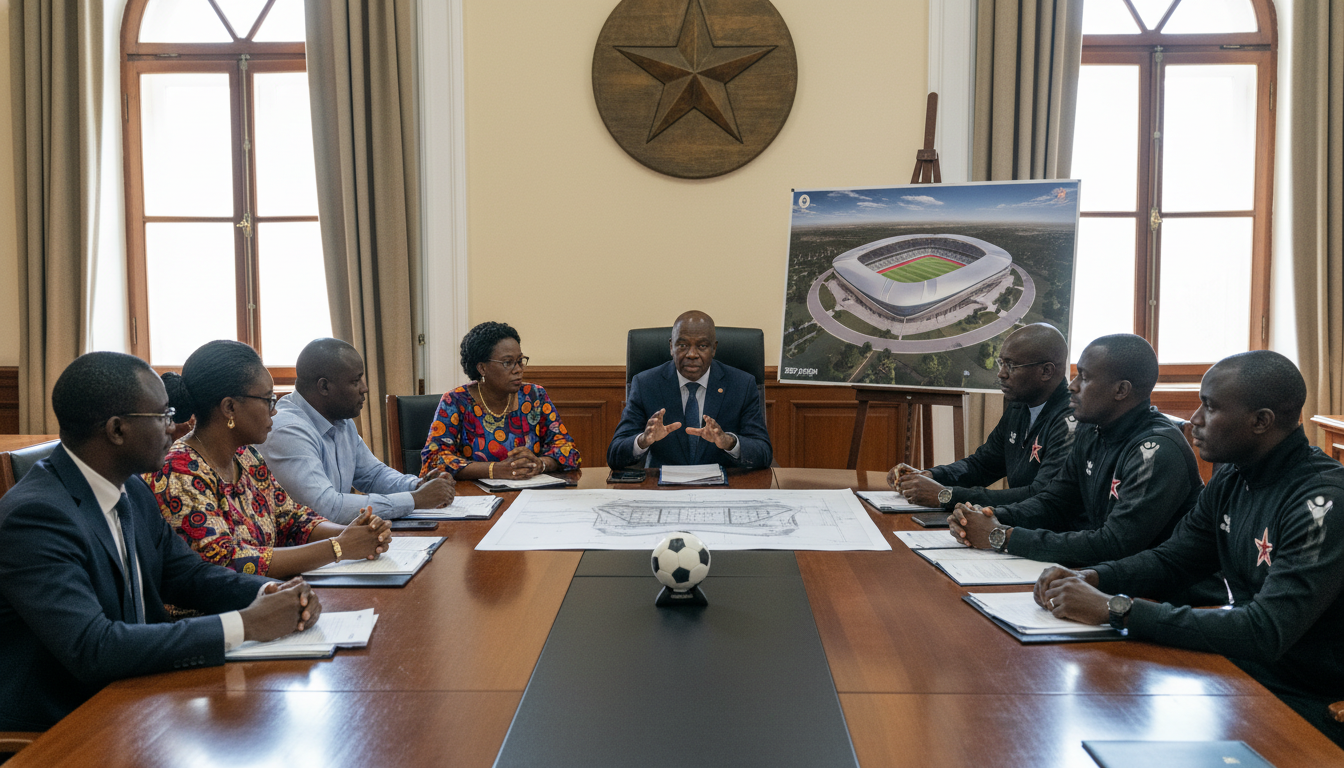
Parliament responds after Lone Star funding shortfall revealed
Lawmakers convened after Luther Tarpeh, head of the Lone Star National Team Mobilization Committee, disclosed the scale of the financial gap and alarming operational debts affecting the squad.
Tarpeh told the House that unpaid hotel bills across four countries and the routine use of low-budget accommodations have undermined player welfare and morale.
The revelation spurred a vote to create a legislative committee tasked with coordinating support, improving transparency, and mobilizing resources for Liberia’s AFCON 2027 qualification campaign.
Details of the shortfall and immediate liabilities
Officials estimate that Liberia will need between $5 million and $10 million to adequately fund preparations, logistics, and player support for the 2027 AFCON qualifiers.
Tarpeh attributed outstanding liabilities to recent international assignments conducted during CAF windows and FIFA-recognized friendlies, saying routine operational costs have gone unpaid.
Members of the House expressed concern that these arrears are symptomatic of deeper structural and financial weaknesses within Liberia’s football ecosystem.
Committee composition and parliamentary mandate
The special committee will be chaired by Representative Steve Tequah, who leads the House Committee on Youth and Sports, with Representative Dixon Seboe serving as co-chair.
Other appointees include MPs from Montserrado, Grand Bassa, Gbarpolu and Bong counties, giving the committee geographic breadth and legislative authority.
The panel’s remit covers stakeholder engagement on financing, player welfare, governance, and logistics, and it has been instructed to report back with actionable plans ahead of the qualifiers.
Operational and governance failures identified by mobilization officials
Beyond short-term funding needs, the mobilization committee highlighted chronic governance gaps that have eroded planning and execution for national team programs.
Tarpeh pointed to inadequate policy coordination, weak financial controls, and recurring logistical inefficiencies as core drivers of the Lone Star’s vulnerability.
Lawmakers and football administrators noted that without addressing these structural problems, ad hoc injections of cash will have limited long-term effect.
Senate interest and involvement from former football figures
Separately, discussions in the Senate are reportedly underway to create a parallel oversight mechanism, with former football officials and ex-players among the legislators involved.
Senators linked to the initiative include figures with previous leadership roles in the Liberia Football Association and past playing experience for the Lone Star.
Their participation is being framed as an attempt to marry technical knowledge with parliamentary authority to produce more durable solutions for Liberia’s AFCON 2027 bid.
Potential funding pathways and accountability measures
Lawmakers have emphasized that any mobilization of public funds must be paired with clear accountability frameworks to ensure transparency in spending.
Suggested approaches range from direct parliamentary oversight of disbursements to public-private partnerships and targeted national fundraising campaigns.
Committee members have also discussed the need to clarify the roles of the Executive Branch, the Liberia Football Association, and other stakeholders in a coordinated financing model that supports both immediate needs and long-term development.
Player welfare and competitive implications for qualification
Observers warn that the current financial strain threatens the Lone Star’s competitive readiness for qualifiers, with morale and preparation suffering because of unpaid bills and substandard accommodation.
Players may face diminished training camps, reduced support staff, and logistical disruptions that can materially affect performance against better-funded African sides.
Members of the mobilization committee argued that stabilizing finances and improving governance are prerequisites for ensuring players can prepare and compete on equal terms.
Stakeholder reactions and public expectations
The parliamentary move has been welcomed by some football advocates as a necessary recognition that sports policy intersects with national development and youth empowerment.
However, skepticism remains about whether legislative involvement will translate into concrete, sustained investment rather than short-term political gestures.
Civil society voices and supporters have called for the committee to publish timelines, budget breakdowns, and mechanisms for public scrutiny to restore confidence in how funds will be managed.
Next steps and timelines ahead of the AFCON qualifiers
The newly formed House committee has been asked to engage key stakeholders immediately and present a coordinated funding and oversight plan in the coming months.
Committee members are expected to consult the Liberia Football Association, the Ministry of Youth and Sports, club representatives, and international partners as part of their fact-finding.
The urgency is underscored by the limited preparatory window before the AFCON 2027 qualification cycle begins, making rapid, organized action essential.
For Liberia’s national team, the combination of a multi-million-dollar funding shortfall, outstanding operational debts, and entrenched governance weaknesses presents a significant hurdle on the road to AFCON 2027. The parliamentary response establishes a new channel for oversight and resource mobilization, but the success of that initiative will depend on the committee’s ability to deliver transparent funding arrangements, operational reforms, and sustained support that lift the Lone Star’s competitiveness rather than merely paper over deeper structural problems.