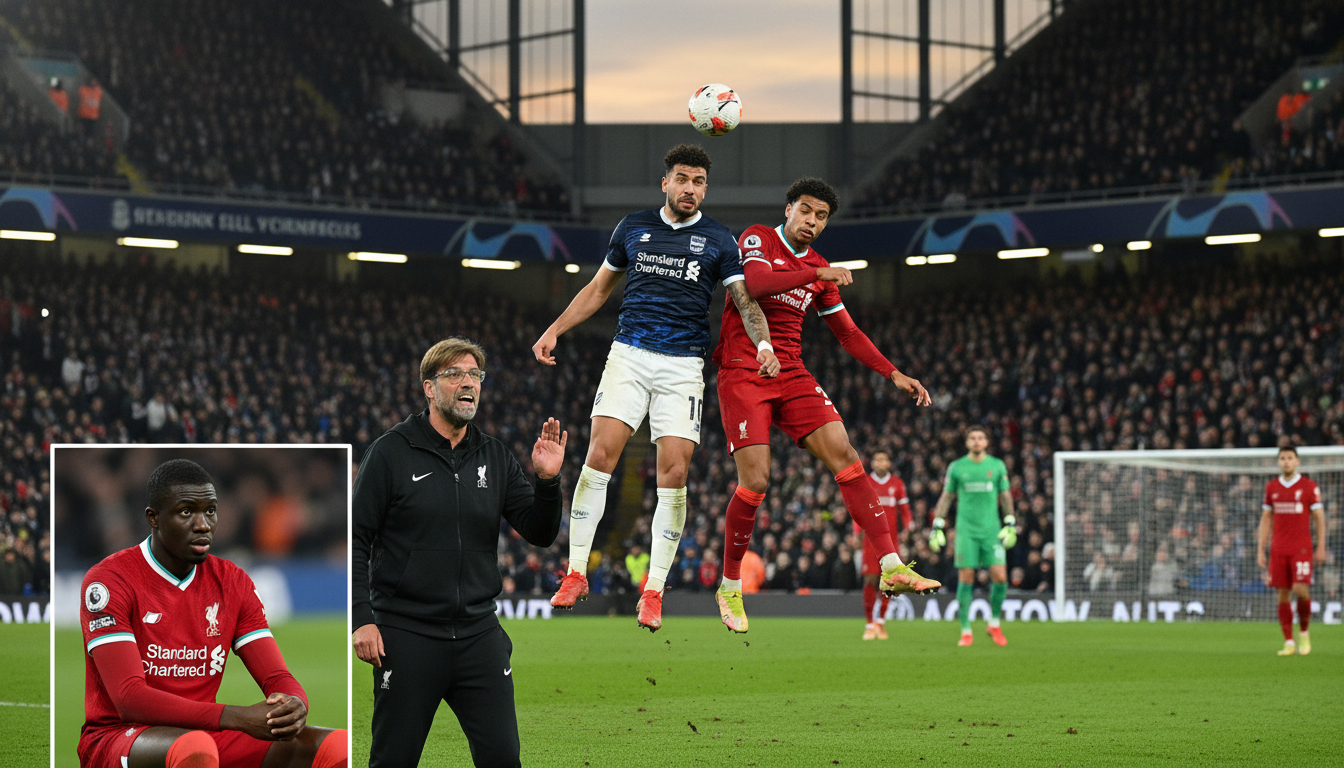
Gleison Bremer linked with Liverpool as Konaté exit prompts centre-back search
Liverpool target Gleison Bremer as Ibrahima Konaté contract talks stall, with the Brazilian defender reportedly top of the club’s shortlist this summer.


Liverpool have identified Gleison Bremer as a primary defensive target after deciding against extending Ibrahima Konaté’s contract, according to Italian reports naming the Juventus centre-back as a viable replacement. The move reflects Anfield’s desire for an experienced, physically imposing defender who can step into the first team immediately. Sources in Italy suggest Juventus would consider offers in the region of £35 million, opening a clear window for Liverpool to pursue the 29-year-old.
Club decision and context
Liverpool’s hierarchy has signalled a change at centre-back by opting not to prolong Ibrahima Konaté’s stay, leaving a vacancy in the squad that requires urgent attention. The club’s sporting director is understood to be evaluating senior options to partner Virgil van Dijk and provide the kind of physical presence Konaté offered during his time at Anfield. That strategy underpins reported interest in Gleison Bremer, whose combination of size, pace and ball-playing ability fits the profile Liverpool are seeking.
The decision not to renew Konaté’s deal shifts the club into a recruitment phase focused on players who can deliver immediately rather than purely long-term prospects. Transfer-market timing is crucial, with Liverpool needing clarity before the pre-season programme and with the wider planning of Arne Slot’s defensive unit in mind. The conversation around Bremer is therefore as much about readiness and fit as it is about cost and availability.
Player profile and recent form
Gleison Bremer stands out as a modern centre-back: physically imposing, strong in aerial duels and comfortable advancing play from deep positions. Reports note he has contributed goals and assists in recent campaigns while helping his side keep a notable tally of clean sheets, attributes that appeal to teams seeking defensive stability and occasional attacking returns. At 29, Bremer is widely regarded as entering the prime years for a centre-back, combining peak physicality with accumulated tactical experience.
Beyond basic metrics, Bremer’s game is marked by decisive tackling, recovery speed and the ability to step into midfield lines when required, traits that suit a press-oriented defensive structure. His reported contract at Juventus runs for several seasons, which gives his current club leverage but also means any buying club would secure a player with several years still under contract. Liverpool’s interest reflects a wider market view that established, multi-faceted defenders command both a transfer premium and strategic value.
Transfer parameters and Juventus’ stance
Italian outlets have suggested Juventus would entertain offers around £35 million for Bremer as they look to balance the books after missing out on Champions League qualification. That figure, if accurate, represents a manageable outlay for a Premier League club with the financial capacity to meet transfer demands and wage expectations for an established international. Juventus’ willingness to sell is reportedly linked to a broader summer reshuffle that prioritises liquidity and squad reconfiguration.
Bremer’s contractual length gives Juventus negotiating strength, but it also provides them an opportunity to convert an asset into funds at a time when their sporting targets have shifted. For Liverpool, the key will be handling the fee structure, any add-ons or sell-on clauses, and the player’s personal terms to reach a swift agreement. Negotiations could hinge on timing as much as price, with both clubs weighing transfer windows, pre-season schedules and the player’s own preferences.
Tactical fit under Arne Slot
Arne Slot’s defensive approach places a premium on defenders who can initiate play from the back and recover quickly when possession is lost, qualities that align with Gleison Bremer’s skill set. At Liverpool, Bremer would be expected to complement the ball-carrying and organizational strengths of established partners, offering both physicality at set pieces and composure in build-up phases. His ability to step into midfield space when required could provide Slot with additional tactical flexibility, allowing the team to shift formations during a match.
Slot’s emphasis on high-tempo transitions means any incoming centre-back must sustain concentration and mobility across 90 minutes, particularly in the Premier League’s fast-paced environment. Bremer’s reported speed and defensive instincts suggest he could adapt to those demands, although acclimatisation to English football’s intensity and continuity of defensive partnerships will be key. The coaching staff would likely focus on integrating him quickly so that he can become a reliable presence at the heart of the defence.
Competition and potential obstacles
Despite clear interest, Liverpool would not be the only suitor for Bremer; clubs across Europe frequently monitor established Juventus players when they become available. Competition for a defender of his profile could push transfer fees upward or complicate negotiations if Bremer entertains multiple offers. Additionally, adapting to the Premier League’s schedule, climate and media scrutiny is an important consideration for any player moving from Serie A.
Contract length and wage demands are additional hurdles that could shape the transfer timeline, while Juventus may prefer to keep their player if suitable replacements are not secured. Liverpool will need to balance urgency with prudence, ensuring any deal aligns with squad planning and salary structure. The club’s recruitment department must also weigh the short-term benefit of an experienced signing against the long-term development of younger centre-backs already at the club.
Liverpool’s internal options and youth pathway
Liverpool have invested in defensive prospects in recent windows, adding young centre-backs to the academy and first-team fringes, but the management recognises a gap in senior experience. Recent signings aimed at bolstering depth remain relatively inexperienced, prompting the club to search for a proven performer who can handle immediate pressure and guide younger teammates. Bringing in a player like Bremer would therefore be as much about leadership and mentorship as it is about on-field performance.
The club’s youth pathway remains a priority, and integrating academy graduates alongside a senior acquisition is the most likely scenario if Liverpool proceed with a signing. A mixed approach would provide competition for places, preserve long-term succession planning and give Arne Slot multiple selection options across competitions. Any permanent move for Bremer would have to coexist with the club’s development philosophy, ensuring long-term sustainability in defensive recruitment.
Next steps and timeline
Should Liverpool decide to pursue Gleison Bremer formally, the immediate next steps would involve opening talks with Juventus, clarifying fee structure and agreeing personal terms with the player’s representatives. Timing will be crucial, with clubs generally aiming to finalise core defensive business before pre-season training commences so that new players can be assessed and integrated. Medicals, work-permit formalities and logistical arrangements would follow once a basic agreement is reached.
A swift resolution would benefit all parties: Liverpool would secure defensive cover, Juventus would crystallise transfer income and Bremer would have time to prepare for a move and settle ahead of the campaign. Conversely, protracted negotiations or competing bids could prolong uncertainty and potentially derail a transfer before it is properly concluded. The summer window will therefore be a busy period for Liverpool’s recruitment team as they balance immediate needs with strategic planning.
Gleison Bremer’s reported availability offers Liverpool an opportunity to add a ready-made centre-back with the physical and technical traits to contribute immediately, but any move will depend on negotiations, competition and alignment with the club’s longer-term defensive strategy.