Michael Carrick Confirmed as Manchester United Permanent Manager After Interim Surge
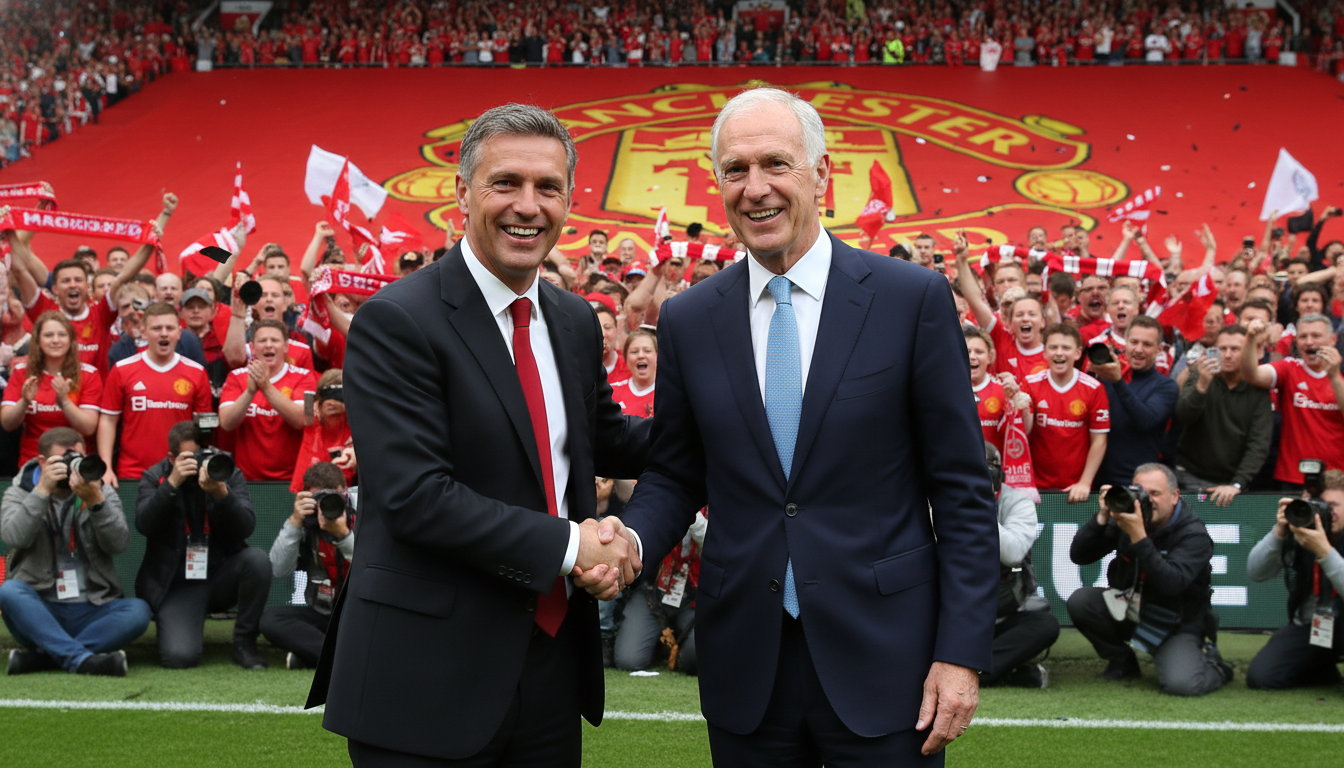
Michael Carrick has been confirmed as Manchester United’s permanent manager after an impressive interim run that secured Champions League qualification and earned board approval.


Immediate impact since January
Since taking charge in January, Michael Carrick has overseen a clear turnaround in Manchester United’s season and brought stability to a previously unsettled side. United won 10 of 15 Premier League matches under his stewardship, drawing three and losing two, a run that propelled them into the top three. That form ensured qualification for next season’s UEFA Champions League and strengthened the case for a long-term appointment at Old Trafford.
Carrick’s teams have shown greater defensive organisation and sharper transitions in attack, allowing United to grind out important results even when not at their most fluent. Players who struggled earlier in the campaign have produced improved performances, and the club’s points haul under Carrick proved decisive in the final table positions.
Agreement reached on permanent deal
Sources close to Manchester United report that the club has reached an agreement to offer Michael Carrick a permanent contract, with details still being finalised. The deal is expected to take one of two forms: a two-year contract with an option to extend for a third year, or a straight three-year term. Club officials are understood to be preparing formal paperwork so the new terms can be signed in the coming days.
The announcement follows weeks of internal discussions at Carrington, where technical staff and senior executives assessed the squad’s trajectory and the manager’s ability to lead a longer project. The offer reflects the board’s appetite to prioritise continuity after a promising late-season revival.
Boardroom backing and Sir Jim Ratcliffe’s approval
The plan to make Carrick permanent has received approval from the club’s senior ownership group and was cleared by Sir Jim Ratcliffe, who has taken a central role in shaping United’s sporting direction. Ratcliffe’s endorsement was pivotal, signalling that the ownership trusts Carrick to implement longer-term changes. That backing is expected to give Carrick the authority to shape his backroom team and transfer plans in the summer.
Ratcliffe and the board will now move from assessment to implementation, mapping out budgets, recruitment priorities, and performance benchmarks for the manager. While immediate stability is the priority, ownership is also keen to outline clear expectations for how Carrick will take the club forward.
Other managerial options considered
Manchester United reportedly examined alternative candidates before settling on Carrick, keeping tabs on coaches such as Oliver Glasner and Andoni Iraola, whose contracts elsewhere were nearing expiry. Glasner and Iraola were among several names discussed in internal meetings as the club explored both external and internal solutions. Ultimately, the board judged that Carrick’s work with the current squad and his familiarity with the club environment offered the best path to sustained progress.
That review process demonstrated the club’s desire to be thorough, weighing the benefits of bringing in an experienced external manager against the advantages of continuity. The decision to promote from within reflects a growing trend at top clubs to reward interim success when it comes with clear evidence of improvement.
Players’ response and tactical adjustments
Players reacted positively to Carrick’s methods, with a noticeably higher level of buy-in on tactical discipline and pressing triggers. Training emphasis shifted toward quicker defensive transitions and better coordination between the midfield and full-backs, changes that have produced more consistent defensive displays. Attackers were given clearer roles in both build-up and counter-attacking phases, which helped United secure fine margins in tight fixtures.
Carrick’s man-management has also been highlighted as a factor in the team’s revival, with several senior players reportedly embracing his calm approach and clear communication. Young players were given defined opportunities, and a balance between experience and youth allowed United to manage the demands of a congested fixture list.
Summer priorities and expectations
With a permanent appointment pending, Manchester United face immediate strategic decisions for the summer transfer window and backroom structure. Reinforcements will be needed in specific areas to raise squad depth and reduce the risk of burnout across competitions. The new manager will be expected to set out a recruitment plan that aligns with the club’s long-term vision and Ratcliffe’s strategic objectives.
Expectations will be measured but clear: improving league consistency, competing in domestic cup competitions, and advancing in European competition. The board will likely set performance targets tied to contracts and budgets, while also granting Carrick latitude to build a coaching team that reflects his preferred style.
Implications for United’s short-term future
Making Michael Carrick the permanent manager signals a desire for continuity rather than wholesale disruption at Old Trafford. The club believes that consolidating recent progress offers the best route back to sustained success. Carrick’s appointment is designed to stabilise the playing group and provide a coherent plan heading into pre-season.
That approach does not mean United will stand still in the market; instead, the club appears intent on combining Carrick’s internal knowledge with targeted investment to strengthen weak points. How quickly those plans translate into measurable improvement will determine whether the decision is judged successful.
Manchester United now prepare for a final Premier League fixture at Old Trafford, where they will host Nottingham Forest as they round off the season. The match presents an opportunity to build momentum ahead of summer work on recruitment and staff structure.
The club and Michael Carrick will move quickly to finalise contractual paperwork and map out the coming campaign, as expectations among supporters and stakeholders rise in line with the team’s late-season surge.