Michael Olise transfer quelled as Bayern and Real Madrid invoke presidential pact
Bayern and Real Madrid defused the Michael Olise transfer saga as club presidents agreed to notify each other before targeting the other’s players this summer.


Michael Olise transfer speculation that linked the Bayern Munich winger with Real Madrid was publicly quelled after private talks between the clubs’ presidents produced a clear agreement to prevent escalation. Bayern and Real Madrid officials say the matter has been resolved through direct communication that halted media-fuelled bidding talk. The intervention reinforced a long-standing understanding between the two clubs and left Bayern in firm control of Olise’s future. For now, transfer noise has subsided and both sides appear determined to keep negotiations professional and discreet.
Bayern and Real Madrid invoke presidential pact to curb disputes
Behind the scenes, the two clubs relied on a years-old informal understanding between their presidents to stop the Michael Olise transfer rumours from spiralling into a public dispute. Under that arrangement, each club agrees to alert the other before actively pursuing the other’s players, a protocol meant to avoid bidding wars and hostile media cycles. Club sources describe the pact as pragmatic: it preserves working relations and protects high-value players from becoming leverage in headline-driven contests. The approach has become an accepted precaution among elite European clubs that regularly trade in marquee talent.
Comments from Real Madrid heightened tensions before talks
The situation flared after remarks from Real Madrid’s leadership suggesting the club could sanction an exceptionally large transfer outlay this summer, a comment that unsettled Bayern’s hierarchy. Those public remarks prompted an airing of concerns in Munich, with Bayern leadership signaling displeasure at the tone of the coverage. The combination of a high-profile target and broad spending hints created the type of situation the presidential agreement is designed to prevent. Officials on both sides subsequently agreed that such matters should be handled away from the headlines.
Private discussions between Hainer and Pérez defused the issue
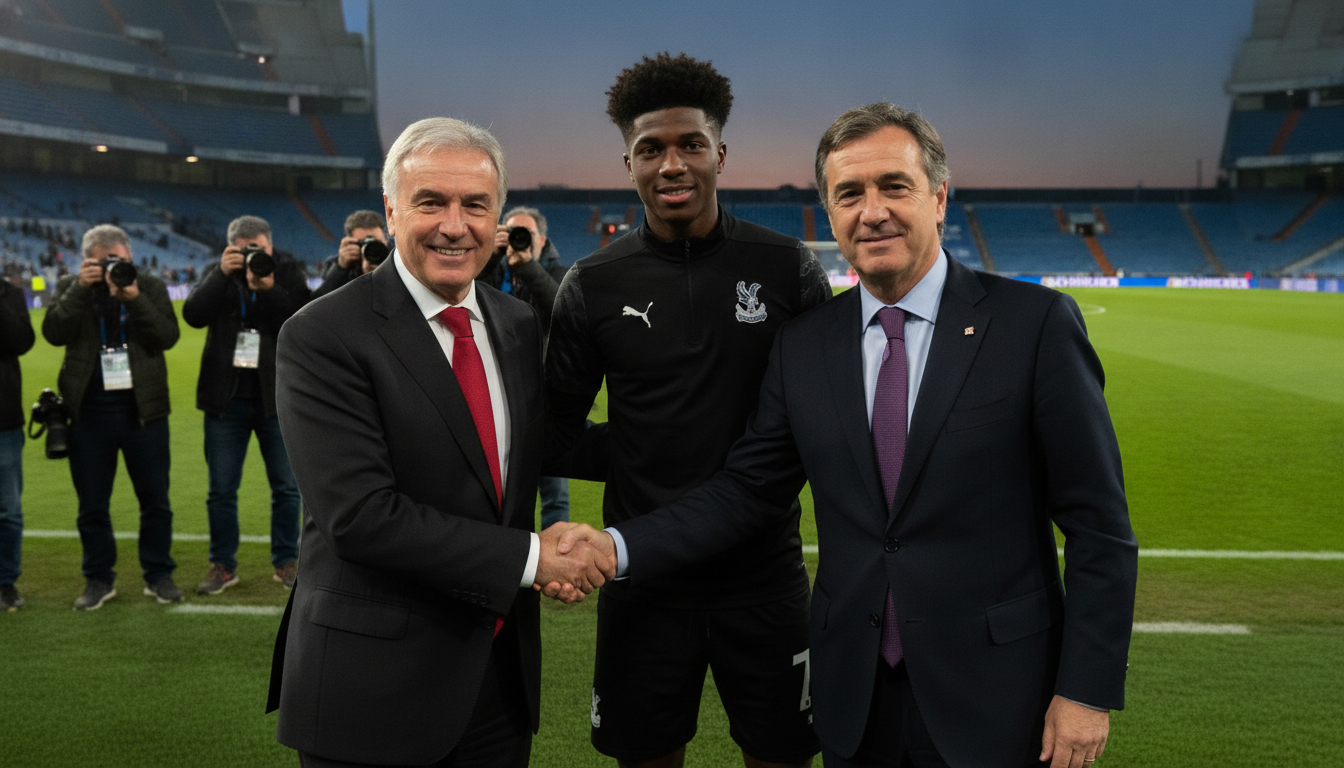
Bayern president Herbert Hainer and Real Madrid president Florentino Pérez moved quickly to contain the story with a sequence of private conversations, according to club insiders. Meeting away from cameras, they clarified intentions and reaffirmed mutual respect, which both sides say removed any immediate risk of a transfer standoff. The talks reportedly included detailed assurances that neither club would initiate a pursuit without first informing the other, a step that restored calm. Sources emphasize that direct presidential contact remains one of the quickest ways to deescalate sensitive transfer talk among Europe’s top clubs.
Contract terms give Bayern decisive control over Olise’s future
Sporting considerations aside, Bayern remain in a commanding position contractually when it comes to Michael Olise’s immediate future. The French international is under contract at Bayern until 2029 and, crucially, his agreement contains no release clause that would compel a sale at a fixed price. That legal arrangement gives Bayern the discretion to set the terms of any potential negotiation or to reject approaches outright. Given those protections, Munich’s leadership are able to prioritize athletic plans and squad stability over reactive transfer responses.
Olise’s role in Bayern’s plans and squad continuity
On the pitch, Michael Olise has quickly become a key part of Bayern’s attacking rotation, and club sporting directors view him as central to the team’s short- and medium-term objectives. His profile as a versatile wide attacker fits Bayern’s tactical blueprint, which compounds the incentive to keep him amid a competitive Champions League and Bundesliga agenda. Coaches and recruitment staff are reported to favor continuity as they prepare for the coming season, viewing Olise as a piece around which attacking systems can be structured. That internal alignment reduces the likelihood Munich will entertain offers that fail to match their valuation and sporting priorities.
Broader implications for the summer transfer market among elite clubs
The rapid resolution of the Olise episode may serve as a model for other clubs seeking to avoid headline-driven bidding wars this summer. By formalizing channels of communication between presidents and senior executives, elite teams can reduce speculative frenzy and better manage player valuation and media narratives. Agents, sporting directors, and clubs may now face increased pressure to conduct sensitive business privately to preserve relationships and market stability. Observers say the approach could temper inflated offers and produce more orderly negotiations, though it does raise questions about how broader competition and player choice will be balanced.
The outcome of these talks leaves Bayern Munich firmly in charge of any decision about Michael Olise, while underscoring the influence that direct presidential diplomacy still holds in modern transfer dealings. With Hainer and Pérez having settled the matter privately, the clubs have signalled that landmark transfers between the two sides will be approached with restraint and prior notice. That stance is likely to shape how both institutions manage future interest in high-profile players and could reduce the combustible public disputes that have marked past transfer windows.